How to Build a Home Coffee Setup (and What to Buy First)
Buy in this order: fresh whole beans, a burr grinder, a way to weigh coffee and water, then the brewer. A modest brewer with a good grinder and fresh coffee beats an expensive machine fed stale pre-ground coffee. Choose the brew method by how you actually drink — a manual brewer for single cups, a drip machine for a pot, an espresso machine and matching grinder only if milk drinks are a daily habit.
Key takeaways
- The grinder outranks the machine. Uneven particles over- and under-extract in the same cup, and no brewer corrects that afterward.
- Fresh beans are the cheapest upgrade. Whole beans hold up roughly one to three weeks at room temperature; ground coffee fades faster still.
- Ratio is the strength dial. Weigh coffee and water, pick a ratio, and change one thing at a time.
- Buy for the drink you actually make. Espresso is the least forgiving and most grinder-hungry path; single cups and pots are far cheaper to do well.
Most people build a home coffee setup in the wrong order. The machine gets bought first because it is the visible object, the thing that looks like coffee. Then the beans come from whatever was on the shelf, the grind comes pre-ground in a bag, and the result tastes like a worse version of the cafe cup that started the whole idea.
The order that works is close to the reverse. Fix what the water actually touches — the coffee, the grind, and the ratio — and a modest brewer produces a good cup. Get those wrong and an expensive machine faithfully reproduces the problem.
What changes the cup, in order
Each item matters less than the one above it. That ranking is what should decide where the money goes when the budget runs out, and it always runs out.
- Fresh coffee. The National Coffee Association puts whole beans at roughly one to three weeks of good drinking at room temperature, ground coffee at one to two. A roast date beats a best-by date. Cheapest upgrade available, and the one most setups skip.
- A burr grinder. A blade chops unevenly, making dust and boulders in one batch — the dust over-extracts into bitterness while the boulders under-extract into sourness, in the same cup. That is the whole difference between blade and burr grinding, and why the grinder guide comes before any machine page.
- Ratio, measured. Coffee-to-water decides strength, and most home brewers guess it. The NCA puts French press between 1:10 and 1:16. Pick a number, brew it twice, then move it — the brew ratio calculator does the arithmetic.
- Water. Brewed coffee is almost entirely water. Heavily chlorinated or very hard tap water shows up in the cup regardless of everything above.
- The brewer. Genuinely last. Its job is to hold hot water against ground coffee for a while, and a $30 device does that competently.
The one-sentence version: spend down this list, not up it. Every dollar moved from the brewer to the grinder buys more flavor than the reverse.
Three realistic budget tiers
These are allocations, not shopping lists. Adjust the totals to your own numbers; keep the proportions.
| Total budget | Grinder | Brewer | Beans & extras | What you get |
|---|---|---|---|---|
| Around $100 | $50–70 | $20–35 | Fresh bag, kitchen scale you may already own | A genuinely good cup of filter coffee. Manual grinding, manual brewing. |
| Around $300 | $120–180 | $60–120 | Kettle, scale, better beans | The same cup with less effort and more consistency. |
| $600 and up | $250–400 | $250–500 | Storage, water treatment, accessories | Espresso becomes realistic — at the top of this tier, grinder still taking the larger share. |
The uncomfortable part is the espresso row. Espresso is the least forgiving thing you can do at home and the most grinder-dependent: the gap between a good shot and undrinkable water is a few microns of grind. A $400 machine with a $60 grinder will disappoint; reverse those numbers and it usually will not. Run the espresso budget planner before falling in love with a machine.
Pick the brew method by how you actually drink coffee
Start from your actual morning, not from the method you admire:
| How you drink coffee | Buy this | Real trade-off |
|---|---|---|
| One cup, alone | Manual pour-over or press | Best value; needs 3–4 attentive minutes |
| A pot, for a household | Drip machine | Effortless at 6am; less control |
| Milk drinks, daily | Espresso machine + capable grinder | It is a hobby, not a purchase |
| Milk drinks, occasionally | Moka pot or concentrate + frother | 80% of the result, 20% of the cost |
| Iced, most of the year | Cold brew vessel | Forgiving of a cheap grinder |
| Convenience above all | Pod machine | Higher cost per cup, older coffee |
One cup, mostly alone
A manual brewer — pour-over cone, immersion press, or AeroPress-style device. Very cheap, nothing to fail, full control. The trade-off is that you are the machine: three or four attentive minutes, every time. Highest quality-per-dollar path in home coffee, and the one most likely to be abandoned on a bad morning.
A pot, for a household
A drip coffee maker that gets water hot enough and holds it against the grounds long enough. Cheap machines fail on both counts, so look for certification against a published brewing standard rather than more buttons. A good drip machine plus a burr grinder is genuinely underrated: unglamorous, and excellent at 6am without any decisions.
Milk drinks
The expensive answer, so be sure it is what you want. Daily milk drinks plus enjoyment of the ritual means a semi-automatic espresso machine and an espresso-capable grinder — a hobby as much as a purchase.
Want the drinks but not the hobby? A moka pot or strong concentrate plus a standalone frother gets most of the way to a cafe latte, and a super-automatic makes the whole thing at one button press. Both are legitimate, neither needs apologising for.
Iced coffee, most of the year
Buy for it first if it is what you actually drink. Cold brew needs almost no equipment and is more forgiving of a mediocre grinder than any hot method, because the long steep flattens the unevenness. Start with our cold brew concentrate guide.
Pods, if convenience is the actual priority
Pod machines get dismissed too quickly. If the alternative to a pod machine is not brewing at all, or buying two cafe drinks a day, the pod machine wins. The honest case against them is cost per cup and coffee sealed months ago. Run your own numbers with the pod vs whole bean cost calculator: for a one-cup-a-day drinker convenience can reasonably win; for a household of three it usually does not.
Upgrades worth it later, and things to skip
Genuinely worth buying, in this order:
- A scale. Cheapest real improvement after the grinder — the same scoop is a different dose every time. See whether you need a coffee scale.
- A gooseneck kettle, but only for pour-over. For press, drip, or immersion it changes almost nothing — read gooseneck versus regular kettles first.
- Better water. If your tap water tastes of chlorine in a glass, it tastes of chlorine in coffee — a filter pitcher or tap filter is the cheap fix.
- Airtight, opaque storage. Out of the retail bag, in a cool dark place. Our storage picks cover the seals that work.
- A better grinder, eventually. Not a second brewer.
Skip, at least for now:
- Pre-ground coffee, unless you have no grinder — in which case buy the grinder before the next bag.
- A second brewer, until the first tastes consistently good. Method-collecting avoids the grinder problem.
- Home roasting at the start. Two crafts at once, and no way to tell which is failing.
- Rare single origins before your grinder can express them. A good grinder makes an ordinary bag taste good; a good bag cannot fix an uneven grind.
Where to start today
With nothing: a hand grinder with real burrs, a simple manual brewer, and a fresh bag with a roast date. Weigh on the kitchen scale you already own. Under $100, and it will beat most office espresso machines.
If you change one thing this month: put the grinder money in before the brewer money. It is the least exciting advice in home coffee and the only one that survives contact with every method above.
With a machine you already like: do not replace it. Add a burr grinder, buy fresher beans, and hold one ratio steady for a week. Most "my coffee is disappointing" problems are solved in that sentence — and beans, since espresso-friendly roasts run differently from filter roasts, are the last variable to change, not the first.
Your next step
Build the setup — start with these two.
Starter picks for the tiers above
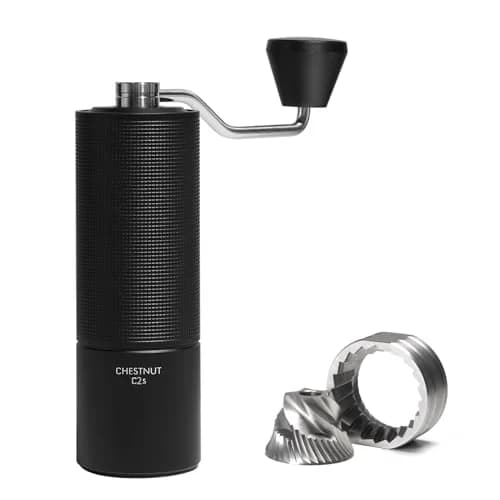
Chestnut C2S
The budget hero — steel burrs and a clean filter grind for the price of a few bags of beans.
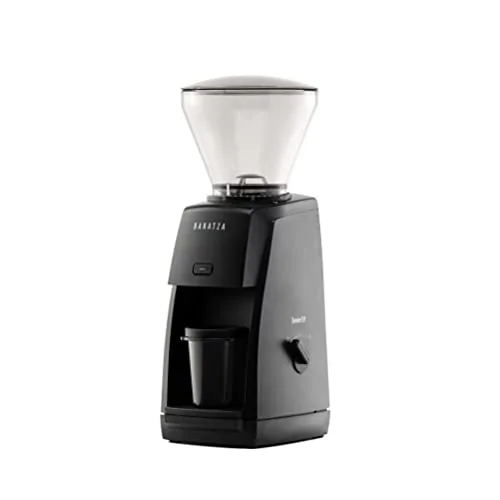
Encore ESP
The grinder most people should buy first — it does espresso and filter, and Baratza will fix it forever.
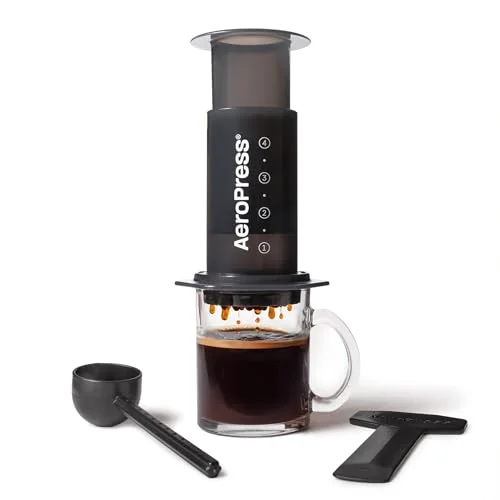
AeroPress Original
The most forgiving, most fun way to make a great single cup — and it's nearly indestructible.
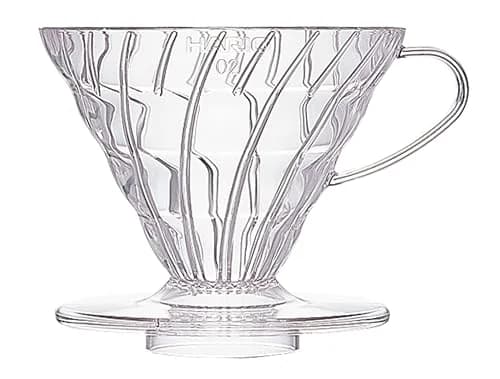
V60 Pour-Over Coffee Dripper 02
The iconic pour-over cone — a clean, bright, articulate cup if you bring a gooseneck and a little technique.
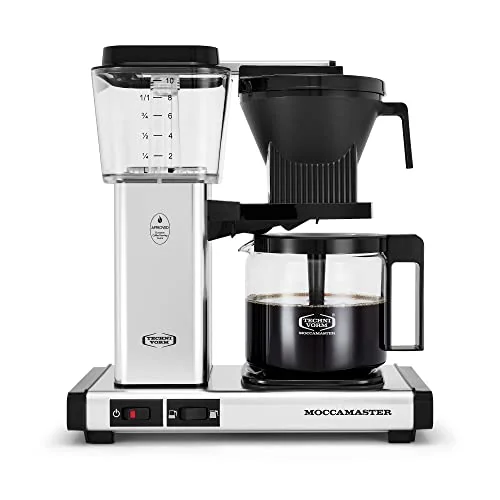
Moccamaster KBGV Select
The icon: SCA-certified brewing, a copper heating element, and a machine you'll keep for a decade.
BrewSift earns a commission on qualifying purchases made through these links, at no extra cost to you. Prices shown were checked on publication and change often.
FAQ
What should I buy first for a home coffee setup?
Fresh whole beans and a burr grinder, before any brewer upgrade. Grind evenness decides how uniformly water extracts the coffee, and freshness decides how much flavor is left to extract. A simple manual brewer paired with those two beats an expensive machine fed stale pre-ground coffee.
How much should I spend on a grinder versus the coffee maker?
As a rough rule, at least as much on the grinder as the brewer, and more than that if you want espresso. Espresso needs very small, repeatable grind adjustments, so a modest machine with a capable grinder generally outperforms an expensive machine with a cheap one.
Do I need a scale and a gooseneck kettle to start?
A scale is worth adding early because it makes a good cup repeatable — scoops measure volume, which varies with grind and roast. A gooseneck kettle matters mainly for pour-over, where pour placement and rate affect evenness. For drip, French press, or immersion brewing, a regular kettle is fine.
Are pod machines a bad choice?
Not inherently. Pods trade cup quality and cost per cup for convenience and zero cleanup. If the realistic alternative is buying cafe drinks or not brewing at all, a pod machine can be the right call. Compare the cost over a year for your actual consumption before deciding.
Sources
- Storage and shelf life — coffee loses freshness soon after roasting; store in airtight, opaque containers in a cool dark place and grind just before brewing (National Coffee Association)
- French press coffee — published coffee-to-water ratio range of 1:10 to 1:16 and coarse grind guidance (National Coffee Association)