Brew Journal
Research-backed guides and explainers — one real question answered per post, with the same no-sponsored-winners standard as our scores.
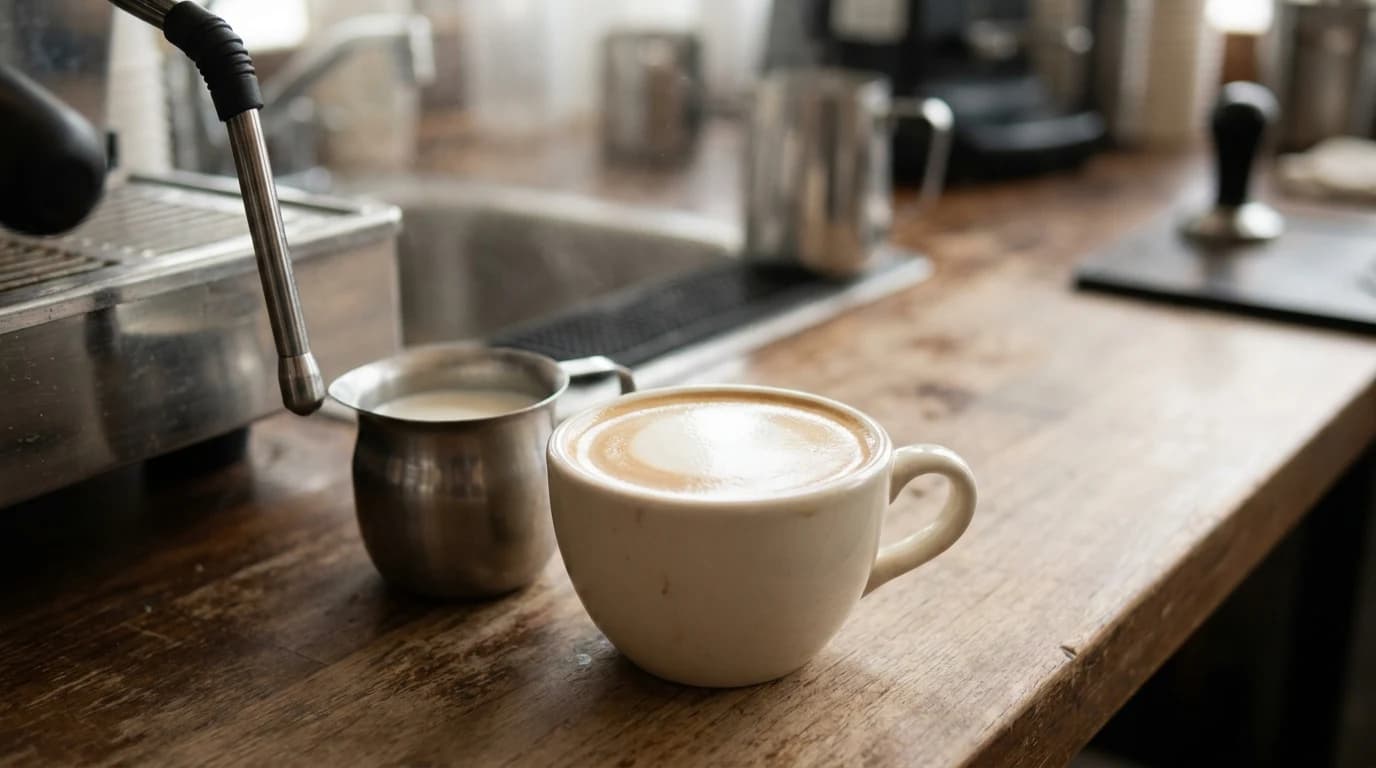
What Is a Breve? The Half-and-Half Latte, Explained
The espresso can stay the same; the dairy makes the difference. Here is what half-and-half legally contains, how its USDA numbers compare with milk, and why cup size alone cannot tell you a breve's calories.
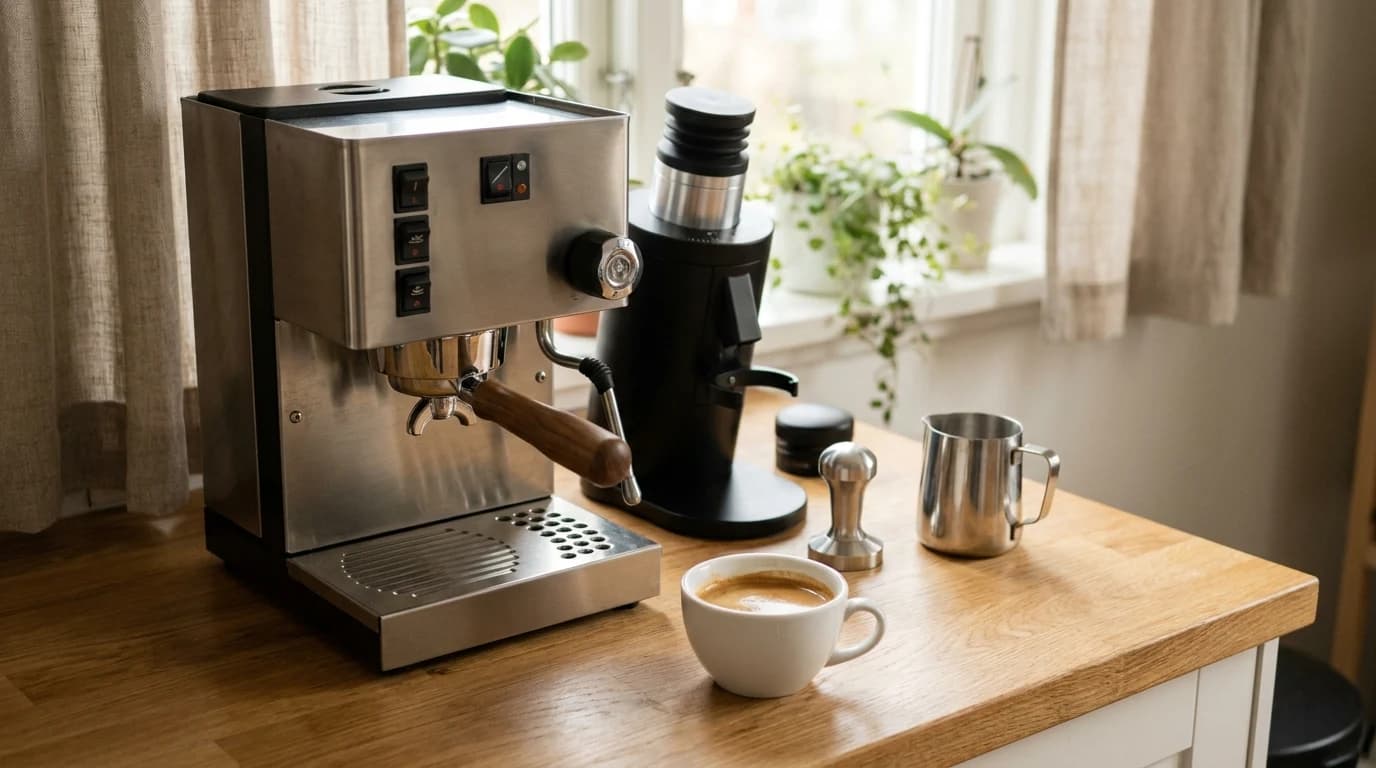
Best Espresso Machine Under $500: Price the Whole Setup
A $250 machine with a $200 grinder and a $500 machine with the grinder built in are different purchases. Here are five setups under $500 priced in full, plus what pressurized baskets and a 54 mm portafilter mean for you.
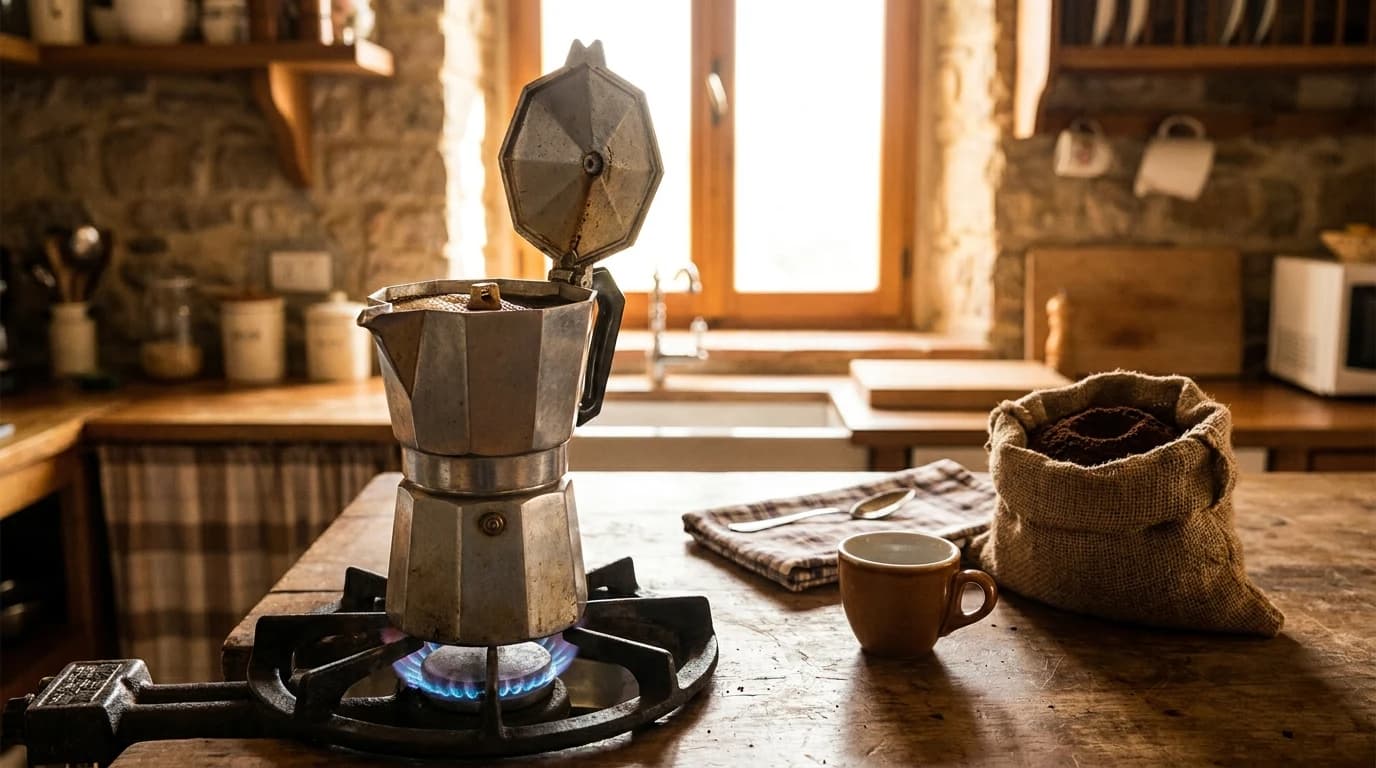
How to Use a Moka Pot: Bialetti's Method, Step by Step
Most disappointing first pots come from three habits: water above the valve, coffee pressed into the funnel and a flame that is too high. Here is Bialetti's own method, step by step, with induction and cleaning notes for aluminium and stainless pots.
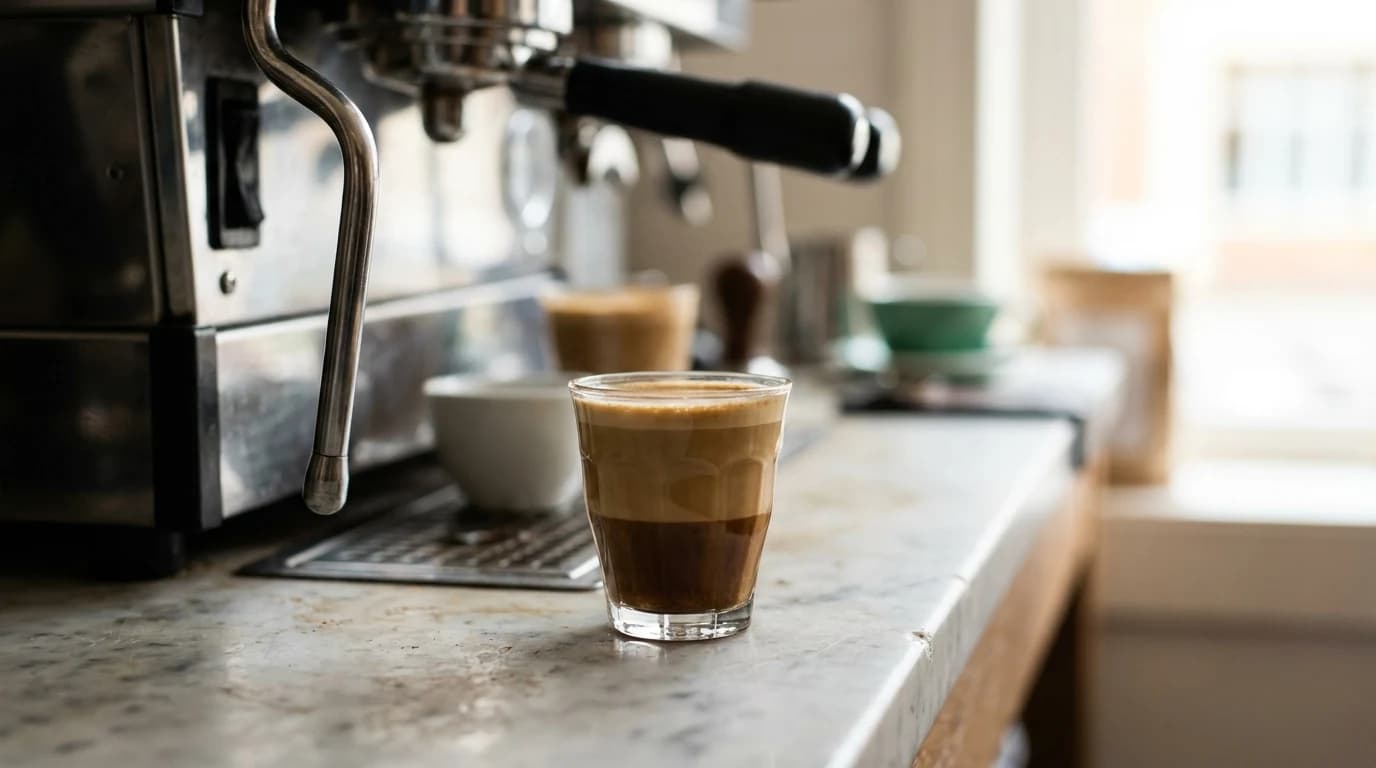
What Is a Cortado? Ratio, Size and How to Make One
A cortado is espresso cut with roughly equal warm milk, served small. Here is the ratio beside four similar drinks, why Starbucks' version is bigger, and how to make one at home.
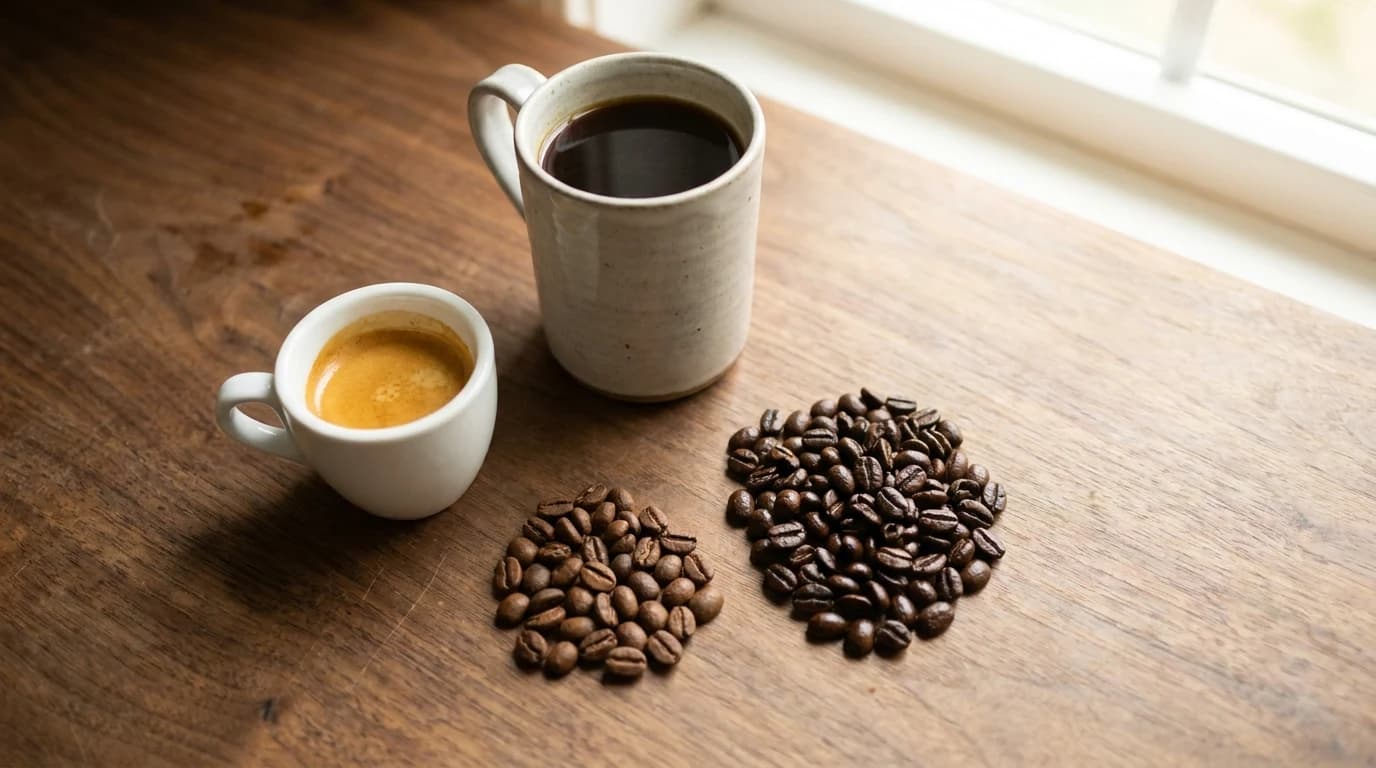
Espresso Beans vs Coffee Beans: What Is Actually Different
There is no espresso plant. The label is a roaster's recommendation about roast and blend, and our own bean catalog shows what that recommendation looks like on real bags.
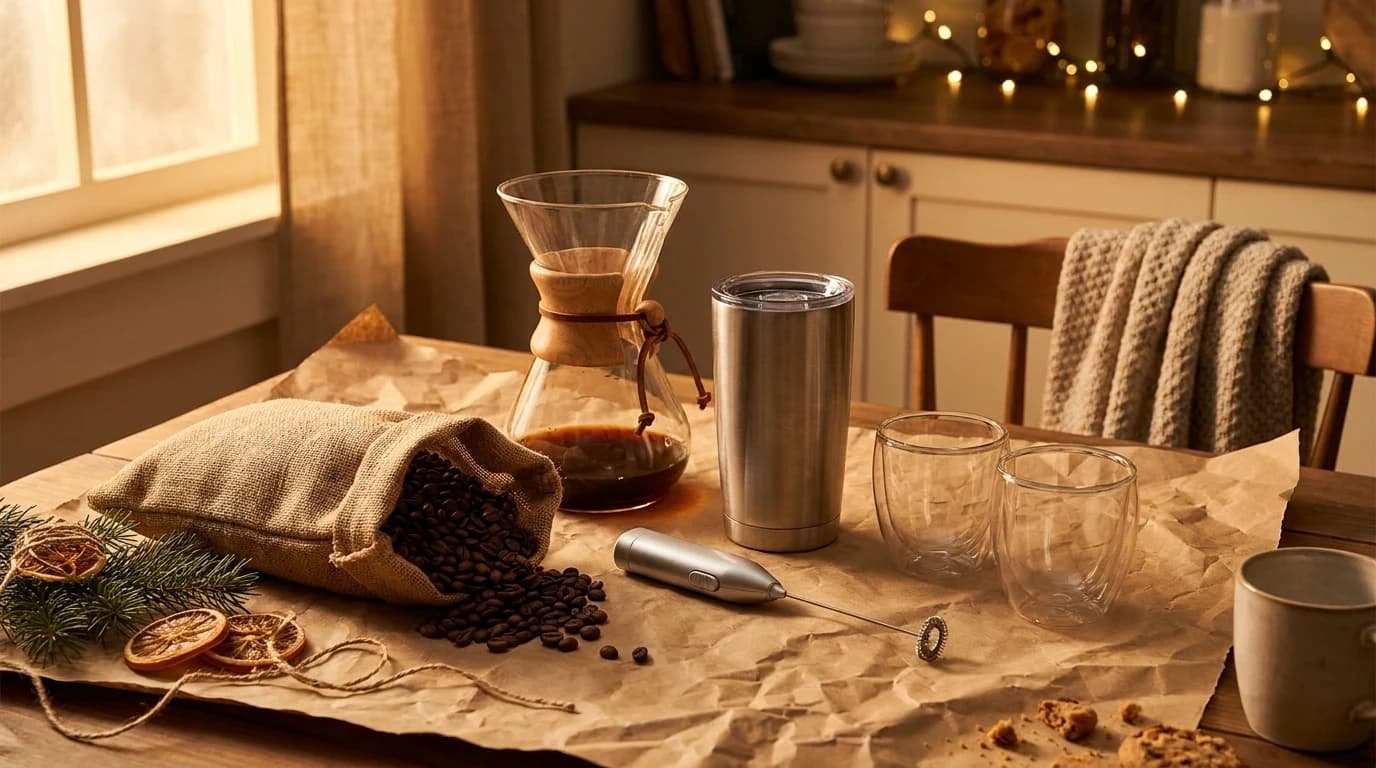
Gifts for Coffee Lovers: Pick by How They Brew
The best coffee gift fits the setup they already own. Find out how they brew, then pick from five short lists: espresso, pods, pour-over, on the go and stocking stuffers.
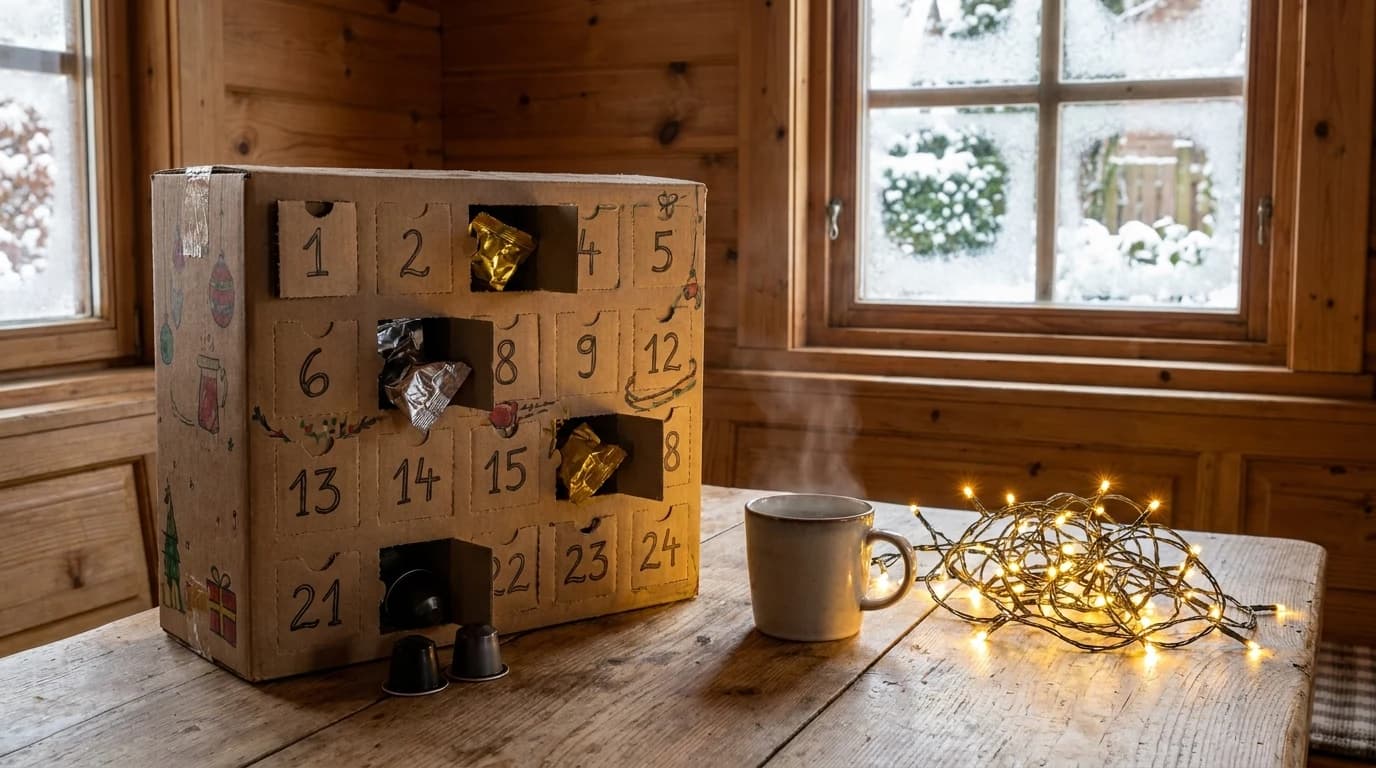
Coffee Advent Calendars: 4 on Amazon, and What You Pay for the Countdown
A coffee advent calendar is a variety box with a countdown attached. Here are the four we found live on Amazon, what each costs per cup against an everyday box, and how to match one to the machine.
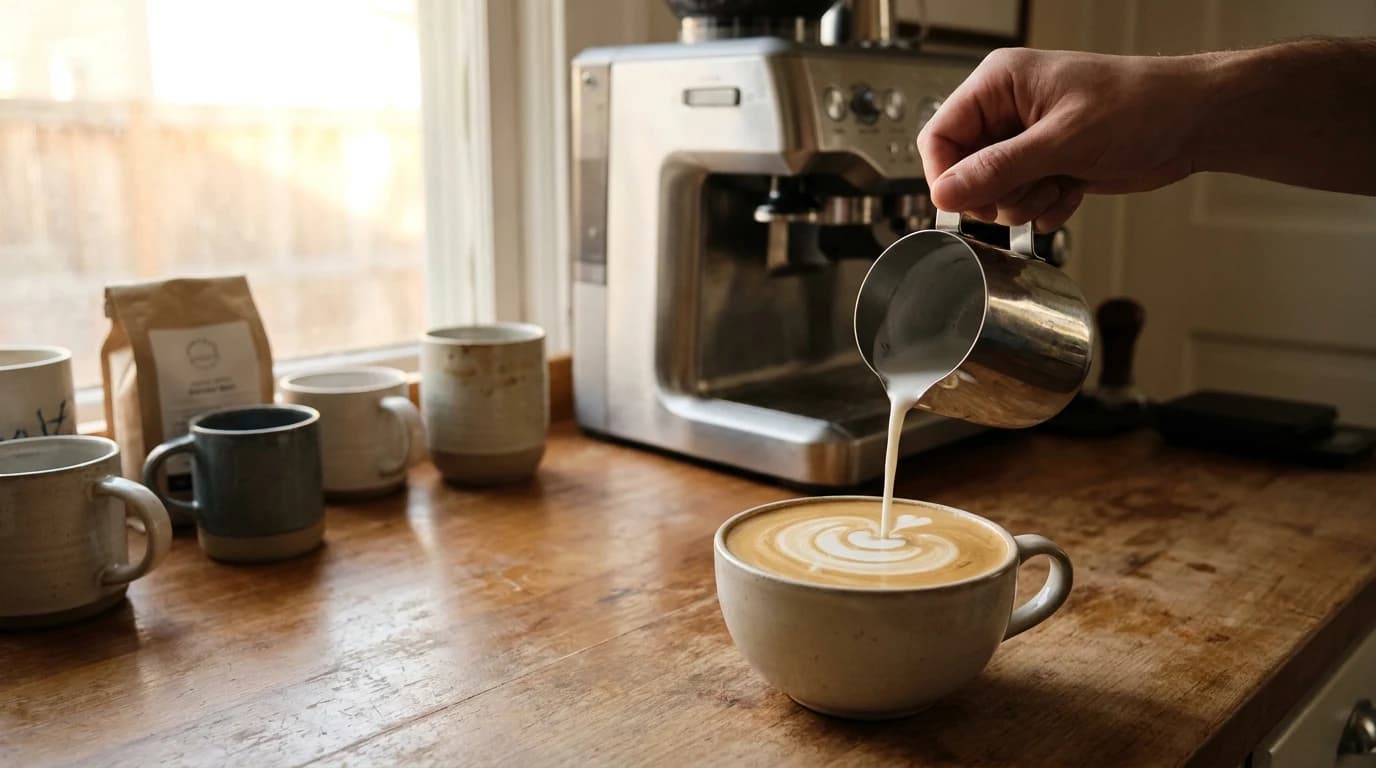
How to Make a Latte at Home, With or Without a Machine
A latte is two separate jobs: a coffee base strong enough to survive a cup of milk, and milk heated and aerated without scalding it. Here is how each home method handles both, and where to stop the thermometer.
How Long Caffeine Actually Lasts (And When to Stop Drinking Coffee)
The feeling wears off long before the caffeine does. NIOSH gives a typical half-life of five to six hours, which is why an afternoon cup can still be in play at bedtime — and why the size of the dose matters as much as the hour you drank it.
How to Use a French Press: The Ratio, the Grind and the 4-Minute Myth
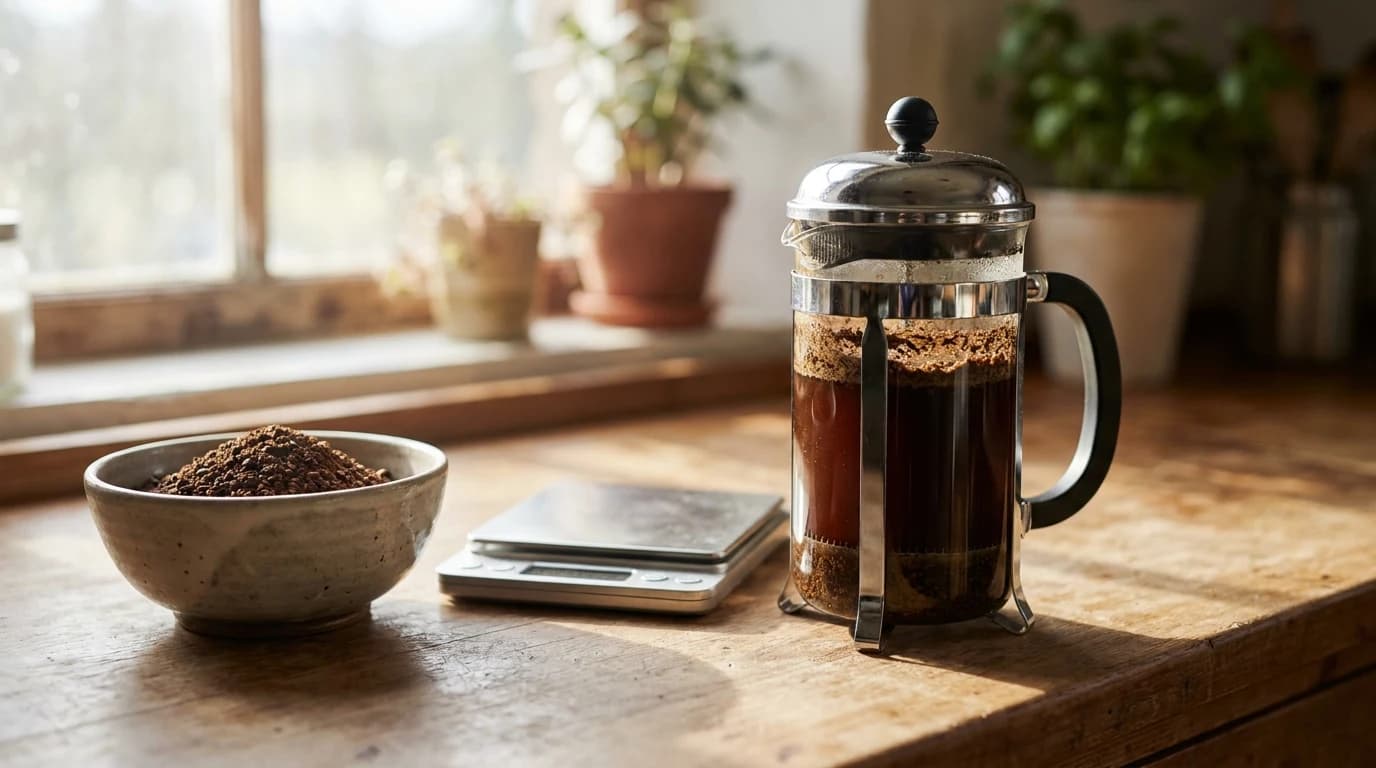
The cup number on a French press is a European cup of about 4 oz, which is why so many recipes feel off. Here is the ratio by press size in grams, the method step by step, and the 15-minute alternative to the four-minute rule.
Vacuum Sealing Coffee Beans: Sealer, Canister, or Freezer
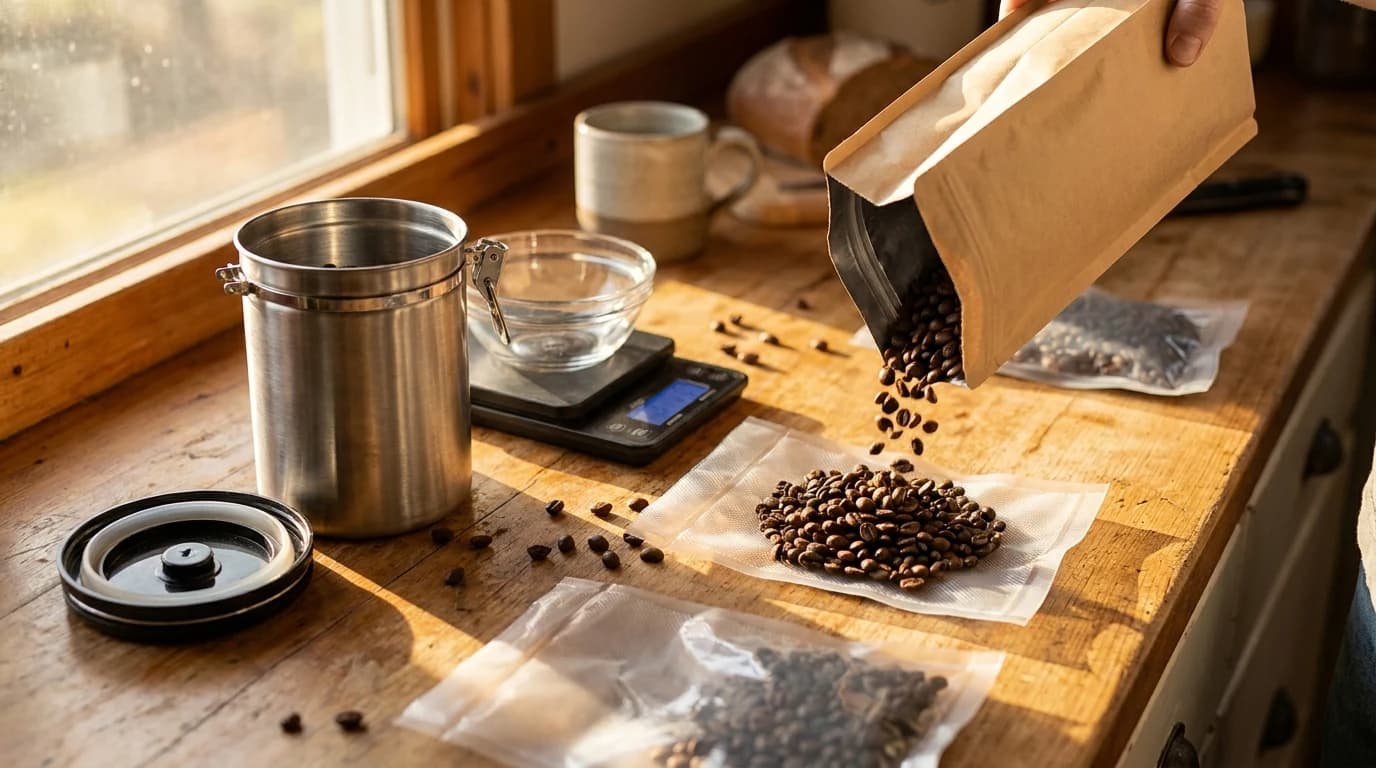
A hard vacuum on days-old beans strips the protective gas the coffee just made and strains the seal. Here is the order of operations, and which of the three tools your coffee habit actually needs.
Nespresso Vertuo vs Original: Which Cup Do You Want?
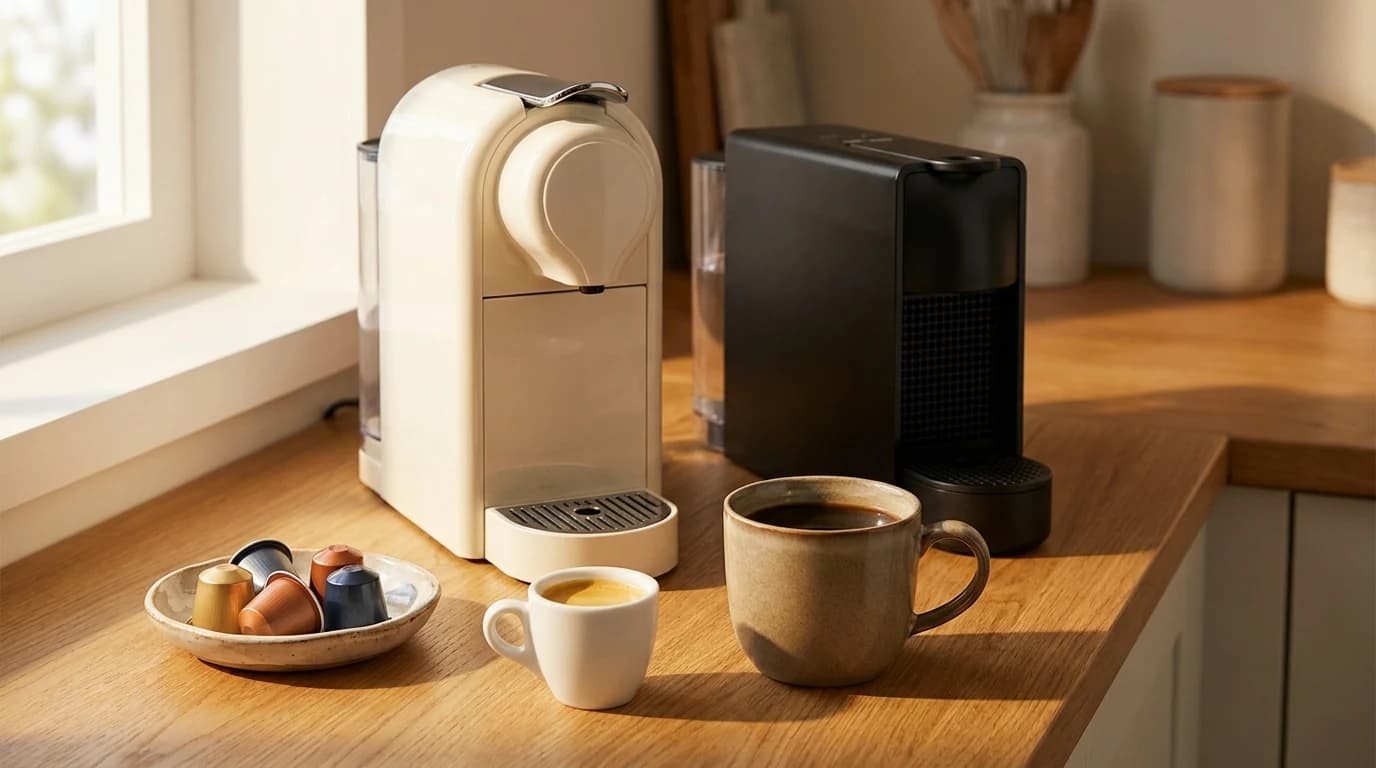
The two Nespresso lines are not two flavours of one machine. One extracts at 19 bar and stops at a lungo, the other reads the capsule and fills a mug. Here is what each can actually make.
The Strongest K-Cup Coffee: Caffeine or Bold Taste?
A K-Cup holds only so much coffee, so no pod can be limitlessly strong. Here is what strong really means, which pods suit which answer, and the brewing levers that move the cup.
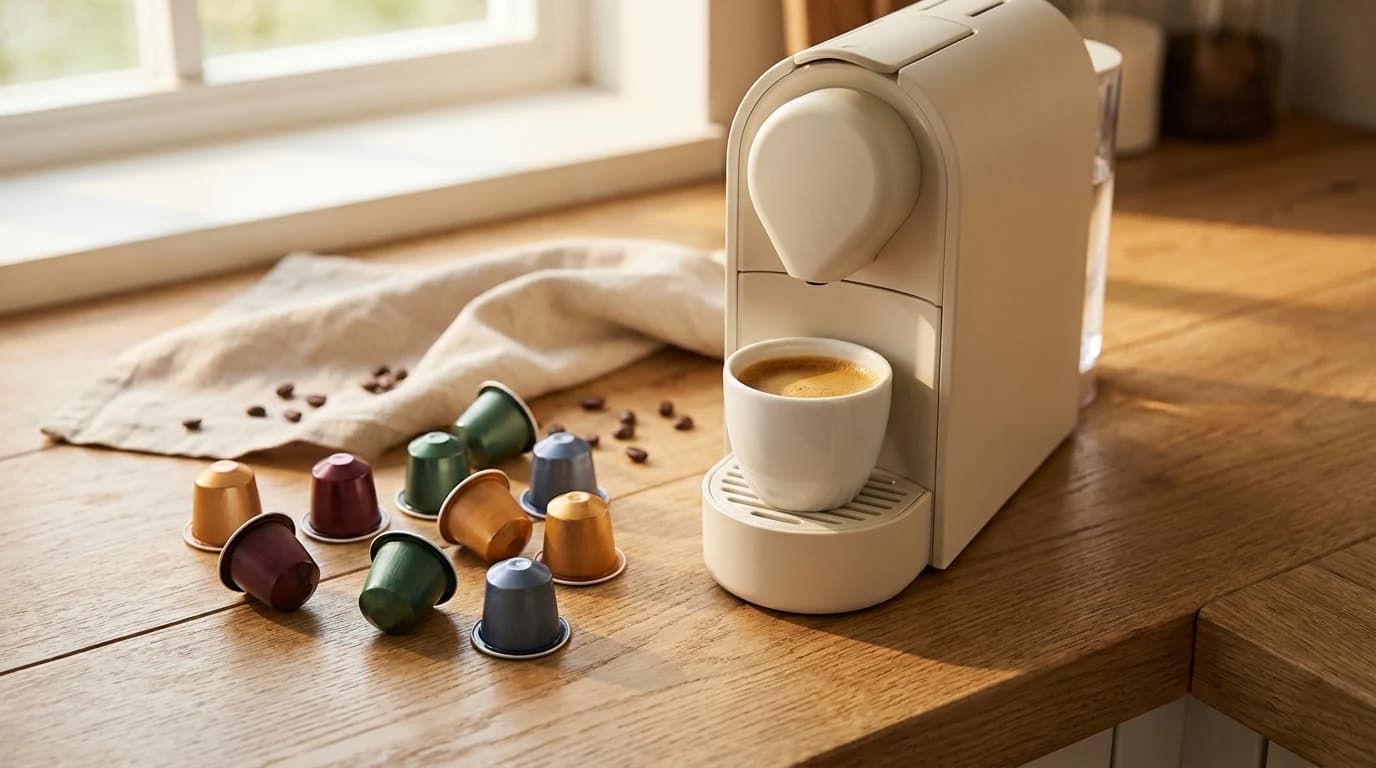
Best Capsule Coffee Machines 2026: Nespresso vs Keurig, Ranked
Every capsule machine here is competent, which is why the machine is the least interesting part of the decision. What you are really choosing is a capsule system — and on our own tracked boxes, the three systems price into two tiers that never overlap.
Best Descaling Solution for a Keurig (and Is Vinegar OK?)
A Keurig that dribbles or runs cool is scaled, not broken. Here is which descaling solution to buy, why vinegar is a thin saving, and how often to run the cycle.
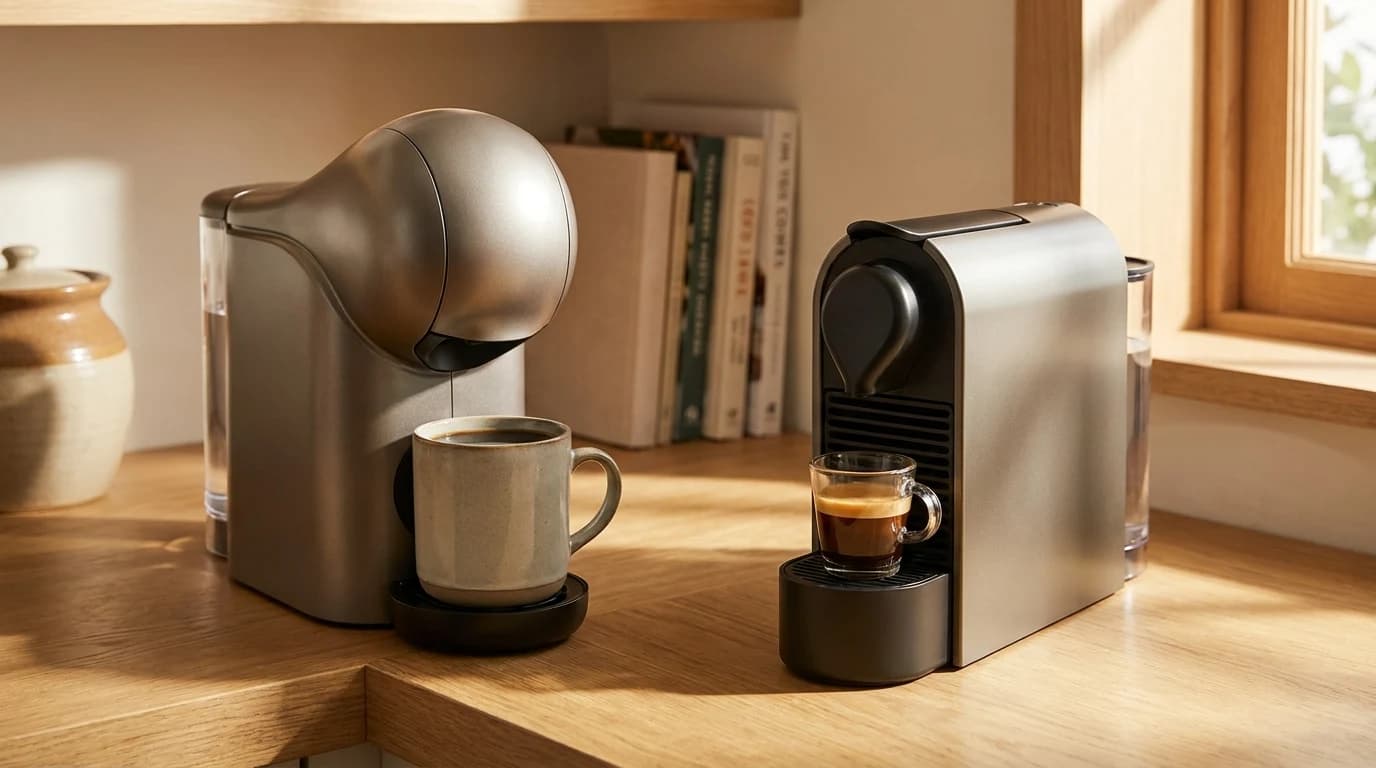
Keurig vs Nespresso: They Don't Make the Same Drink
These two get compared as rival appliances, but they make different drinks — a mug of drip-style coffee versus a small pressure-brewed shot. Decide the drink first, then price the pods, because that is where the two systems genuinely diverge.
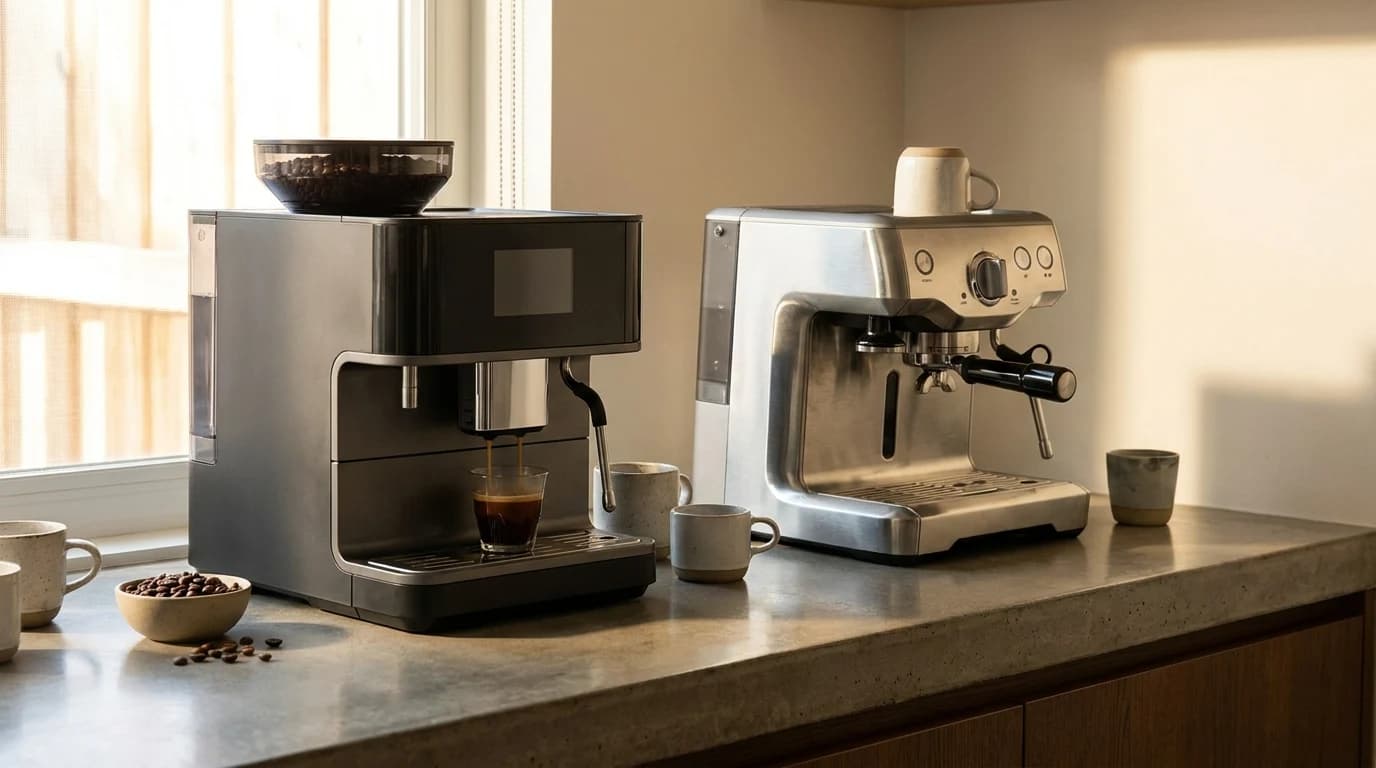
Super-Automatic vs Semi-Automatic Espresso: Which Actually Fits Your Mornings
The wrong question is which type makes better espresso. The right question is what your household will actually do every morning — dial in a grinder, or rinse a milk carafe. Here's the honest split, chore list included.
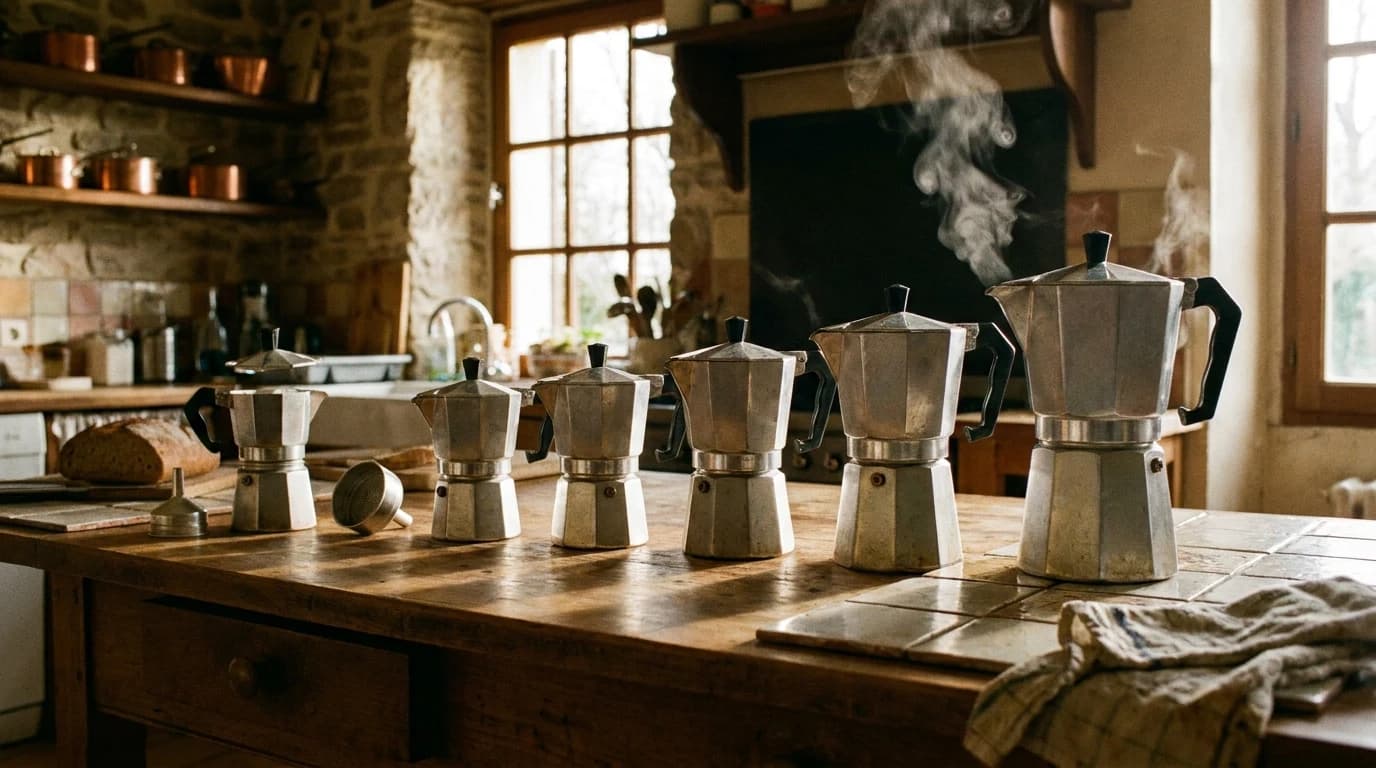
Moka Pot Sizes: Which to Buy, and Why You Can't Brew Half a Pot
A 6-cup moka pot does not make six cups of coffee, a Venus 6-cup makes less than a Moka Express 6-cup, and you can't just half-fill a big one. Here are the manufacturer's own numbers that make sizing simple.
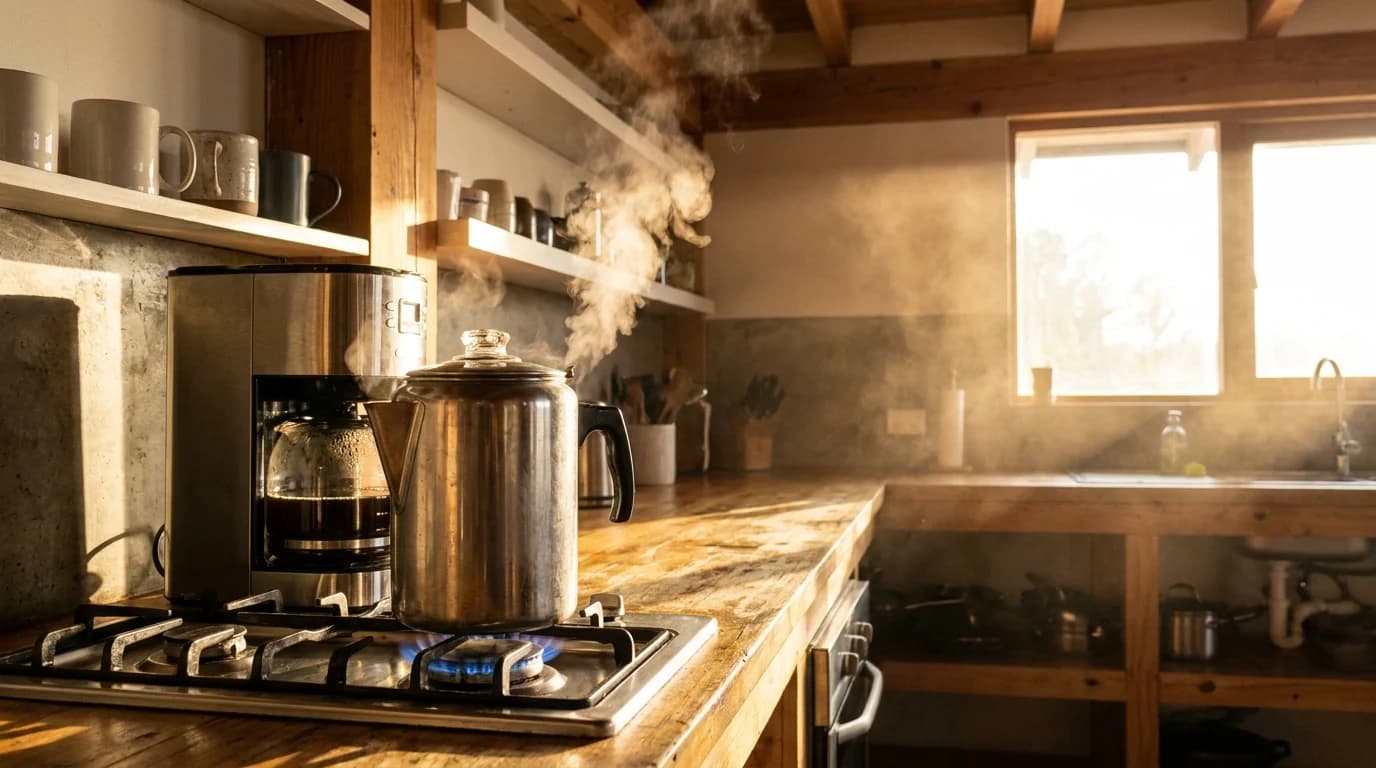
Is Percolator Coffee Actually Good? Percolator vs Drip, Honestly
Coffee professionals dismiss the percolator and half of Reddit defends it. Both sides are describing the same machine accurately — the honest answer is that percolators aren't bad, they're unforgiving.
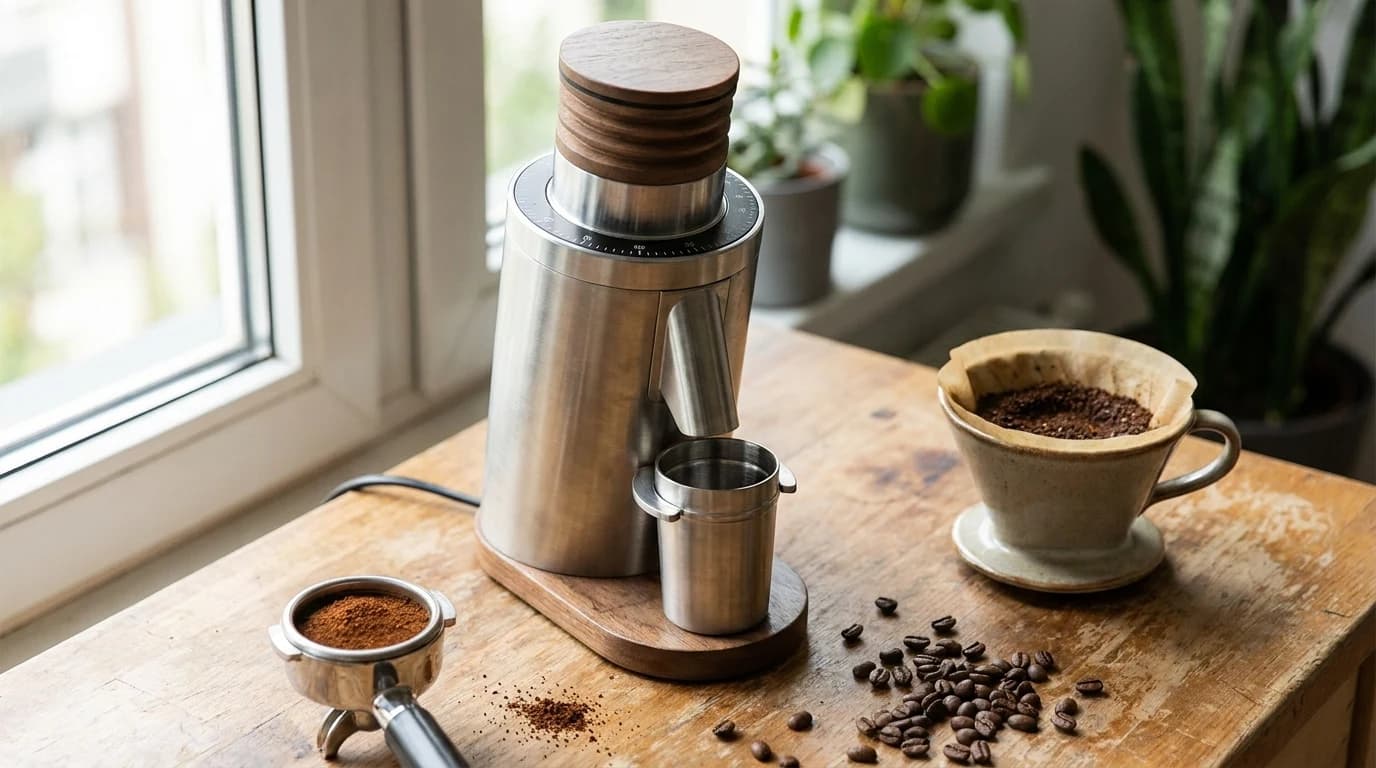
One Grinder for Espresso and Pour Over: When It Works, When You Need Two
Plenty of grinders can physically grind for both espresso and filter — the makers say so themselves. The real cost is the daily re-dial and purge, and it's why so many people quietly end up owning two.
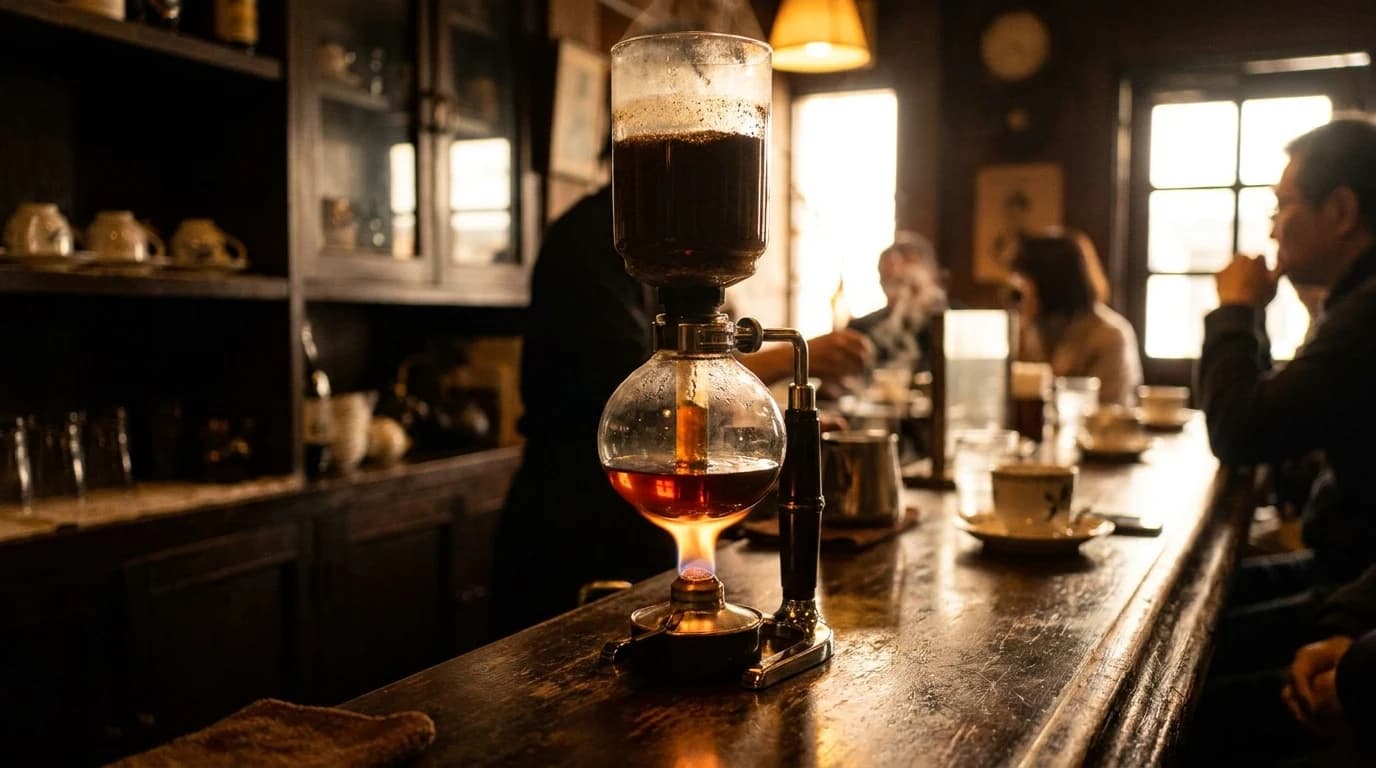
Siphon Coffee, Explained: How It Works and Who Should Bother
The siphon is the most theatrical brewer in coffee, and the physics most blogs describe is wrong. Here's what actually moves the water, what the method genuinely buys you, and the honest case for and against owning one.
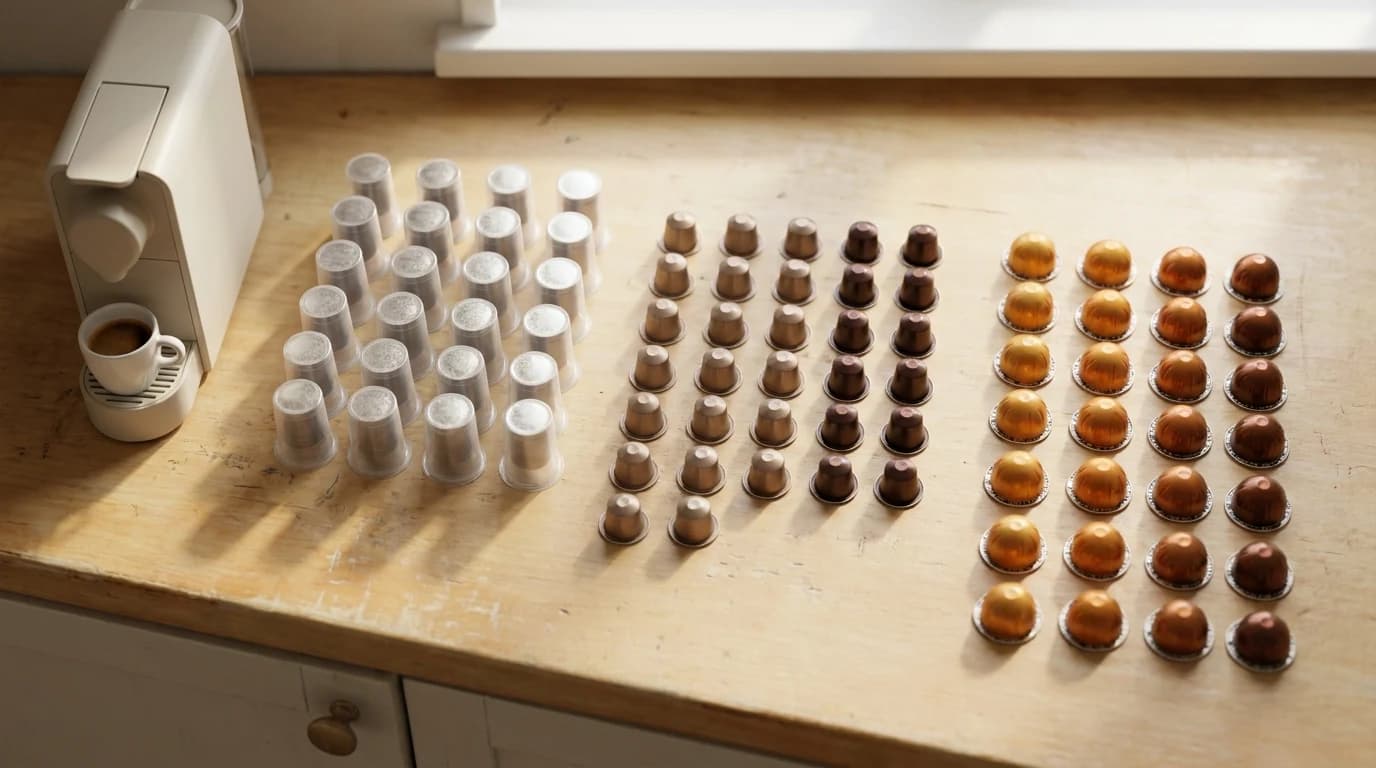
Which Capsule Coffee Machine? Price the Pods First
Roundups rank the machines. Two cups a day is 730 capsules and one machine a year, and on our own price index the $160 Vertuo works out dearer over twelve months than the $600 latte machine.
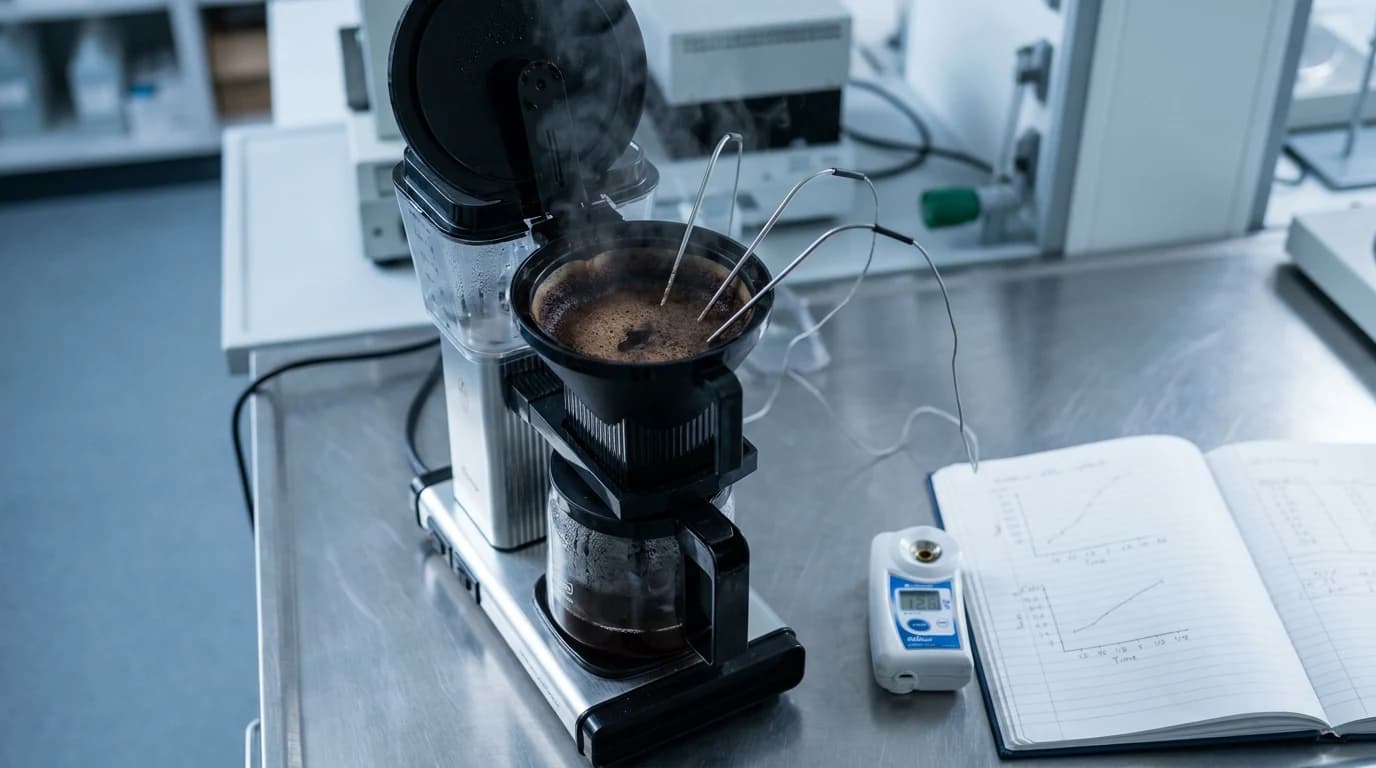
SCA Certified Coffee Makers: What the Badge Tests
Roundups tell you to look for the badge and stop there. The standard behind it asks seven questions, every one of them about how the machine moves hot water — and the laboratory dials in the grind before it judges the cup.
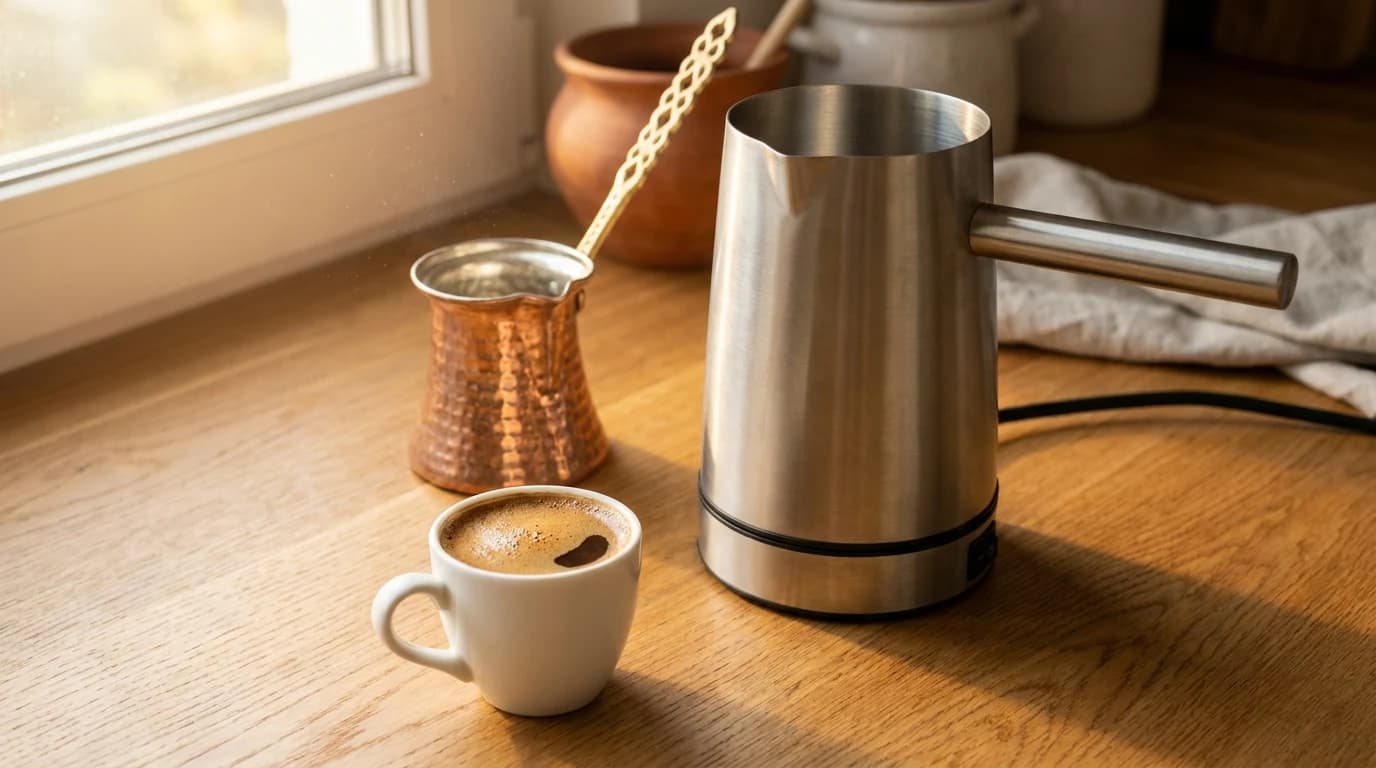
Electric Turkish Coffee Maker vs Cezve: What It Fixes
Every automatic in this category sells the same ninety seconds back to you: the vigil over the pot. Mapped against the four steps of the traditional method, a machine takes over the last two and leaves the first two — grind and freshness — exactly where they were, which is where the coffee is actually decided.
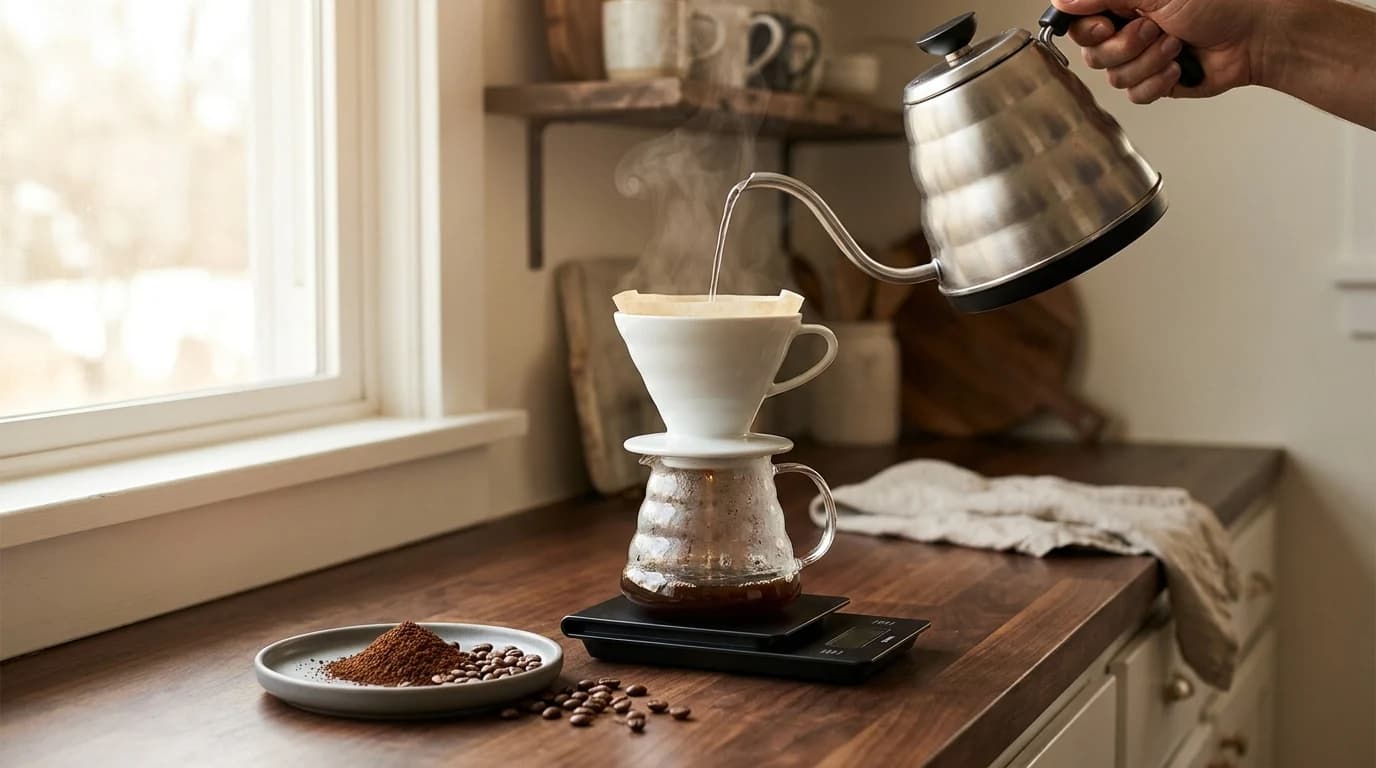
Pour Over Coffee: Four Variables, Only One Real Dial
Every guide gives you the same four numbers and implies that missing any of them ruins the cup equally. Sorted by what kind of control each one really is — arithmetic, dial, gate, mixing input — the list reorders itself, and the SCA's own test method says which one you are meant to turn.
Hard Water and Coffee: What Your Hardness Number Means
Every water guide sells you a filter before it asks what your water actually is. Start with the hardness figure your utility already publishes, lay it over the SCA brewing range, and most of the advice sorts itself out.
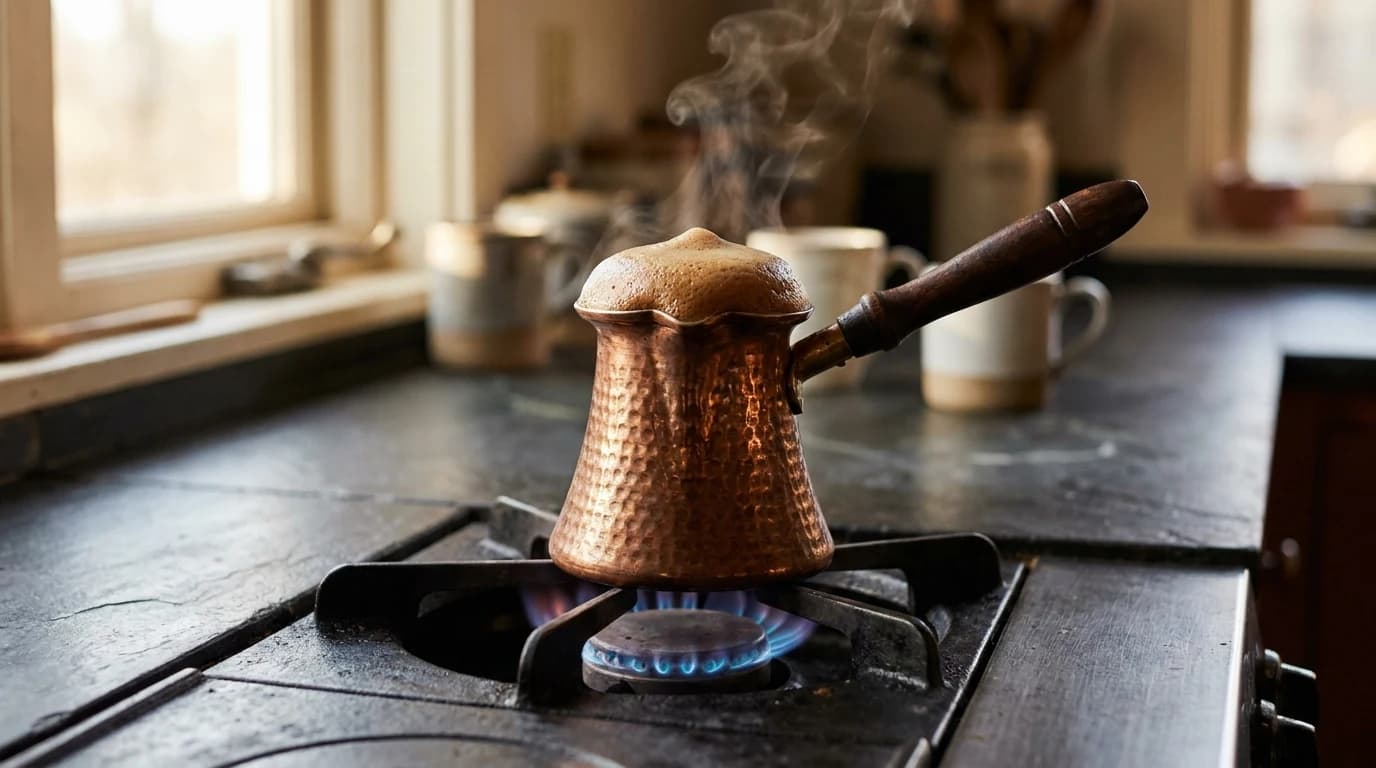
Turkish Coffee Not Foaming? Fix the Gas, Not the Heat
Every fix list blames your heat, your pot, or your patience. The foam is carbon dioxide, and the powder-fine grind Turkish coffee demands is the most gas-expensive grind in coffee — which reorders the whole list.
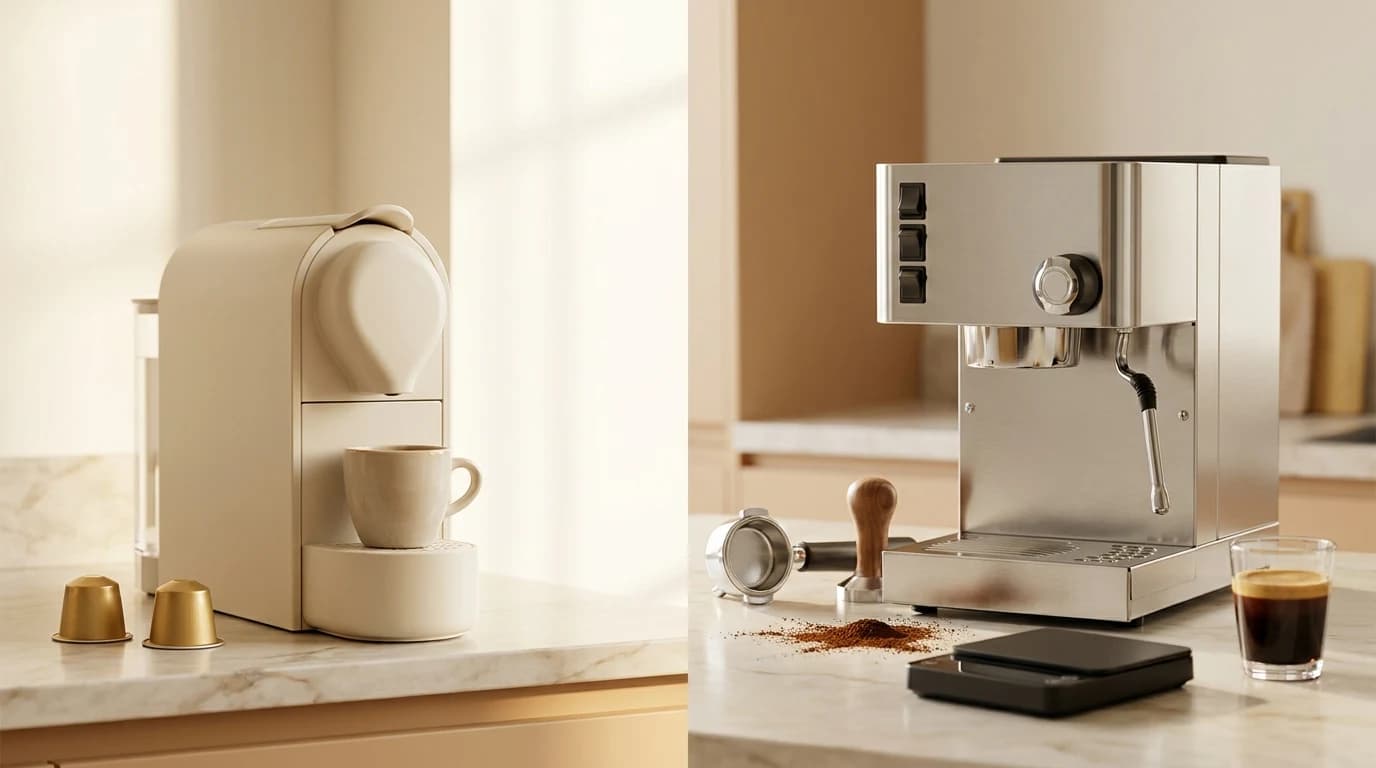
Pod Machine vs Espresso Machine: What Capsules Can't Do
Capsules genuinely solve staleness and repeatability. What they cannot do is let you change the dose, the grind or the ratio, so you can never dial anything in.
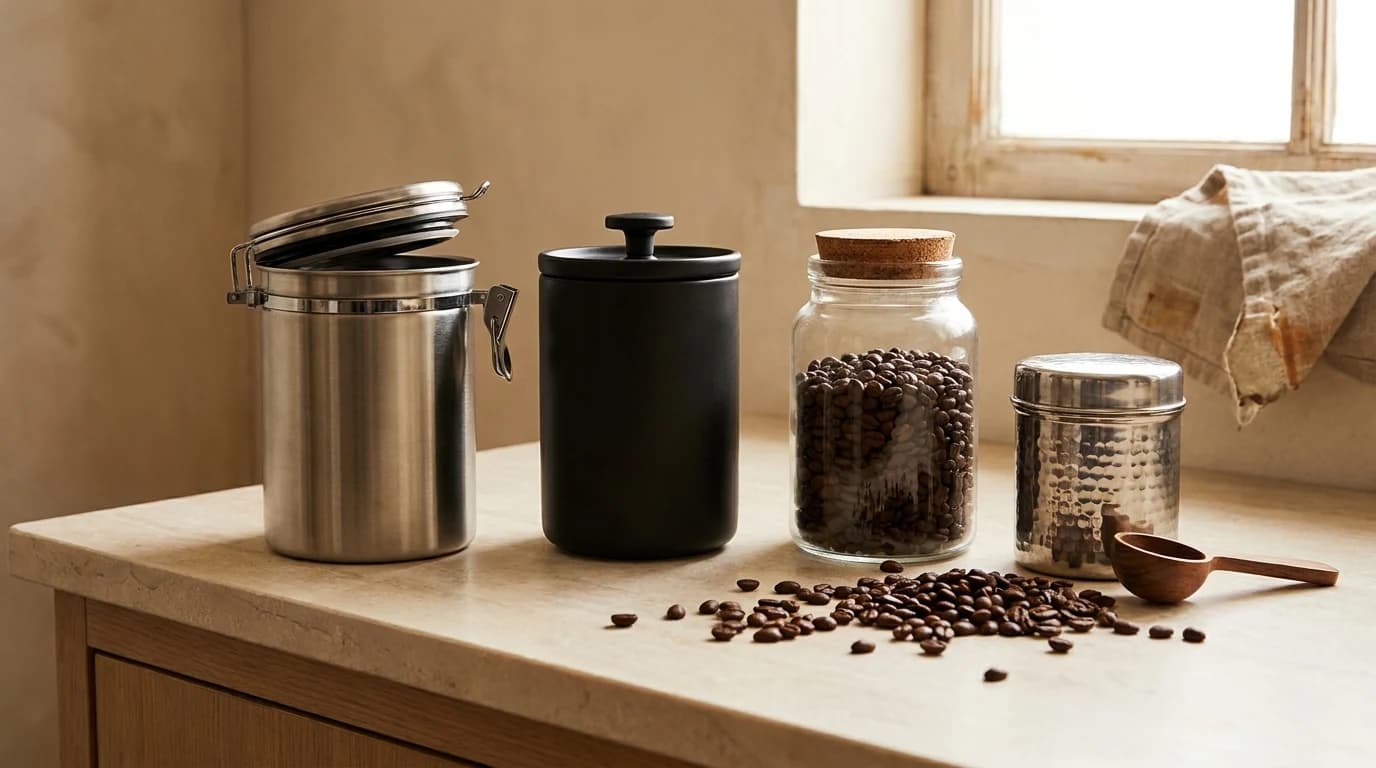
Best Coffee Canisters 2026: Valve vs Vacuum, Explained
Every canister guide tells you to remove the air. That advice is backwards for the first month, because the coffee is busy making its own protective gas. Here is which seal to buy, and when.
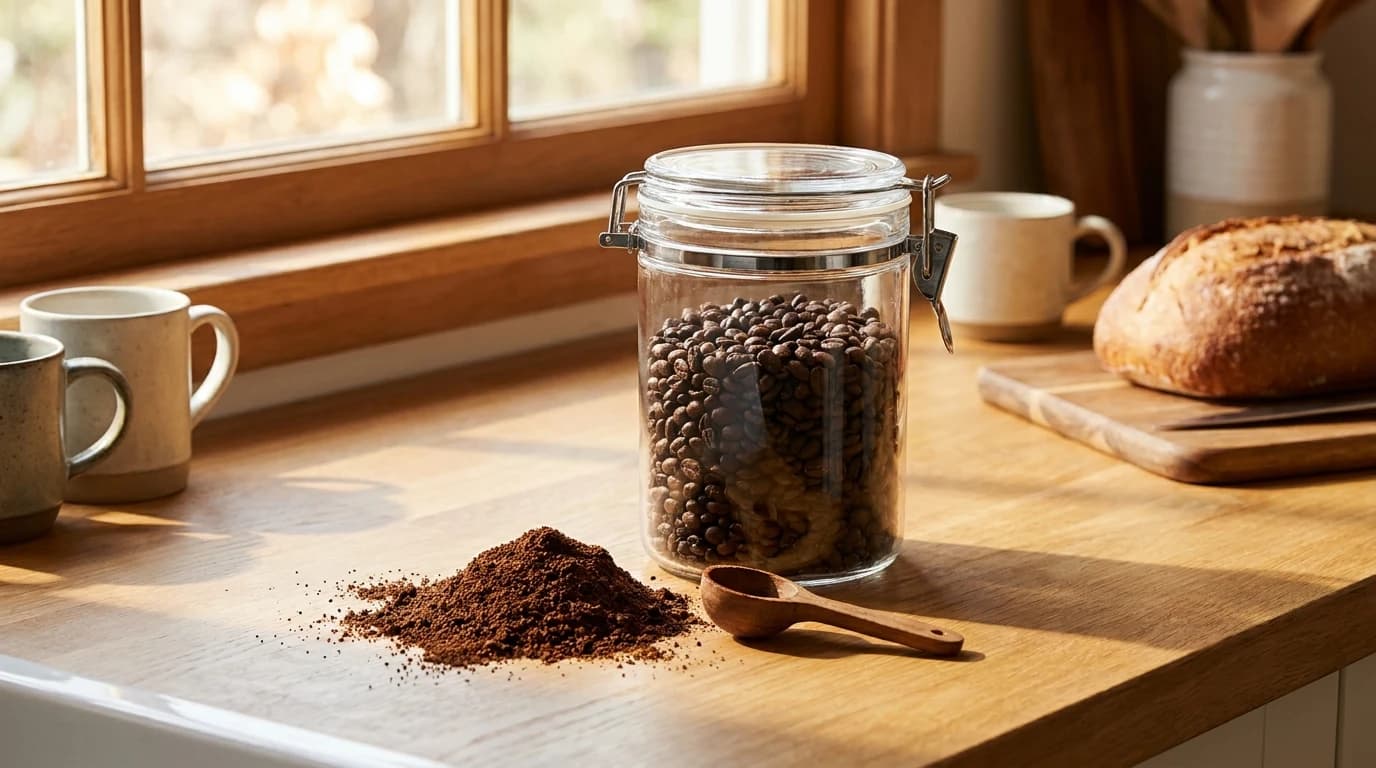
How Long Does Coffee Stay Fresh? Beans, Ground, Brewed
Roast date matters more than a best-by stamp. Here is the real freshness window for whole beans, ground coffee, and brewed coffee, plus why each one fades.
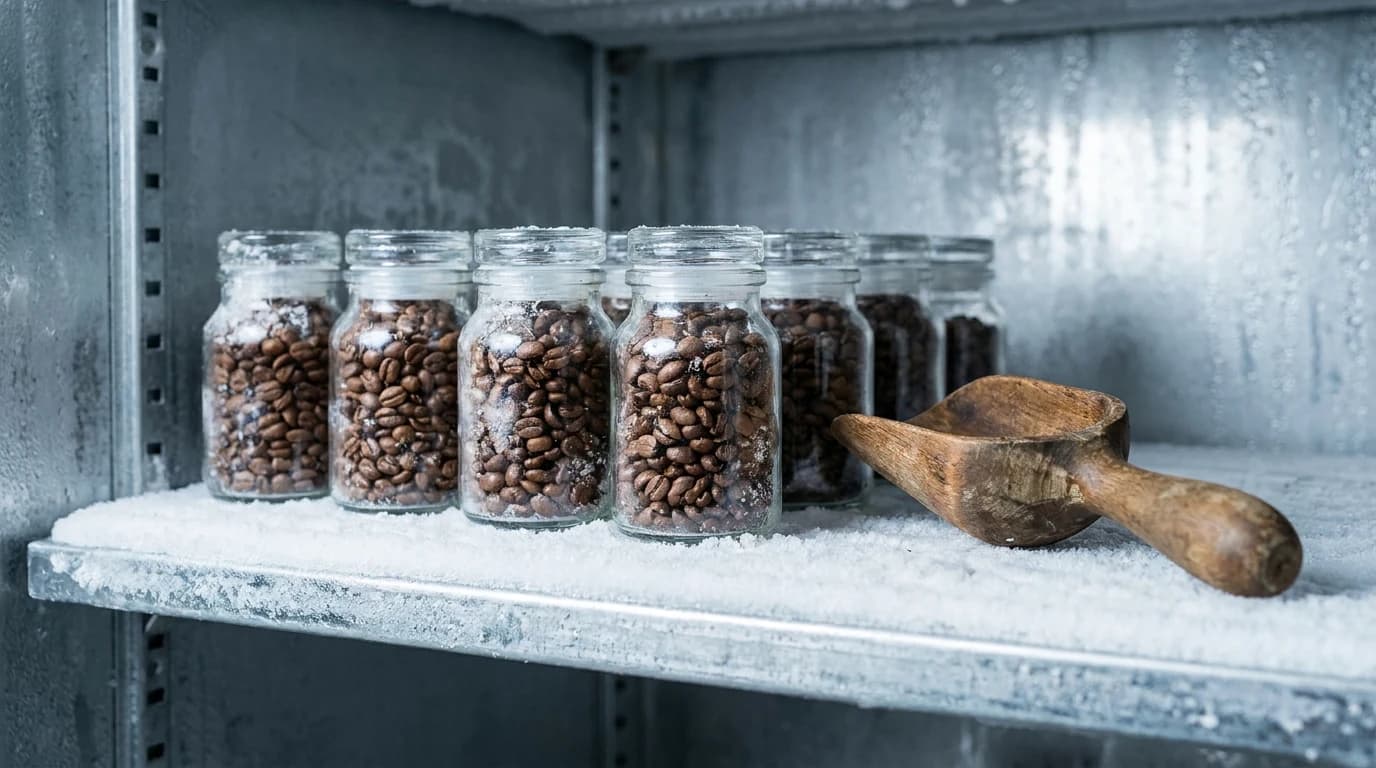
Should You Freeze Coffee Beans? What Actually Works
Freezing coffee beans is not a myth or a hack. It is a long-term storage tool that works well when done correctly and fails badly when done casually.
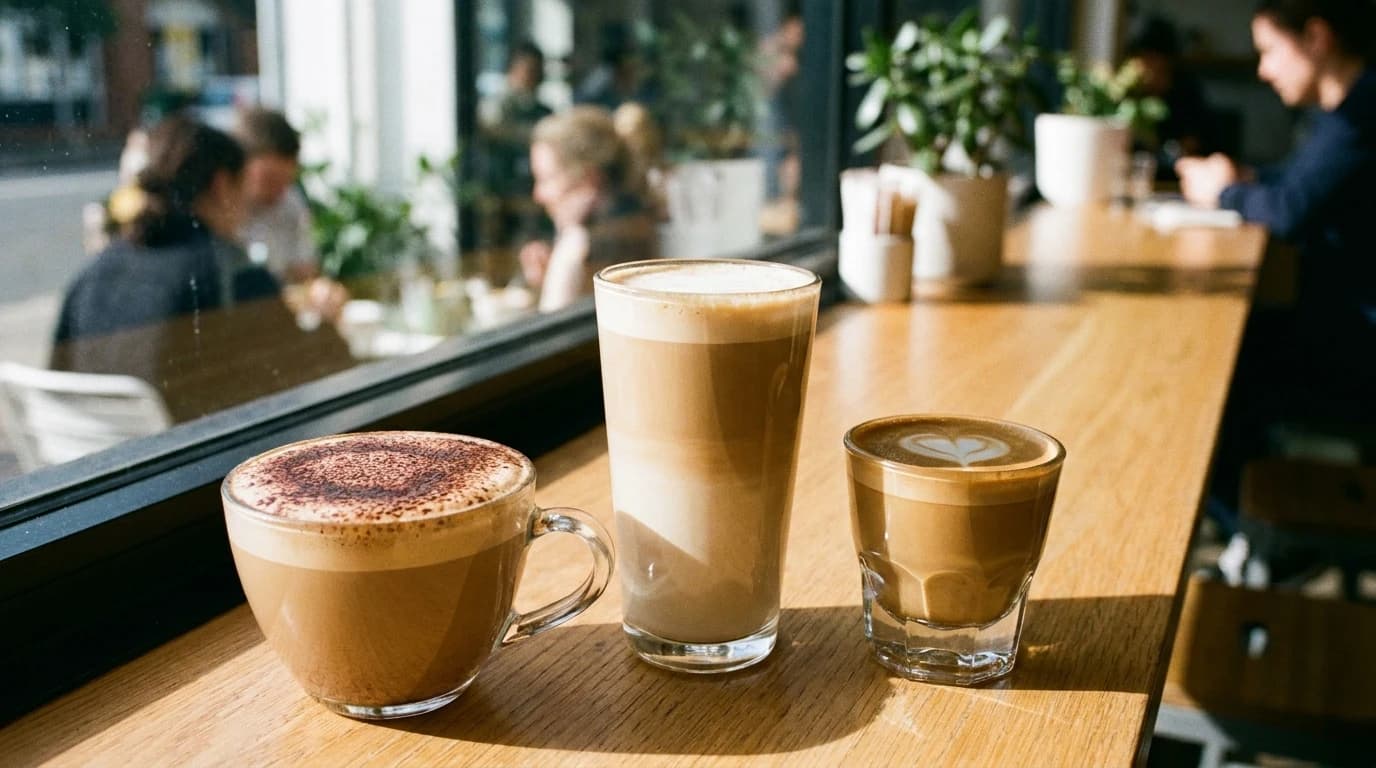
Cappuccino vs Latte vs Flat White: The Real Difference
Three espresso drinks, one confusing menu. The difference is not the espresso, it is how much milk and foam goes on top, and how the milk is textured.
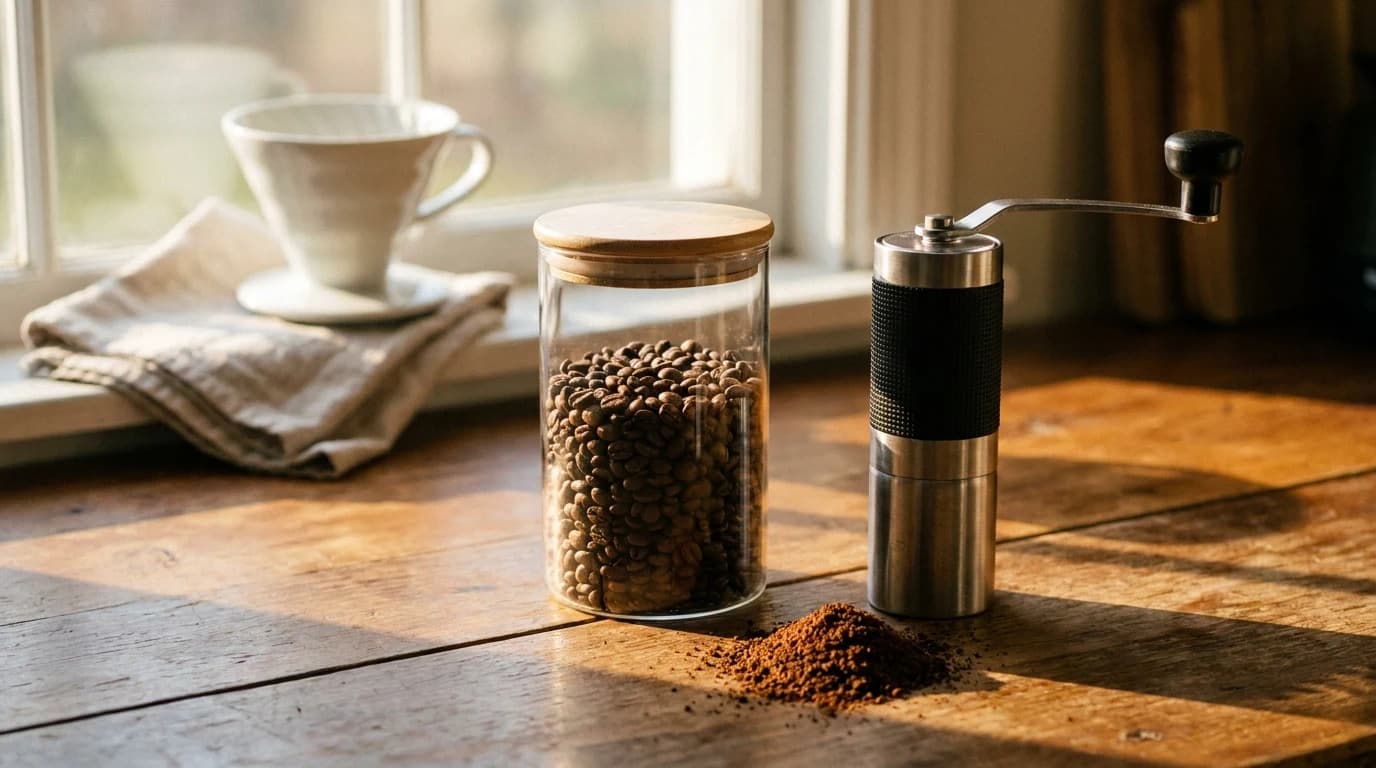
Whole Bean vs Ground Coffee: Does It Matter?
Grinding your own beans really does taste better, but that doesn't mean pre-ground is a mistake. Here's the honest trade-off and when each one makes sense.
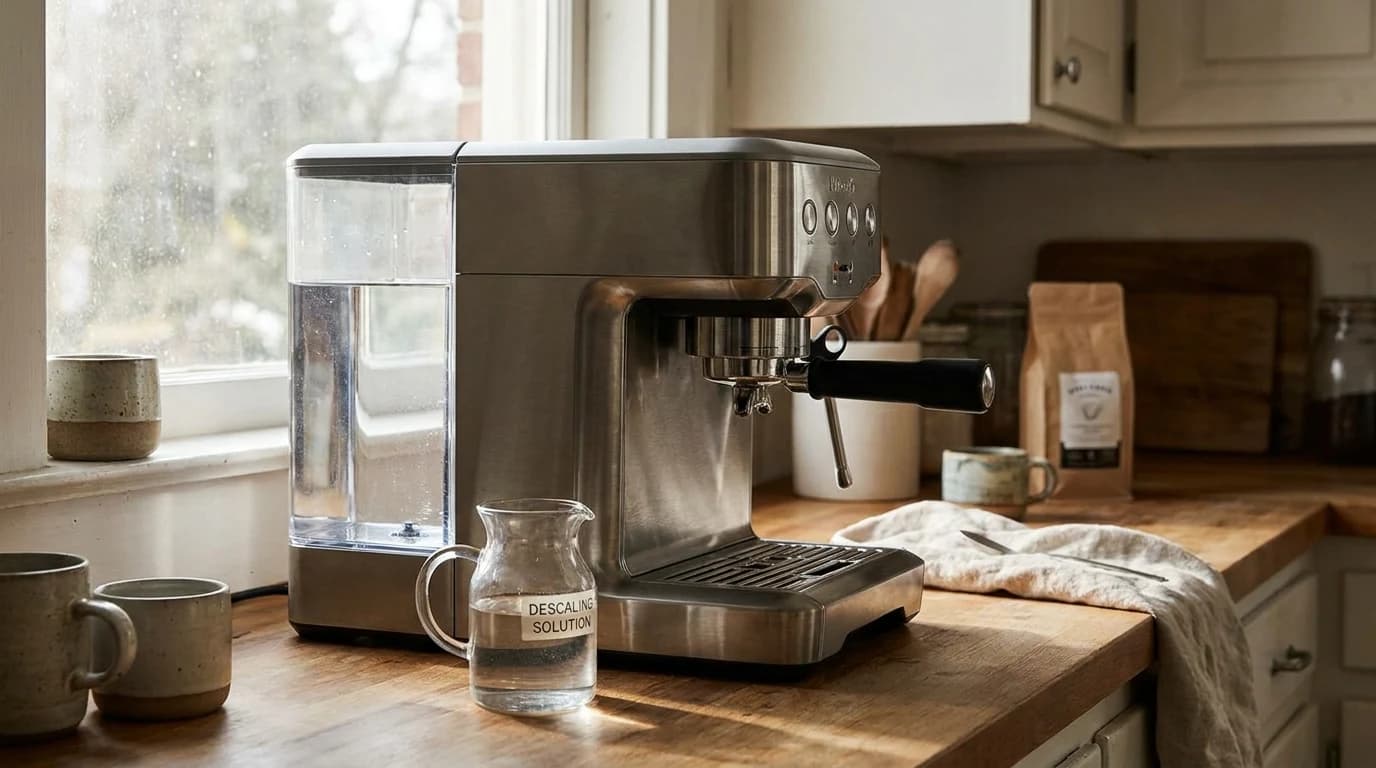
How to Descale a Coffee Maker or Espresso Machine
Limescale from hard water clogs your machine and dulls the taste. Here is how to descale a drip maker, pod machine, or espresso machine safely, and how often to do it.
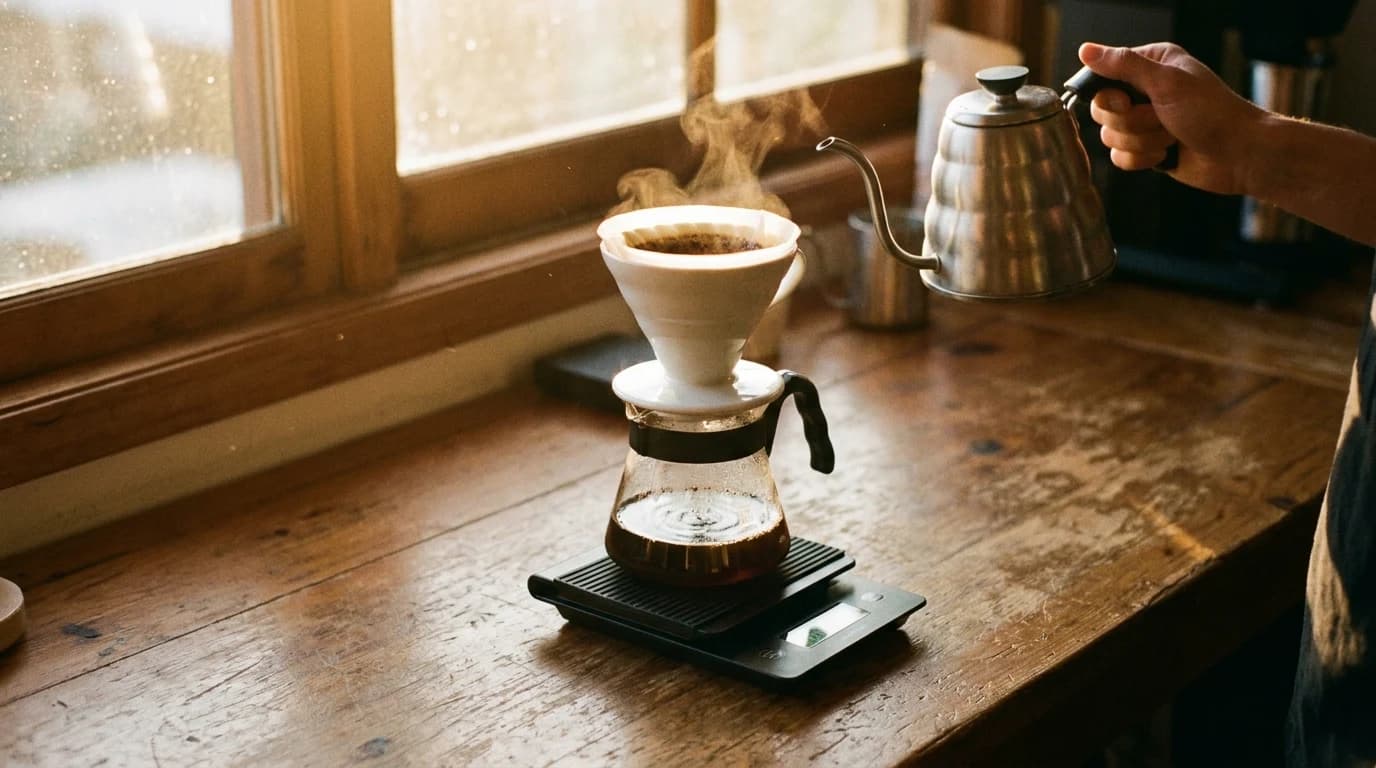
Why Is My Coffee Sour? Fixes for Every Brew Method
Sour, tart, lemony coffee is almost always under-extraction: your water didn't pull enough out of the grounds. Here is how to diagnose and fix it in any brewer.
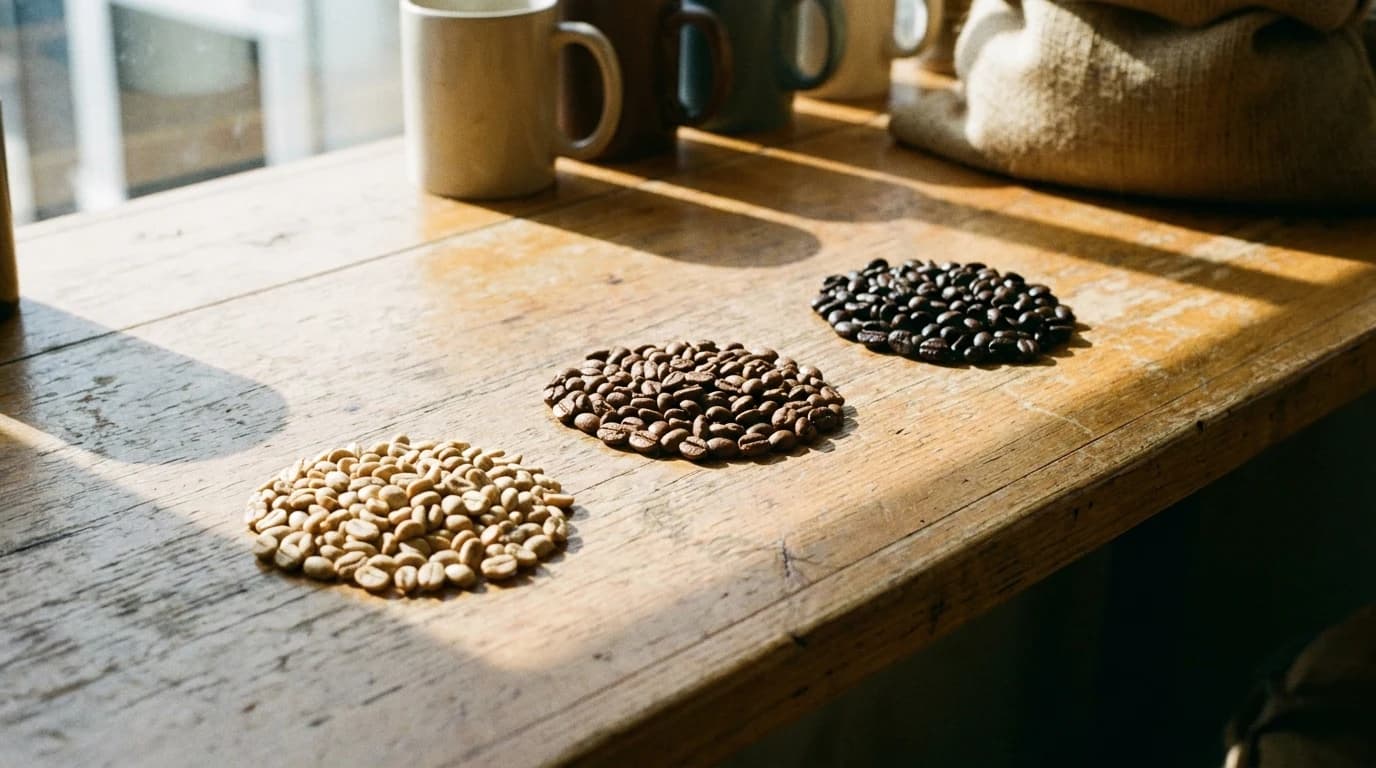
Light vs Dark Roast Coffee: The Real Differences
Roast level changes flavor, acidity, body, and how you should grind and brew, but it barely touches caffeine. Here is the honest breakdown.
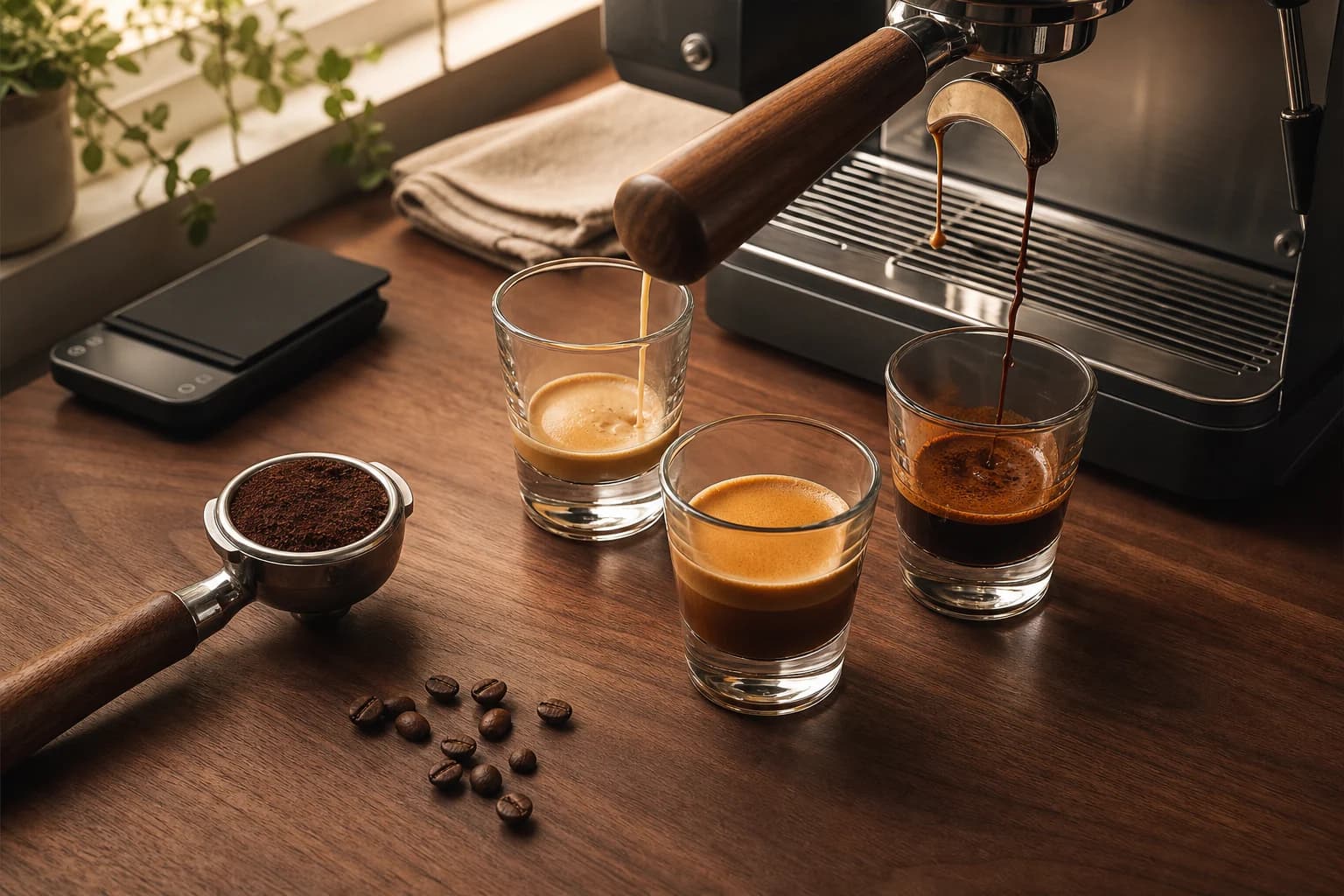
Sour vs Bitter Espresso: Diagnose a Bad Shot Fast
A bad espresso shot rarely needs six simultaneous adjustments. Pair the taste with how the shot flowed, then make the smallest useful change.
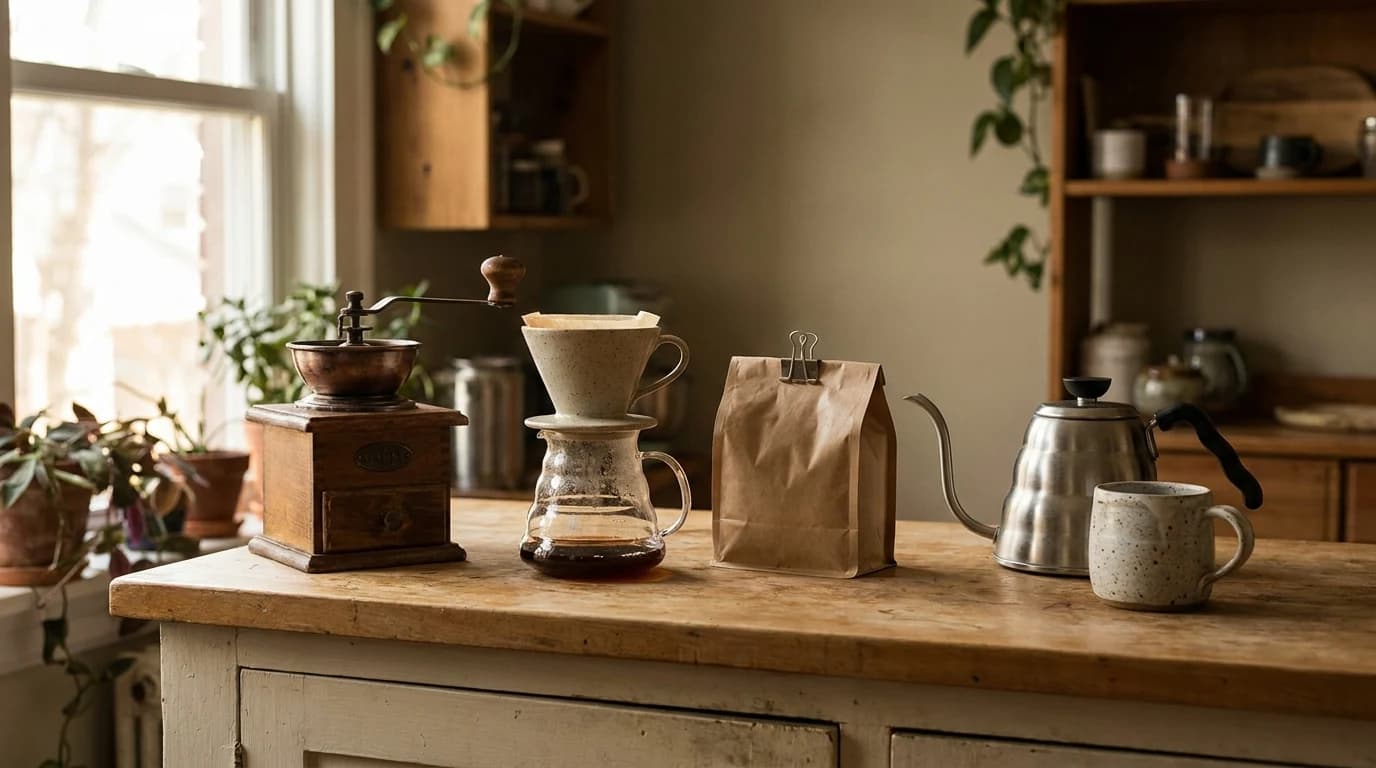
How to Build a Home Coffee Setup (and What to Buy First)
Most first coffee setups spend the money in the wrong order. Grinder, beans, and ratio change the cup more than the brewer does — here is how to sequence the purchases.
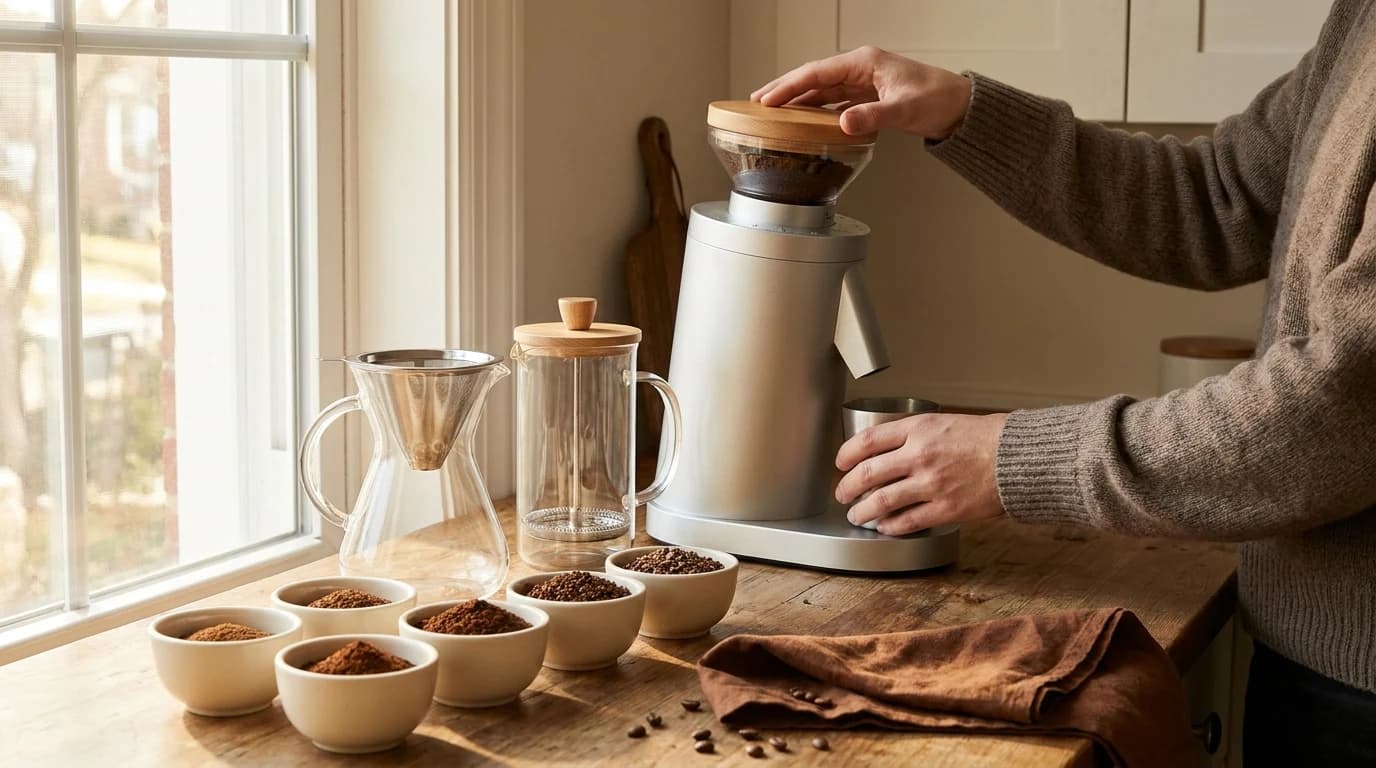
Coffee Grind Size Chart: Dial In by Taste, Not Numbers
Your grinder's numbers are not a shared unit. Start with the right texture, then use brew time and taste to move finer or coarser one step at a time.
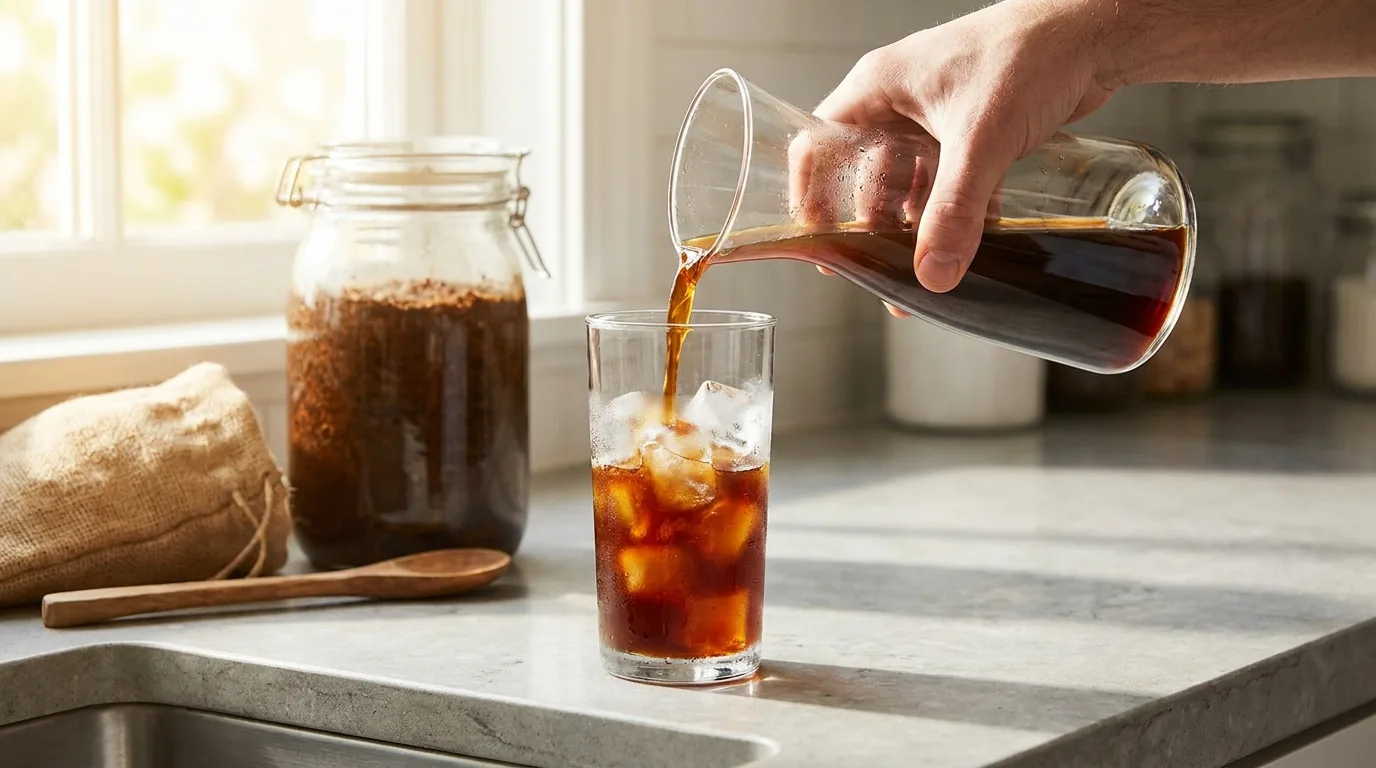
How to Make Cold Brew Coffee at Home (Concentrate Method)
Cold brew's only two real variables are ratio and steep time, and over-steeping ruins more batches than under-steeping. The concentrate method, a dial-in matrix, and a taste-by-taste troubleshooting table.
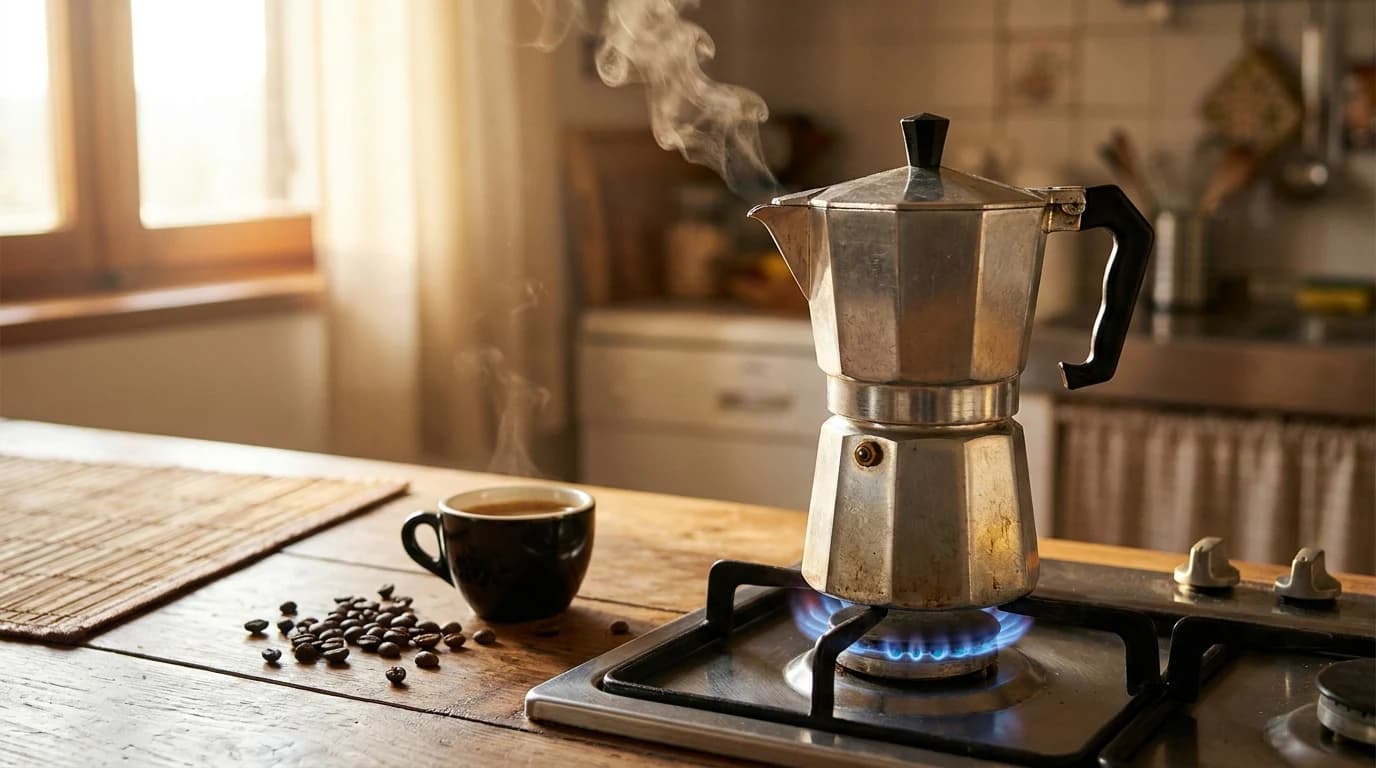
Why Your Moka Pot Coffee Tastes Bitter (and the Fix)
The most common fix for bitter moka coffee, grind coarser, is usually wrong. Here is why heat and timing matter more, with a symptom-by-symptom diagnostic table.
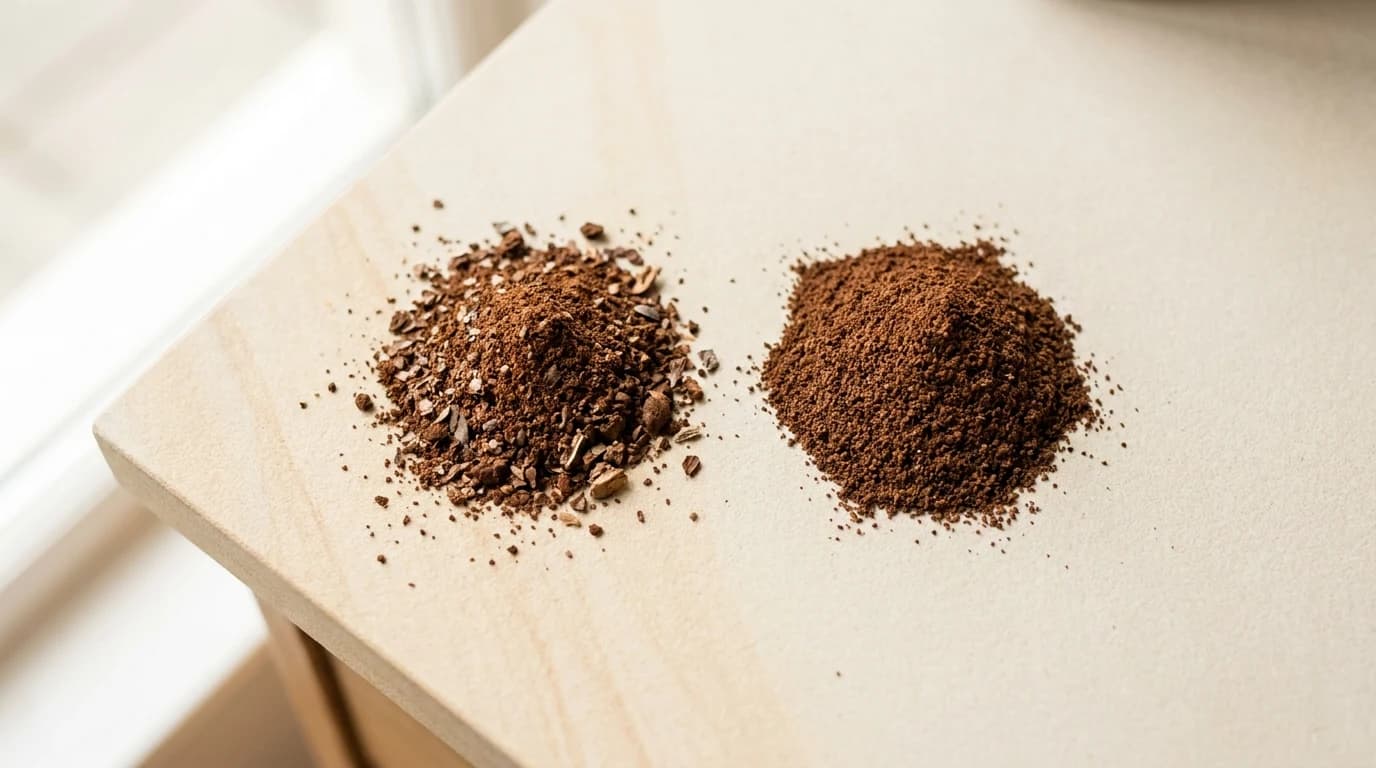
Blade vs Burr Grinder: What Changes in the Cup
Burr grinders are not just a bit better. A blade chops coffee into a wide, random spread that over-extracts and under-extracts in the same cup. Here is the mechanism, and which brew methods actually expose it.
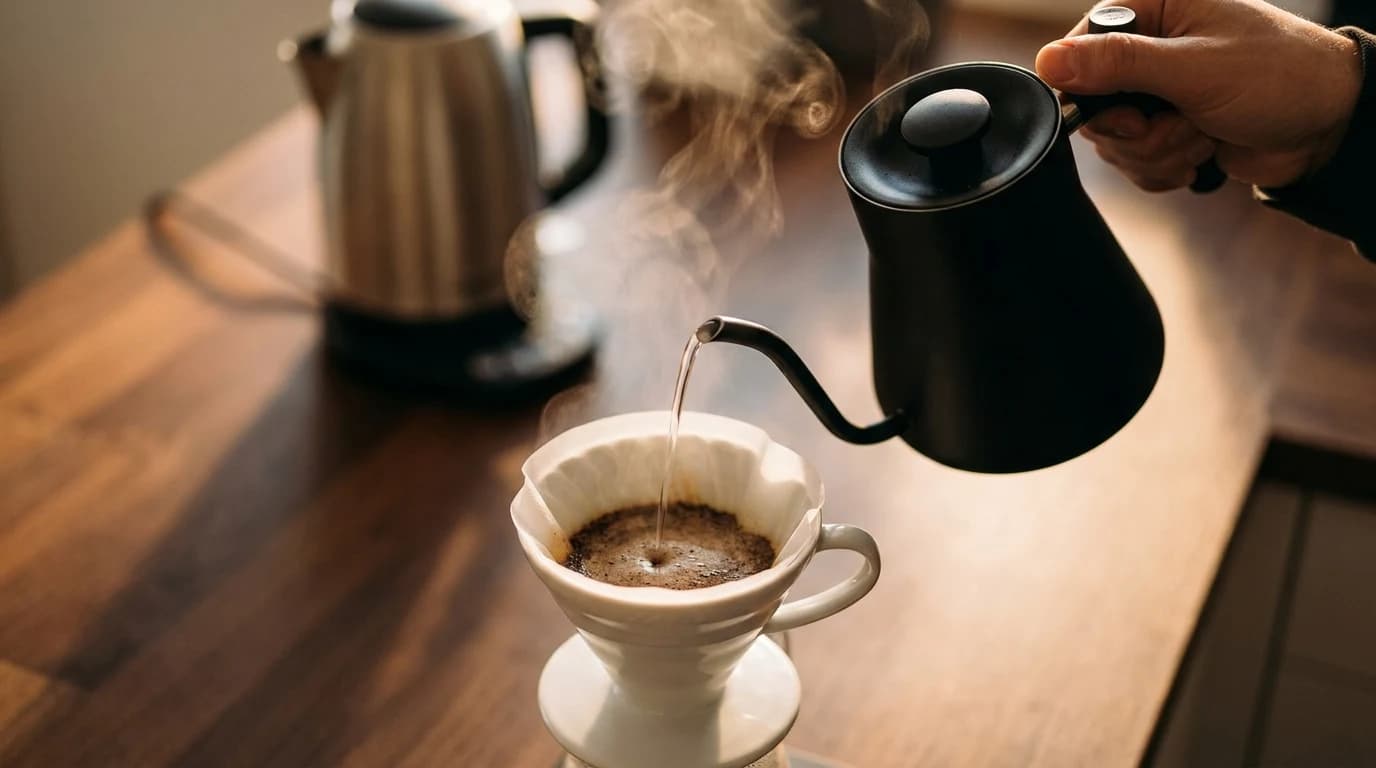
Gooseneck vs Regular Kettle: When the Spout Matters
The gooseneck sales pitch is temperature control. That is the wrong reason to buy one. Its real, measurable job is flow-rate control at low speed, which matters for exactly one brew method and does nothing for the rest.

Cold Brew vs Iced Coffee: Not the Same Drink
Order both and they look identical, but the ice is not the difference, the brewing is. One is steeped cold for hours; the other is brewed hot and chilled. Here is what that changes in acidity, caffeine, and flavor, and how to make each.