The most universally loved coffee flavor is cozy and dessert-like: milk chocolate, caramel, toasted nuts. It comes from medium roasts of Central and South American coffees, and it's the safest bet for milk drinks and for anyone who finds fruity coffee too sour.
Look for: medium roast, Central/South American origin, chocolate & nut notes.
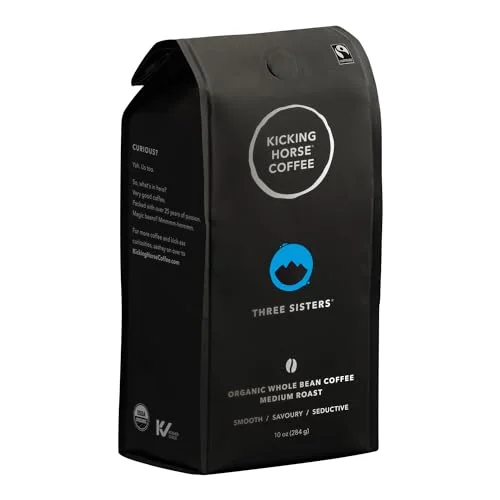
An organic, fair-trade medium roast with easy chocolate-and-nut balance across any brewer.
ChocolateNuttyFruityCaramel
Acidity
Medium
Body
Medium
Sweetness
Sweet
Brews: Drip · Espresso · French pressOrganic
Why this one: Three Sisters is the most complete pick for this flavor: an organic, fair-trade washed medium roast with chocolate, nutty, fruity and caramel notes, gentle acidity (3/5) and real sweetness (4/5), at an affordable ~$15. It balances easily across drip, espresso and French press and holds up in milk drinks, so it is the one bag here that suits almost any brewer. The fruity edge makes it a touch livelier and less purely chocolatey than a dedicated dessert blend — a plus for most, a minor note if you want pure cocoa, in which case the Costa Rica Tarrazu below is the softer milk-chocolate cup.
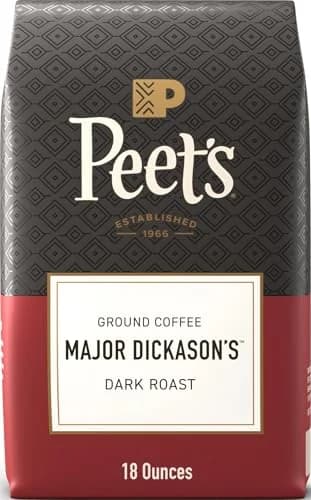
The classic Peet's dark roast — deep, smoky, and full-bodied for people who like it strong.
SmokySpiceDark chocolateBold
Acidity
Mild
Body
Heavy
Sweetness
Balanced
Brews: Drip · French press · Espresso
Why this one: For chocolate lovers who want it dark and intense, Major Dickason's brings smoky, spicy, dark-chocolate depth with a maximum body (5/5) and low acidity (2/5). It's the roasty, full-bodied end of the chocolatey spectrum — dark chocolate rather than milk chocolate. That means it's bolder and less sweet than the other picks here, ideal if you like your chocolate notes deep and smoky rather than soft and dessert-like.
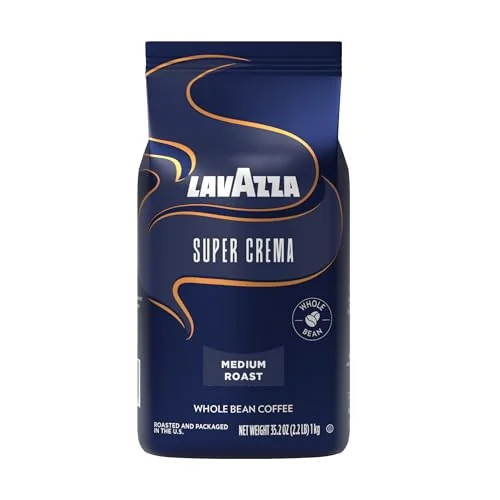
A forgiving, creamy espresso blend with hazelnut sweetness — a home-barista default.
HazelnutBrown sugarHoney
Acidity
Mild
Body
Full
Sweetness
Sweet
Brews: Espresso · Milk drinks
Why this one: Super Crema is a medium roast with hazelnut, brown sugar, and honey — the nutty end of chocolatey-nutty — plus a creamy full body (4/5) and low acidity (2/5) built for espresso and milk. Its hazelnut sweetness cuts through steamed milk beautifully, making it the natural latte and cappuccino choice. It leans more nutty-sweet than cocoa-forward, so reach for it when you want toasted-nut warmth rather than a chocolate-bar note.
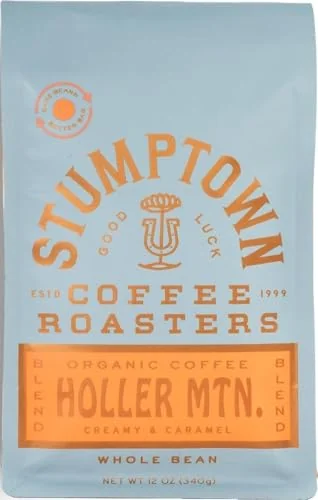
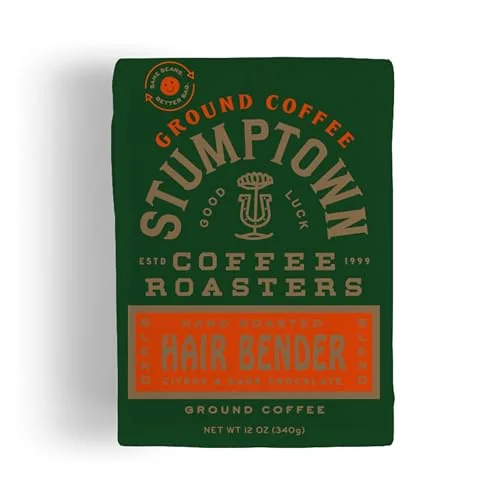
Stumptown's organic house blend, which the roaster describes as citrus and berry over creamy caramel, and owner reviews report it is the more approachable everyday sibling to Hair Bender.
Citrus zestCaramelHazelnut
Acidity
Medium
Body
Full
Sweetness
Sweet
Brews: Drip · French press · Pour-over · EspressoOrganic
Why this one: Holler Mountain is Stumptown's organic house blend, and its notes put it on the nutty side of this list: hazelnut and caramel with a citrus-zest lift, 4/5 sweetness and a fuller body (4/5) than most picks here. It is one of the most flexible bags on the page, suited to drip, French press, pour-over and espresso, and owner reviews report it as the approachable everyday sibling to Stumptown's Hair Bender. The citrus makes it livelier than a pure cocoa coffee, so pick it for toasted-nut warmth with a bit of brightness rather than for a chocolate-bar cup.
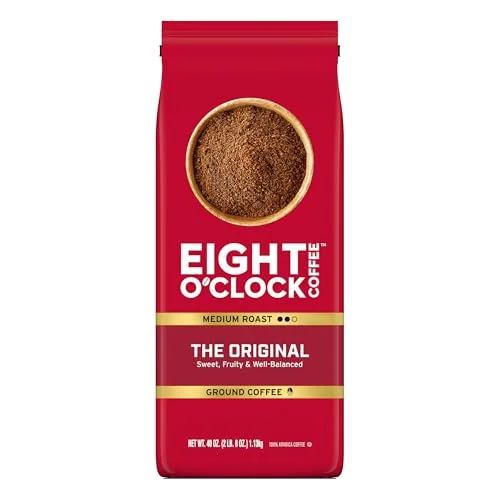
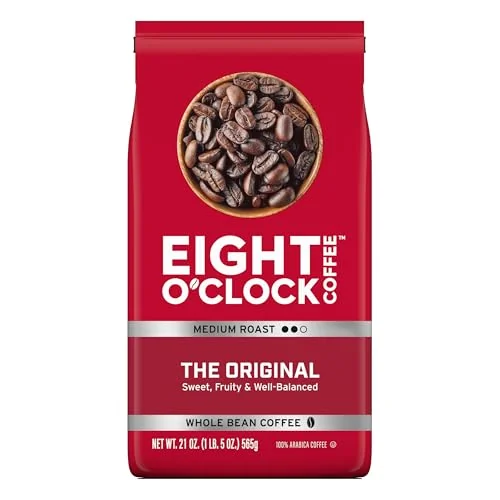
One of the cheapest 100 percent arabica whole-bean options in a US supermarket aisle, which the roaster describes as having winey notes; owner reviews report it as the value benchmark other budget beans get measured against.
Toasted nutWiney fruitCocoa
Acidity
Medium
Body
Medium
Sweetness
Balanced
Brews: Drip · French press · Cold brew
Why this one: Eight O'Clock The Original is the supermarket value pick: one of the cheapest 100 percent arabica whole-bean coffees in a US grocery aisle, with toasted nut and cocoa notes and a winey fruit edge the roaster describes itself. It is balanced rather than rich (3/5 sweetness and body), which is exactly why owner reviews treat it as the benchmark other budget beans get measured against. The whole-bean bag is currently unavailable on Amazon, so the ground 21 oz bag in the ground section below is the practical way to buy it.
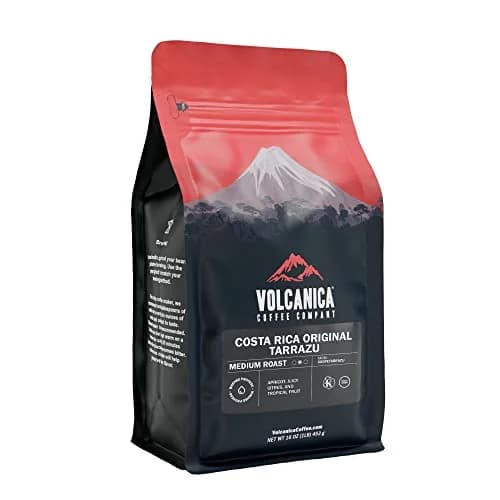
A washed Tarrazu that the roaster describes as clean and balanced with a light chocolate sweetness, which makes it an easy first single origin for drip drinkers.
Milk chocolateOrangeBrown sugar
Acidity
Medium
Body
Medium
Sweetness
Sweet
Brews: Drip · Pour-over · French press · Filter
Why this one: If you want to taste where chocolatey coffee comes from without a blend in the way, this washed Tarrazu is the cleanest example here: milk chocolate, orange and brown sugar, 4/5 sweetness, and acidity that stays moderate at 3/5. The roaster describes it as clean and balanced with a light chocolate sweetness, which makes it an easy first single origin for drip and pour-over. It is milk chocolate rather than dark, so it suits people who find Peet's too smoky.
Chocolate-and-nut is the easiest profile to find in pods — these are the standouts.
Green Mountain Coffee Roasters
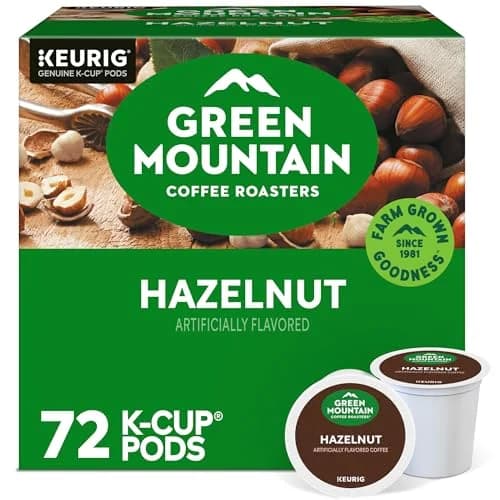
Green Mountain Coffee Roasters Hazelnut, 72 ct
Light roast
A widely stocked nutty flavored K-Cup; the roaster describes it as a lighter roast carrying sweet, buttery hazelnut, and owner reviews report it reads nutty without turning syrupy.
USDA Organic and Fair Trade certified, blending medium-roast Central American with darker Indonesian coffee, which is why owner reviews report it drinking heavier and earthier than a typical supermarket medium.
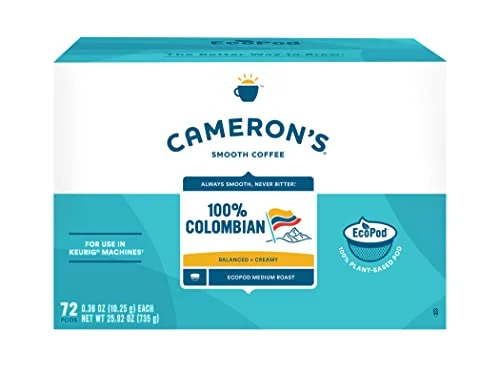
Cameron's Coffee 100% Colombian Single Serve Pods, 72 ct
Medium roast
A single-origin Colombian rather than a house blend, and the roaster notes the pod uses a real filter that is certified compostable in industrial facilities instead of a plastic cup.
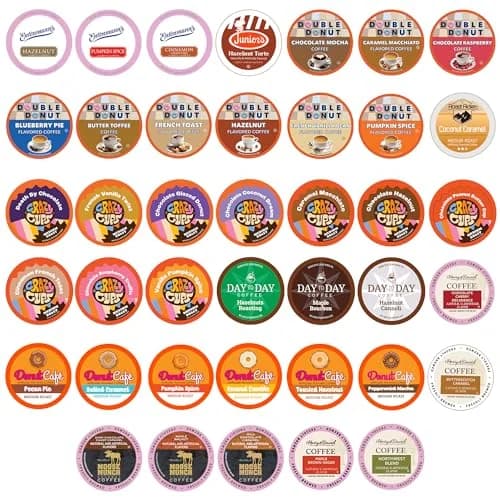
A flavored sampler that spans chocolate, vanilla, caramel and nut profiles in one box, useful for working out which flavored direction a household actually likes before buying 72 of anything.
A long-running 100 percent arabica supermarket staple, and forum consensus tends to name it the value pick when the alternative is a canned robusta blend.
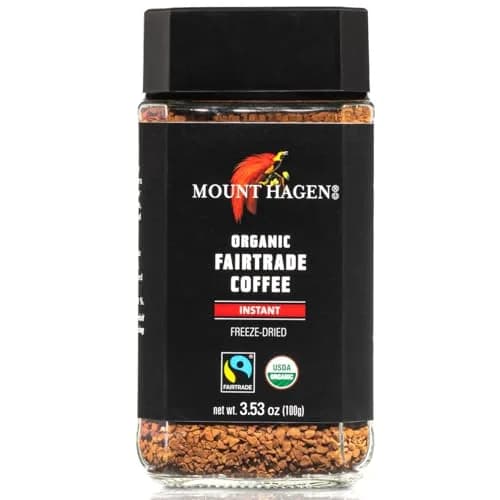
Freeze-dried organic fair-trade arabica in a glass jar, and long-running community consensus treats it as the default recommendation when someone wants instant that is not harsh.
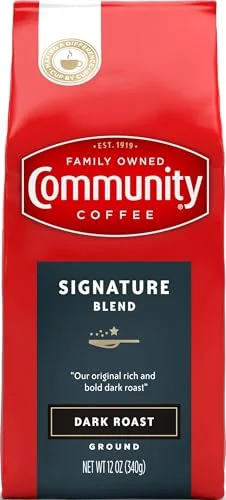
A Louisiana family roaster's flagship dark blend, and the roaster describes it as roasted for a deep chocolate profile in drip, pour-over or cold brew.
These beans are made for milk. If you froth, their chocolate and caramel notes cut through steamed milk beautifully in a latte or cappuccino.
Where chocolate and nutty notes come from
Those cozy cocoa, caramel, and toasted-nut flavors aren't added — they develop from the beans themselves, mostly from Central and South American origins (Colombia, Brazil, Guatemala) that are naturally lower in acidity and higher in sweetness. Coffees like Kicking Horse Three Sisters and Volcanica's Costa Rica Tarrazu draw on exactly these origins, which is why they taste of chocolate and nuts rather than bright fruit or florals.
Why medium roast and the Maillard reaction matter
Medium roasting is where chocolate and nutty notes peak. As beans roast, the Maillard reaction — the same browning that makes toast and seared meat taste rich — creates the caramelized, nutty, cocoa compounds we love. Roast too light and you get bright, grassy acidity instead; roast too dark and those sweet nutty notes give way to smoky, bitter char. The medium sweet spot is why nearly every pick here lands in that range.
Why they suit milk drinks
Chocolate and nut flavors are exactly what milk complements — steamed milk adds sweetness and creaminess that amplifies caramel and cocoa rather than fighting them, the way it can clash with a bright, acidic coffee. A medium-roast, chocolatey-nutty coffee with enough body is the classic latte and cappuccino base, which is why beans like Three Sisters and Super Crema are so often recommended for milk drinks.
Chocolatey coffee is not chocolate-flavored coffee
These are two different products sharing a shelf. A chocolatey coffee gets its cocoa character from the bean: a Central or South American origin with natural sweetness, roasted far enough for browning to produce cocoa-like compounds. Nothing is added, and the note reads as background richness rather than as candy. A chocolate-flavored coffee has flavoring applied to the roasted beans, usually as an oil-based coating, so the chocolate sits on top of whatever base coffee is underneath — often an inexpensive one, because the flavoring is doing the work. Neither is wrong; they answer different questions. If you want a cup that still tastes like coffee but carries cocoa depth and takes milk well, the beans on this page are the answer. If you want an unmistakable chocolate dessert in a mug, you want a flavored coffee, and a flavored pod is the cheap way to test that before committing to a whole bag.
Why washed Latin American coffees point toward cocoa rather than fruit
Almost every bean here comes from Colombia, Brazil, Guatemala or Costa Rica, and most are washed. That is not a coincidence. Washed processing strips the fruit off the seed before drying, so the cup expresses the bean rather than the fermenting pulp around it — clean, balanced and comparatively restrained. Natural and honey processing leave fruit in contact for longer and push the cup toward berry, wine and tropical notes, which is the opposite direction from where cocoa lives. Then there is the region: these origins are generally moderate in acidity and generous in sweetness next to Kenya or Ethiopia, so a medium roast has sugar to caramelize rather than brightness to protect. Kicking Horse Three Sisters and Volcanica's Costa Rica Tarrazu are both washed medium roasts, and both land on chocolate and caramel. If a bag says natural-process Ethiopian, expect fruit, not cocoa.
Which of these to brew for drip, for espresso and for milk drinks
The picks are not interchangeable, and the brewer decides. For drip and pour-over, Kicking Horse Three Sisters is the safest choice — a washed medium roast with chocolate, caramel and nutty notes and enough acidity, 3 out of 5, to stay interesting black — with Volcanica's Costa Rica Tarrazu as the single-origin alternative. For espresso, weight body over nuance: Lavazza Super Crema is built for it, full-bodied at 4 out of 5 with low acidity that forgives an imperfect dial-in. For milk drinks you need a coffee that survives eight ounces of steamed milk, which means sweetness and body rather than delicacy — Super Crema's hazelnut and brown sugar for a nutty latte, Peet's Major Dickason's when you want dark chocolate to cut through instead. If you brew all three ways, Three Sisters, rated for drip, espresso and French press, is the one bag that covers them all.
Reading nutty and chocolatey tasting notes on a bag
Roasters use a small vocabulary for this profile, and it is worth decoding before you buy. Milk chocolate, cocoa and caramel mean a sweet, soft cup; dark chocolate, cacao or bittersweet mean a heavier, roastier one, usually from a darker roast. On the nutty side, hazelnut and almond read sweet and buttery, while toasted nut, walnut or peanut lean drier and roastier. Praline and toffee sit in between, nut plus caramelized sugar. Notes like citrus, orange or winey fruit alongside the chocolate are not a warning sign; they signal a little brightness, as with Holler Mountain and the Costa Rica Tarrazu here. What does signal the wrong profile for this page is a note list led by berry, jasmine, stone fruit or florals, which usually means a light roast or a natural-process African coffee. None of these words are regulated, so treat them as the roaster's description rather than a guarantee, and cross-check against the roast level printed on the bag.
The best chocolatey, nutty ground coffee if you do not own a grinder
Pre-ground coffee is a genuine option for this profile, because chocolate and nut notes are sturdier than delicate floral ones and survive grinding better than a bright light roast does. The trade-off is freshness: once coffee is ground, the aromatics that carry those notes fade much faster than in a whole bean, so buy the smallest bag you will finish in a couple of weeks and keep it sealed. Three ground options in the section above fit the brief. Eight O'Clock The Original ground is the value choice and the practical way to get that coffee while the whole-bean bag is unavailable. Stumptown Hair Bender ground brings dark chocolate with more acidity and complexity, ground at a drip setting. Community Coffee's Signature Blend dark roast is the cheapest bag here, and the roaster describes it as roasted for a deep chocolate profile in drip, pour-over or cold brew. If you want nutty more than chocolatey and have no grinder, a hazelnut-leaning pod is the easier route than any ground bag.
A common complaint is that chocolatey coffee tastes burnt. That is usually a dark roast doing the talking, because roasting far enough to push cocoa notes forward can also bring smoke and char with it. If you want the chocolate without the bite, stay at medium roast and look for milk chocolate or caramel rather than dark chocolate in the notes: Kicking Horse Three Sisters and Volcanica's Costa Rica Tarrazu both sit at 4 out of 5 for sweetness without any smoky character. Peet's Major Dickason's is the deliberate exception, for people who want the bittersweet end. Brewing matters too. Over-extraction, from a grind that is too fine or water held at a hard boil, pulls harsh, bitter compounds from any roast, so if a sweet medium roast still tastes bitter, grind a step coarser before blaming the beans.
When you buy through links on BrewSift, we may earn an affiliate commission. This is how we fund independent research — it never influences our scores or which products we recommend. How we score & stay independent →
Not sure which is right for you?
The taste quiz narrows it to three picks matched to exactly how you brew and what you like.
Look for medium roasts from Central and South America with tasting notes like milk chocolate, cocoa, caramel, and nuts. Kicking Horse Three Sisters (chocolate, caramel and nutty) and Volcanica's Costa Rica Tarrazu (milk chocolate and brown sugar) are ideal; for a deeper, dark-chocolate intensity, Peet's Major Dickason's delivers a smoky, full-bodied cocoa character.
What's the best coffee for lattes?
A medium-roast, chocolatey-nutty coffee with enough body to stand up to milk. Lavazza Super Crema (hazelnut and brown sugar, built for milk drinks) and Kicking Horse Three Sisters both cut through steamed milk beautifully. If you like a darker latte, a bold chocolatey roast works too — the key is sweetness and body, not brightness.
Where do chocolate and nut flavors in coffee come from?
They come from the bean's origin and roast, not additives. Central and South American coffees are naturally sweet and low-acid, and medium roasting develops caramelized cocoa and nutty compounds through the Maillard browning reaction. Together that produces the cozy, dessert-like flavor — no flavoring syrups involved.
Is chocolatey coffee flavored coffee?
No — in specialty coffee, 'chocolatey' and 'nutty' describe the coffee's own natural tasting notes, not added flavoring. All the picks here get their chocolate and nut character from origin and roast. Flavored coffee, by contrast, has actual chocolate or hazelnut flavoring sprayed on after roasting, which is a different product entirely.
Are chocolatey-nutty coffees less acidic?
Usually, yes. The same medium-to-dark roasts and Central/South American origins that produce chocolate and nut notes also tend to be lower in acidity and higher in sweetness. That's why people who find bright, fruity coffee too sour often prefer chocolatey-nutty coffees — they're smoother and rounder in the cup.
What is the most chocolatey coffee?
It depends which chocolate you mean. For dark, intense cocoa the answer here is Peet's Major Dickason's — smoky, spicy dark chocolate at maximum body with the lowest acidity on our scale. For the milk-chocolate version, sweeter and softer, it is Volcanica's Costa Rica Tarrazu, a washed medium roast with milk chocolate, orange and brown sugar notes and 4 out of 5 sweetness. Both get the flavor from origin and roast rather than from anything added.
What is the smoothest nutty coffee?
Lavazza Super Crema is the smoothest of the nutty picks: hazelnut, brown sugar and honey at a medium roast, with acidity at 2 out of 5 and a full body, so nothing in it reads as sharp. Eight O'Clock The Original and Stumptown Holler Mountain are the toasted-nut alternatives if you brew drip. Smoothness here comes from low acidity plus real body — not from pushing the roast darker, which trades tang for smoke.
What is the best chocolate flavored coffee?
That is a different product from what this page ranks. Every bean here tastes of chocolate because of its origin and roast, with nothing added. Flavored coffee has chocolate or hazelnut flavoring applied after roasting, and the cheapest way to try one is a pod rather than a bag — our flavored K-Cups guide covers the caramel, vanilla and nut profiles. If you want cocoa depth in a cup that still tastes like coffee, stay with the naturally chocolatey beans above.
Which coffee beans have a nutty flavor?
Look for medium roasts from Central and South America, and for hazelnut, toasted nut, almond or walnut in the roaster's tasting notes. On this page Lavazza Super Crema leads on hazelnut, Eight O'Clock The Original is described as toasted nut and cocoa, and Stumptown Holler Mountain pairs hazelnut with caramel. Nuttiness comes from browning during a medium roast, so very light roasts rarely deliver it and very dark ones bury it under smoke.
What is the best ground coffee with chocolate and nutty notes?
For value, Eight O'Clock The Original ground, a 100 percent arabica medium roast with toasted-nut and cocoa character that owner reviews treat as the budget benchmark. For more complexity, Stumptown Hair Bender ground, which adds dark chocolate and some brightness. For the deepest chocolate for the least money, Community Coffee's Signature Blend dark roast, which the roaster describes as roasted for a deep chocolate profile. All three are in the ground section of this page. Buy small bags, because ground coffee loses its aroma much faster than whole bean.
What are the best nutty coffee brands?
On this page the nuttiest picks come from Lavazza (Super Crema, hazelnut and brown sugar), Stumptown (Holler Mountain, hazelnut and caramel), Eight O'Clock (The Original, toasted nut and cocoa) and Kicking Horse (Three Sisters, chocolate, caramel and nutty). The brand matters less than the bag: look for a medium roast from Central or South America with hazelnut, almond or toasted nut in the notes, since most roasters sell a fruity light roast alongside their nutty blends.
What is a good nutty espresso?
Lavazza Super Crema. It is a medium-roast espresso blend with hazelnut, brown sugar and honey, low acidity at 2 out of 5 and a full body at 4 out of 5, so it pulls a sweet, nutty shot that forgives an imperfect dial-in and holds up in milk. Kicking Horse Three Sisters is the alternative if you want chocolate and caramel alongside the nut. Our espresso bean guide covers the wider field.
Is hazelnut coffee the same as nutty coffee?
Not usually. Most coffee sold as hazelnut coffee is flavored: hazelnut flavoring is added to the beans after roasting, which gives a sweet, unmistakable hazelnut aroma. Nutty coffee in the sense of this page tastes of nuts because of its origin and a medium roast, with nothing added, so the note is subtler and the cup still tastes like coffee. Lavazza Super Crema is the most hazelnut-forward natural example here. If you want the flavored version, the Green Mountain Hazelnut K-Cup in the pods section is the common default, and our flavored K-Cups guide compares others.
Which chocolatey coffee is not bitter?
Choose a medium roast with milk chocolate or caramel in the notes rather than dark chocolate. Kicking Horse Three Sisters and Volcanica's Costa Rica Tarrazu both land at 4 out of 5 sweetness with no smoky character, and Three Sisters is the cheaper of the two. Dark roasts such as Peet's Major Dickason's bring cocoa with bittersweet smoke by design. If a sweet medium roast still tastes bitter, the grind is usually too fine or the water too hot; grind a step coarser first.