The best coffee beans for espresso machines are sweet, full-bodied medium-to-dark roasts that stay forgiving while you dial in. Lavazza Super Crema is the best overall: a medium roast with hazelnut and brown-sugar notes, low acidity and a thick crema. For lattes, La Colombe Corsica and Peet's Espresso Forte have the body to cut through milk; for straight shots, Stumptown Hair Bender and Intelligentsia Black Cat bring more fruit and complexity.
Look for: caramel & chocolate sweetness, medium-to-dark roast, full body.
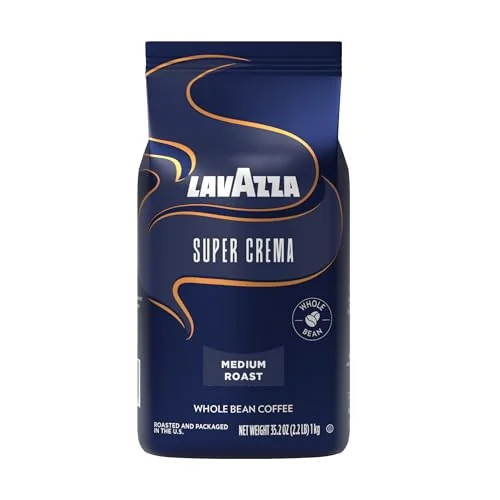
A forgiving, creamy espresso blend with hazelnut sweetness — a home-barista default.
HazelnutBrown sugarHoney
Acidity
Mild
Body
Full
Sweetness
Sweet
Brews: Espresso · Milk drinks
Why this one: Lavazza's Super Crema is the home-barista default for a reason: a medium roast with hazelnut, brown sugar, and honey sweetness, a full body (4/5), and low acidity (2/5) that stays forgiving even when your dial-in isn't perfect. It's built for espresso and milk drinks specifically, so it pulls a thick, sweet crema without going sour. The trade-off is that it's a comfort-zone blend, not a bright, fruit-forward showpiece.
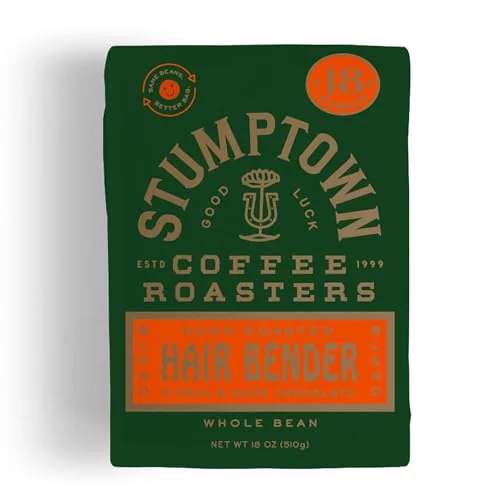
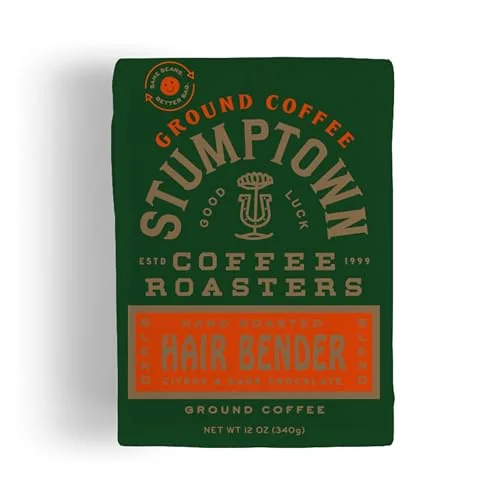
Stumptown's flagship blend — complex and balanced, equally at home as espresso or filter.
Dark cherryCitrusChocolate
Acidity
Lively
Body
Medium
Sweetness
Sweet
Brews: Espresso · Pour-over · Drip
Why this one: Hair Bender is Stumptown's flagship blend and the pick if you want espresso with more going on: dark cherry and citrus alongside the chocolate, at a medium roast that also works as filter. Its higher acidity (4/5) reads as liveliness in the cup rather than harshness, and the balanced body keeps it versatile. Because it leans brighter than a classic dark espresso blend, it's a little less forgiving to dial in than Super Crema.
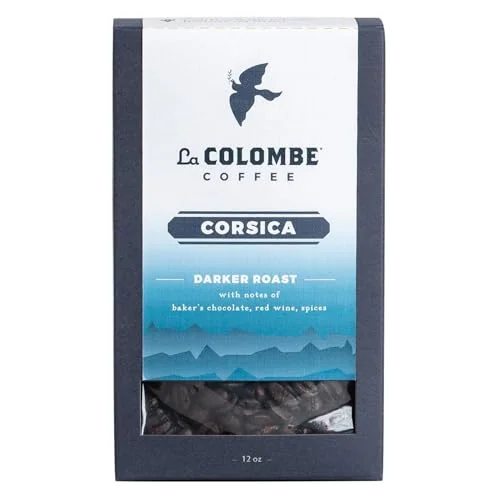
A dark, chocolatey espresso blend that cuts cleanly through milk for cafe-style lattes.
Dark chocolateBrown sugarBold
Acidity
Mild
Body
Full
Sweetness
Sweet
Brews: Espresso · Milk drinks
Why this one: Corsica is a dark, chocolatey espresso blend with brown-sugar sweetness and enough body (4/5) to cut cleanly through steamed milk. Its low acidity (2/5) and roasty depth are exactly what a cafe-style latte or cappuccino wants, so the coffee still tastes like coffee under all that milk. Straight as a shot it's bold and roast-forward, which is great if you like it dark and less ideal if you prefer nuance.
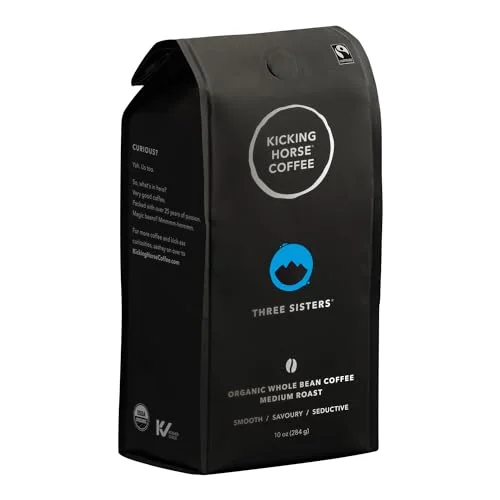
An organic, fair-trade medium roast with easy chocolate-and-nut balance across any brewer.
ChocolateNuttyFruityCaramel
Acidity
Medium
Body
Medium
Sweetness
Sweet
Brews: Drip · Espresso · French pressOrganic
Why this one: Three Sisters is a crowd-pleaser: an organic, fair-trade washed medium roast with chocolate, nutty, fruity and caramel notes, gentle acidity (3/5) and real sweetness (4/5). It pulls an easy, no-drama shot that works in milk drinks, and the same bag brews well as drip or French press. It won't deliver the dense, syrupy body of a dedicated dark espresso blend, and the fruity edge makes it a little livelier than a pure cocoa shot, but that balance is part of what makes it so drinkable.
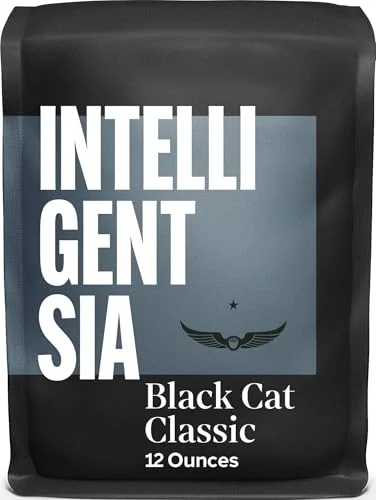
A long-running American espresso blend the roaster describes as syrupy and sweet with cherry and cola notes, and it is a common recommendation for home baristas who want fruit in the cup rather than pure roast.
CherryColaOrange
Acidity
Medium
Body
Full
Sweetness
Sweet
Brews: Espresso · Milk drinks · Moka pot
Why this one: Black Cat Classic is the pick if you want an espresso that tastes of fruit rather than pure roast. Intelligentsia describes it as syrupy and sweet, and its listed notes are cherry, cola and orange at a medium roast, with 4/5 body and 4/5 sweetness keeping that fruit rounded rather than sharp. Acidity sits in the middle at 3/5, so it is livelier than Super Crema but calmer than Hair Bender. It works straight, in milk and in a moka pot. Expect to spend a little more time on grind than with a dark blend.
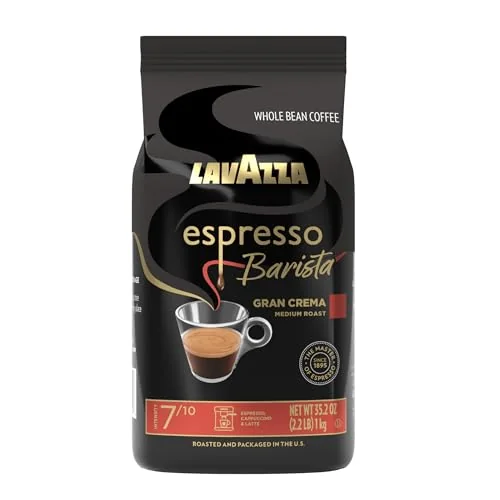
An arabica and robusta espresso blend the roaster describes as intense with dark chocolate and spice, and the robusta share is why owner reviews report thick, persistent crema.
Dark chocolateSpiceToasted nut
Acidity
Mild
Body
Heavy
Sweetness
Balanced
Brews: Espresso · Milk drinks · Moka pot
Why this one: Gran Crema is the one blend here that mixes arabica with robusta, and Lavazza describes it as intense, with dark chocolate and spice. That robusta share is why owner reviews report a thick, persistent crema, and it scores the maximum 5/5 for body with low 2/5 acidity. It is a medium-dark roast built for espresso, milk drinks and moka. The trade-off is sweetness: at 3/5 it is roastier and more bitter-edged than Super Crema, which is the better choice if you drink shots straight.
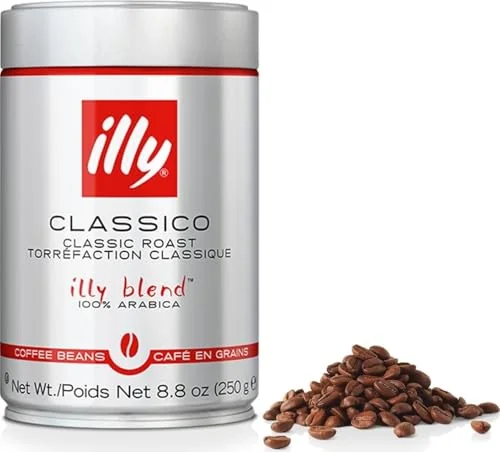
A nine-origin all-arabica Italian blend sold in a pressurised tin, which the roaster describes with caramel and orange blossom notes; the tin is the reason owner reviews report unusually consistent freshness.
CaramelOrange blossomJasmine
Acidity
Medium
Body
Medium
Sweetness
Sweet
Brews: Espresso · Moka pot · Drip · French press
Why this one: Illy Classico is a nine-origin, all-arabica Italian blend sold in a pressurised tin, which is the reason owner reviews report unusually consistent freshness from one can to the next. Illy describes caramel and orange blossom notes, and it is the most balanced bean on this page: 3/5 acidity, 3/5 body, 4/5 sweetness. It is also the only pick here rated for espresso, moka, drip and French press, so it suits a household that pulls shots and brews a pot. It is lighter in body than a dedicated latte blend.
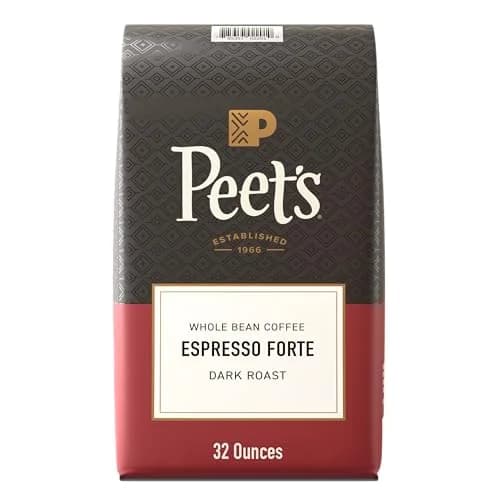
Peet's purpose-built espresso blend, described by the roaster as chocolate and hazelnut with a stout body, and it is the dark-roast counterpoint to lighter espresso blends for anyone who takes milk.
ChocolateHazelnutRoast
Acidity
Mild
Body
Heavy
Sweetness
Balanced
Brews: Espresso · Milk drinks · Moka pot
Why this one: Espresso Forte is Peet's purpose-built espresso blend, described by the roaster as chocolate and hazelnut with a stout body, and it scores the maximum 5/5 for body with 2/5 acidity. That makes it the darkest, heaviest option here and the one most likely to still taste like coffee under a large latte. It is less sweet than Super Crema or Corsica at 3/5, and roast character leads, so it is a milk-drink bean first and a straight-shot bean second.
Pre-ground espresso trades a little freshness for zero equipment. These are the ground versions of coffees this guide already trusts, plus the classic Latin espresso brick.
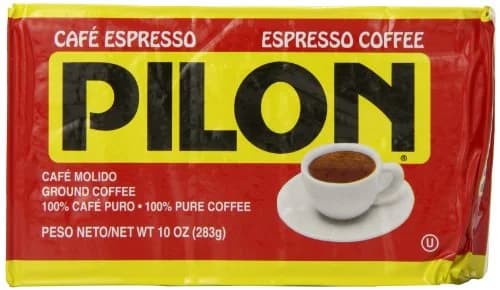
Café Pilon
Espresso Ground Coffee Brick, 10 oz
Dark roast
Vacuum-packed Cuban-style espresso grind, and owner reviews report it is bought mainly for stovetop moka pots and sweetened cafecito rather than drip.
For capsule machines, Nespresso's single-origin Master Origin line gets closest to the flavor axes this guide is built around.
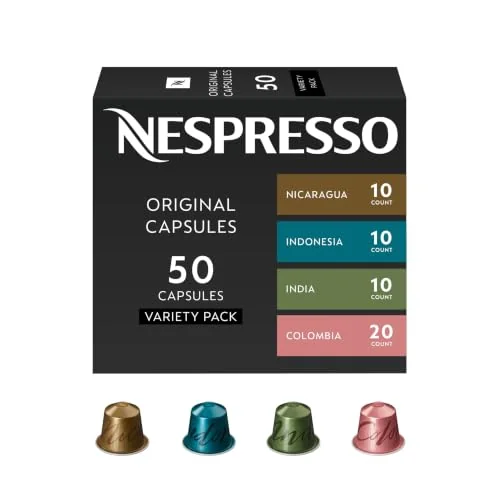
Nespresso
Nespresso Original Master Origin Variety Pack, 50 ct
Medium roast
A single-origin sampler spanning several growing regions in one box, which is the cheapest way to find out whether an Original drinker prefers fruit-forward or spice-forward origins.
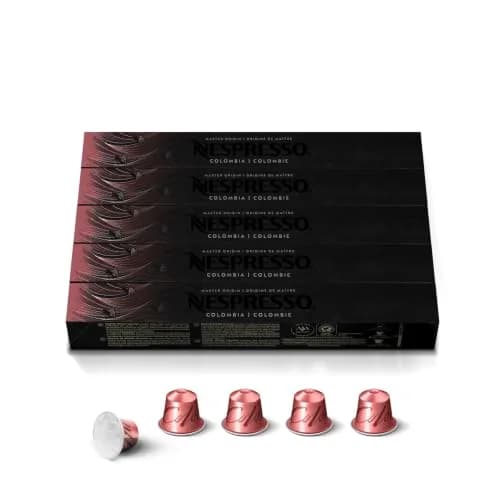
A single-origin Colombian in the Master Origin range, which Nespresso positions as a fruit-forward medium roast rather than another dark Italian-style blend.
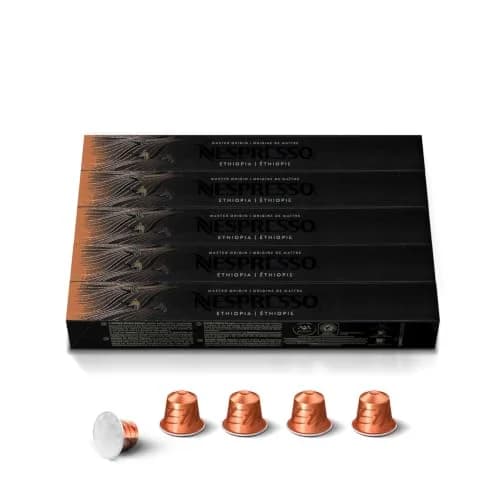
The floral, tea-like end of the Original range and the clearest counterpoint to a dark ristretto, described by the roaster as a mild single-origin Ethiopian.
Start at a 1:2 ratio (18g in, 36g out) over ~28 seconds, and adjust grind finer if it runs too fast and sour, coarser if it drips slow and bitter.
What makes a bean good for espresso
Espresso is a high-pressure, high-concentration brew, so it magnifies whatever is in the bean, including sweetness, body, and any harsh or sour edges. The beans that shine tend to have real sweetness (caramel, chocolate, nuts), a fuller body to stand up to milk, and a roast that's forgiving enough to taste good across a range of grind settings. That's why medium-to-dark blends like Lavazza Super Crema and La Colombe Corsica are such reliable starting points.
Light vs dark roast for espresso
Darker roasts are more soluble and lower in acidity, so they pull a thick, chocolatey, forgiving shot that's easy to dial in — the classic espresso taste most people picture. Light roasts can make extraordinary, fruit-forward espresso, but they're denser and more acidic, demand a finer grind and tighter precision, and taste sour if under-extracted. If you're new to pulling shots, start medium-to-dark and move lighter as you get comfortable.
Freshness and degassing matter
Espresso is more sensitive to bean freshness than almost any other method. Coffee releases CO2 for days after roasting, and very fresh beans (under about four or five days off roast) gush gas that disrupts extraction and channels the puck. Aim to use beans roughly one to three weeks past their roast date, and buy whole bean in amounts you'll finish within a month so you're not pulling shots from stale, flavorless coffee.
Espresso beans vs regular coffee beans
There is no separate espresso plant. An espresso bag holds ordinary coffee that the roaster has blended and roasted with the machine in mind, usually for sweetness, body and a forgiving extraction rather than for bright, delicate acidity. That is why most beans sold as espresso are medium to dark roasts: darker coffee is more soluble, so it extracts easily in a 25 to 30 second shot. Any whole bean can be pulled as espresso, and any espresso blend can be brewed as filter. The label tells you what the roaster optimised for, not what the bean is.
Which bean for lattes, straight shots and americanos
Pick for the drink you make most. For lattes and cappuccinos, body and low acidity matter most, because milk dilutes flavour and amplifies sourness: La Colombe Corsica, Peet's Espresso Forte and Lavazza Super Crema are the strongest choices here. For straight shots, sweetness and complexity matter more than weight, which is where Stumptown Hair Bender and Intelligentsia Black Cat earn their place. An americano is espresso diluted with hot water, so thinness and harshness show up quickly; a balanced, sweet bean like Illy Classico or Kicking Horse Three Sisters tends to hold up best.
Most beans on this page are all-arabica. Lavazza Gran Crema is the exception: it is an arabica and robusta blend, and it is the one owner reviews most often single out for thick crema. Robusta is the other commercially grown coffee species. It is more bitter and carries more caffeine than arabica, and a share of it in a blend adds body and crema at the cost of some sweetness. That is a traditional Italian espresso approach rather than a flaw. If you mostly drink milk drinks, a robusta blend is a reasonable choice; if you drink espresso straight, an all-arabica blend usually tastes cleaner.
Beans for a super-automatic or bean-to-cup machine
A built-in grinder cannot be taken apart and cleaned as easily as a standalone one, so bean choice matters more. De'Longhi's bean-to-cup manuals warn against caramelised or candied beans, which can stick in the grinder, and that includes flavoured coffees. Owners also commonly report that very oily, very dark roasts leave residue in the grinder and bean hopper over time. A medium or medium-dark espresso blend is the safe default for these machines; Super Crema, Three Sisters and Black Cat all fit that brief.
When you buy through links on BrewSift, we may earn an affiliate commission. This is how we fund independent research — it never influences our scores or which products we recommend. How we score & stay independent →
Not sure which is right for you?
The taste quiz narrows it to three picks matched to exactly how you brew and what you like.
Medium-to-dark roasts are the most forgiving and give the classic chocolatey espresso flavor. Light roasts can make stunning espresso but are harder to dial in and taste more acidic.
Can you use any coffee for espresso?
Technically yes — any whole-bean coffee can be ground fine and pulled as espresso. But beans labeled or built for espresso (medium-to-dark, sweet, full-bodied like Lavazza Super Crema or La Colombe Corsica) are far more forgiving and taste better as a concentrated shot. Very bright light roasts can work but are harder to dial in and can taste sour.
How fresh should espresso beans be?
Best results come from beans roughly one to three weeks past their roast date. Too fresh (under about five days) and excess CO2 disrupts extraction; too old (past a month or so) and the coffee goes flat and loses crema. Buy whole bean and grind right before pulling.
Do I need a special espresso grinder?
For espresso, the grinder matters more than the beans. Espresso needs a fine, consistent, adjustable grind, which pre-ground coffee and most blade or basic burr grinders can't deliver. A quality espresso grinder lets you dial in the grind finer or coarser to hit the right extraction — the single biggest upgrade for shot quality.
What ratio should I use for espresso?
A good starting point is a 1:2 ratio — about 18g of coffee in for 36g of espresso out, over roughly 25 to 30 seconds. If the shot runs too fast and tastes sour or thin, grind finer; if it drips slowly and tastes bitter, grind coarser. Adjust one variable at a time.
What kind of coffee beans do you use for an espresso machine?
Whole bean, medium-to-dark, and roasted within the last few weeks. Anything blended for espresso is a safe start — Lavazza Super Crema, La Colombe Corsica and Lavazza Gran Crema are all built for the machine — because they are put together for sweetness and body under pressure rather than for brightness. You do not strictly need espresso-labelled beans, but you do need a grinder that goes fine enough and adjusts in small steps.
Which espresso beans are the sweetest?
Among the picks here, Lavazza Super Crema and Kicking Horse Three Sisters both rate 4 out of 5 for sweetness, and they get there differently: Super Crema through hazelnut, brown sugar and honey at low acidity, Three Sisters through chocolate, caramel and a fruity edge with more liveliness. Illy Classico and Intelligentsia Black Cat also sit at 4. Sweetness in the cup is as much extraction as bean — a sour shot usually needs a finer grind, not a sweeter bag.
What is the difference between espresso beans and regular coffee beans?
Only the roast and the blend. Espresso beans are ordinary coffee that the roaster has blended and roasted for a sweet, full-bodied shot, usually medium to dark. You can pull any whole bean as espresso and brew any espresso blend as drip; the label is the roaster's recommendation, not a different kind of bean.
Can I use Lavazza espresso beans for pour-over or drip?
Yes. Grind them coarser, to a filter or pour-over setting, and brew as normal. Darker espresso blends taste rounder and roastier as filter than a light pour-over coffee would. Of the picks here, Illy Classico, Stumptown Hair Bender and Kicking Horse Three Sisters are the ones rated for filter or drip as well as espresso.
What are the best espresso beans for lattes?
Choose body and low acidity, because milk mutes flavour and exaggerates sourness. La Colombe Corsica, Peet's Espresso Forte and Lavazza Super Crema are the strongest latte beans on this list; Corsica and Super Crema are also sweet enough to drink as a straight shot.
Are oily beans bad for a super-automatic espresso machine?
They can be. De'Longhi's bean-to-cup manuals warn against caramelised or candied beans because they can stick in the grinder, and owners commonly report that very oily dark roasts leave residue in built-in grinders. A medium or medium-dark espresso blend is the safer choice for these machines.
Is robusta good for espresso?
In a blend, it can be. Robusta is more bitter and higher in caffeine than arabica, and a share of it adds body and crema, which is why traditional Italian blends like Lavazza Gran Crema use it. For straight shots most people prefer an all-arabica blend; for milk drinks a robusta blend holds up well.