Low acid coffee is coffee with fewer of the sharp-tasting organic acids than a typical cup. It is never acid-free, since all brewed coffee is mildly acidic, and the term is not regulated, so the label matters less than three things you can check: a darker roast, which breaks down chlorogenic acids as it goes; a naturally low-acid origin such as Sumatra or Brazil; and cold brewing, which extracts fewer acids than hot water. The six best low acid coffee brands below stack at least two of those, for smooth, chocolatey, full-bodied cups without the tang.
Look for: dark or medium roast, low acidity, full body, chocolate & nut notes.
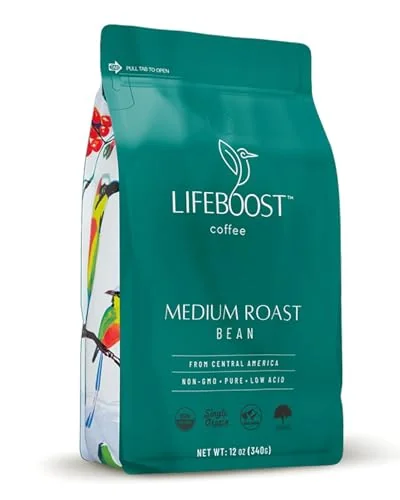
A single-origin Nicaraguan organic roast marketed for low acidity — smooth and easy on the stomach.
ChocolateCaramelSmooth
Acidity
Mild
Body
Medium
Sweetness
Sweet
Brews: Drip · Pour-overOrganic
Why this one: Lifeboost's single-origin Nicaraguan medium roast is marketed specifically for low acidity and sensitive stomachs, and the profile backs it up: chocolate and caramel with a smooth finish, acidity a low 2/5, and a moderate body. It's the pick if brightness is what bothers you, since it stays gentle without going heavy or roasty. The main trade-off is price — at about $28 it's the most expensive bean here.
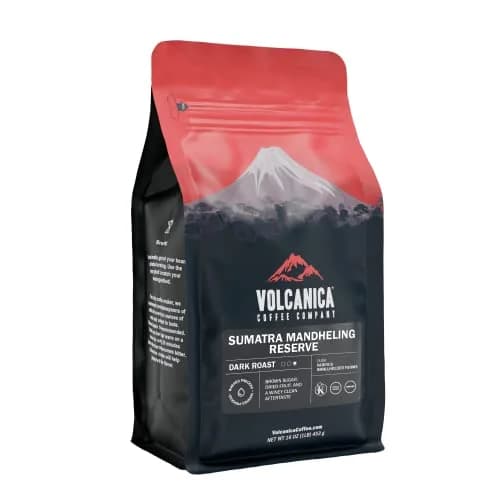
Big, earthy, and full-bodied with almost no acidity — the classic Sumatra profile.
EarthyDark chocolateCedarHerbal
Acidity
Mild
Body
Heavy
Sweetness
Balanced
Brews: French press · Espresso · Cold brew
Why this one: Sumatra Mandheling is the textbook low-acid origin: wet-hulled, dark-roasted, earthy with dark chocolate, cedar, and herbal notes, almost no acidity (2/5) and a huge body (5/5). If you want a low-acid coffee that still feels rich and substantial rather than mild, this is it. That earthy, savory character is polarizing, though — it's a classic profile some people love and others find too rustic.
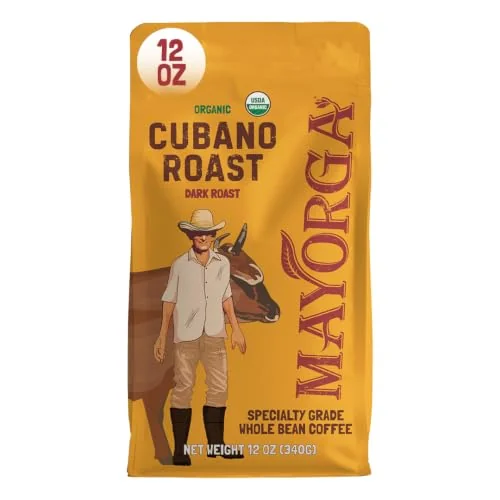
An organic, slow-roasted dark roast — bold and sweet with a notably low-acid finish.
BoldCaramelSmokyLow-acid
Acidity
Mild
Body
Full
Sweetness
Sweet
Brews: Espresso · Drip · Cold brewOrganic
Why this one: Mayorga's Café Cubano is an organic, slow-roasted dark roast that's bold and smoky but finishes notably sweet (4/5) and low in acid (2/5). The slow roast is the trick — it develops caramel sweetness while burning off the sharp acids, so you get a full, satisfying dark cup without the tang. It's a strong all-day choice; just expect a definite dark-roast, roasty character rather than anything delicate.
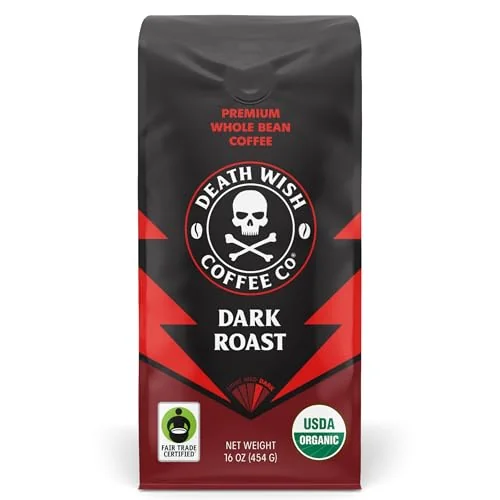
Marketed as the world's strongest coffee — a bold, low-acid dark roast with a big caffeine hit.
BoldSmokyCherryLow-acid
Acidity
Mild
Body
Heavy
Sweetness
Balanced
Brews: Drip · French press · Cold brewOrganic
Why this one: Death Wish is a bold, smoky, organic dark roast with a cherry note and low acidity (2/5), full body (5/5), and a very high caffeine hit. It lands here because that heavy roast strips out most of the acid while delivering maximum intensity. It's the pick for people who want low-acid and strong at once — but the aggressive strength and caffeine make it overkill if you just want a smooth, gentle cup.
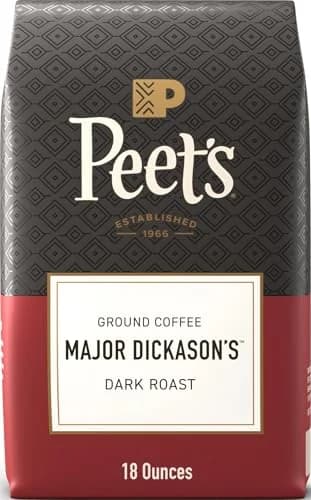
The classic Peet's dark roast — deep, smoky, and full-bodied for people who like it strong.
SmokySpiceDark chocolateBold
Acidity
Mild
Body
Heavy
Sweetness
Balanced
Brews: Drip · French press · Espresso
Why this one: Major Dickason's is the iconic Peet's dark roast: smoky, spicy, dark chocolate, with the lowest acidity on the scale (2/5) and a maximum body (5/5). It's deep and full-bodied for people who like coffee strong, and the heavy roast keeps it smooth rather than sharp. The trade-off is that it's assertively roasty — great if you love that classic bold profile, less so if you find dark roast too smoky.
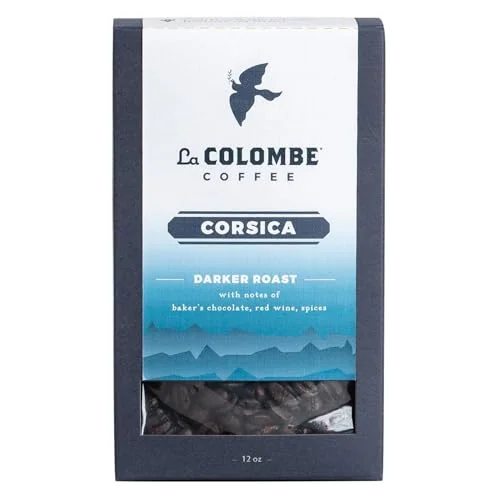
A dark, chocolatey espresso blend that cuts cleanly through milk for cafe-style lattes.
Dark chocolateBrown sugarBold
Acidity
Mild
Body
Full
Sweetness
Sweet
Brews: Espresso · Milk drinks
Why this one: Corsica is a dark, chocolatey espresso blend with brown sugar, low acidity (2/5), and enough body (4/5) to hold up in milk. For a low-acid drinker who mostly makes lattes or cappuccinos, its roasty sweetness cuts through steamed milk beautifully while staying easy on the stomach. It's built for espresso and milk drinks, so it's less of a natural fit if you brew mainly black drip or pour-over.
The same low-acid picks without a grinder: Lifeboost's medium roast ground, an organic K-Cup that blends in darker Indonesian coffee for Keurig brewers, and a cold brew concentrate, since cold brew carries fewer titratable acids than hot coffee made from the same beans.
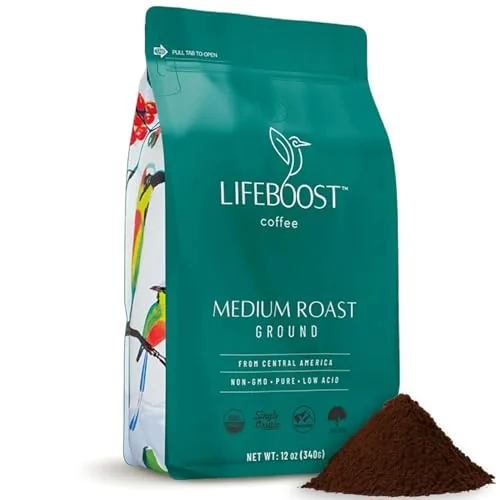
Lifeboost Coffee
Medium Roast Ground, 12 oz
Medium roast
Marketed as a low-acid single-origin organic ground coffee, and owner reviews from people with sensitive stomachs report it sits easier than a standard supermarket roast.
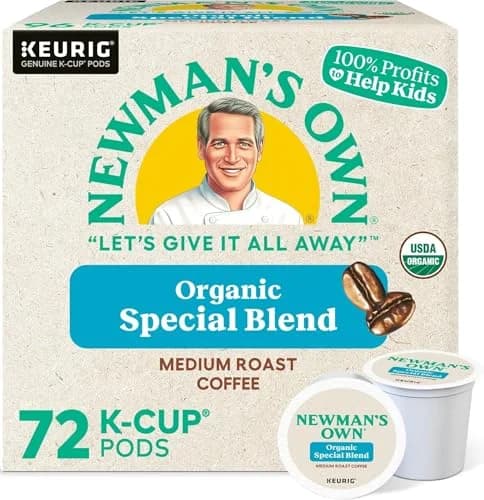
USDA Organic and Fair Trade certified, blending medium-roast Central American with darker Indonesian coffee, which is why owner reviews report it drinking heavier and earthier than a typical supermarket medium.
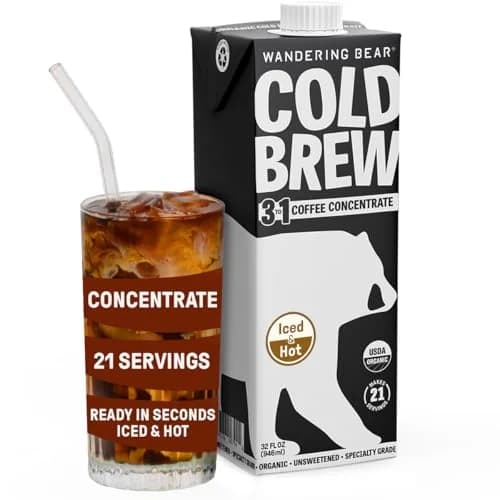
A shelf-stable carton with a spout the brand states dilutes one to three for about 21 servings, which makes it the low-effort route to daily iced coffee.
Cold brew carried fewer titratable acids than hot brew from the same beans in a 2018 Scientific Reports study, so brewing your low-acid beans cold is the easiest way to an even gentler cup.
Why coffee is acidic in the first place
Most of coffee's perceived tang comes from chlorogenic acids and other organic acids naturally present in the green bean. These aren't harmful, and in bright specialty coffee they read as pleasant liveliness, but some people with reflux or a sensitive stomach say they find sharper coffee harder to drink. Low-acid coffee isn't acid-free; it simply contains fewer of these compounds by the time it reaches your cup.
How roast and origin change acidity
Roasting breaks down chlorogenic acids, so the longer and darker the roast, the smoother and less tangy the coffee tastes — which is why nearly every pick here is a medium or dark roast. Origin matters just as much: naturally low-acid regions like Sumatra and Brazil start with less acidity, while Kenya and Ethiopia are prized for being intensely bright. Lifeboost markets its single-origin Nicaraguan coffee as low-acid, which is the brand's claim rather than a property of the region. Pairing a low-acid origin with a darker roast stacks both effects.
How brew method lowers perceived acid
You can make almost any coffee gentler without changing beans. Cold brew, brewed with cold water over 12 to 18 hours, is the one brew method with a study behind it: cold brew made from the same beans carried fewer titratable acids than hot brew in a 2018 Scientific Reports study (Rao and Fuller), though both measured a similar pH of 4.85 to 5.13. A coarser grind, a slightly lower water temperature (around 195°F), and even a pinch of salt or splash of milk all soften perceived tang further. A dark-roast, low-acid-origin coffee made as cold brew is the gentlest combination there is.
The two kinds of low-acid coffee brands
Brands that sell low-acid coffee fall into two camps, and knowing which you're looking at saves a lot of money. The first camp builds the whole product around it: Lifeboost markets its single-origin Nicaraguan coffee specifically for low acidity and sensitive stomachs, credits its high-grown, shade-grown farms for that, and prices accordingly at about $28 a bag. You're paying for the sourcing decision and the guarantee that gentleness was the goal rather than a side effect. The second camp never uses the phrase on the front of the bag but sells low-acid coffee anyway, because a dark roast from a low-acid origin is low-acid by construction. Peet's Major Dickason's, Mayorga Cafe Cubano, Volcanica Sumatra Mandheling, La Colombe Corsica and Cafe Bustelo all land at the bottom of the acidity scale without advertising it, and Bustelo does it for about $7. Worth knowing: low-acid is not a regulated or certified term in coffee the way organic or fair trade are. Nobody audits the claim, and no standard defines a threshold. That means the words on the bag tell you less than three facts you can read off any label: roast level, origin, and process. If a bag says low-acid but the coffee is a light-roast Ethiopian, trust the roast and origin over the marketing.
Brands sold specifically as low-acid, and what each claims
A handful of brands put low-acid on the front of the bag, and they rest the claim on different things, so read each against the same three facts this page uses: roast, origin and process. Lifeboost calls its coffee naturally low-acid and credits how it is grown: shade-grown beans from the mountains of Central America above 5,700 feet, which it says are pH lab tested. Its medium roast is one of the six picks above, but the origin is the brand's own argument rather than one of the classic low-acid regions. Puroast makes the opposite case. It says a patented roasting process, a specific combination of time, temperature and pressure, is what lowers the acid, and that origin is irrelevant. That is a process claim, so neither the roast level nor the origin on the bag lets you check it. Simpatico sells high-grown, shade-grown Mexican coffee and markets its low-acid line to people with acid reflux, heartburn or GERD, without saying on its site what makes it low-acid. Lucy Jo's product page calls its Mellow Belly blend its original and best-selling low-acid coffee, again without naming a mechanism. When a brand gives no reason, the roast and origin printed on the label are still the most useful evidence you have, and nobody audits any of these claims.
Why no coffee is acid-free, and what pH actually tells you
There is no such thing as acid-free coffee, and any product claiming to be is either using the phrase loosely or is not coffee. Brewed coffee is mildly acidic by nature: a 2018 study in Scientific Reports (Rao and Fuller) measured hot and cold brews between pH 4.85 and 5.13, which puts it in similar territory to many everyday foods and well above genuinely sharp things like citrus juice or vinegar. A dark roast shifts a little toward the neutral end of that range, but the movement is modest. What people call low-acid coffee is coffee with fewer of the specific organic acids that read as tang, not coffee with the acid removed. The more useful distinction is that perceived acidity and measured pH are related but not the same thing. Perceived acidity is a taste sensation produced mainly by which acids are present and how sweetness and body balance them; pH is a single number describing the concentration of hydrogen ions. Two coffees can measure nearly the same pH while one tastes bright and lemony and the other tastes flat and earthy, because sweetness and heavy body mask acidity on the palate. So chasing a pH figure is the wrong search. What you actually want is a coffee that both measures toward the gentle end and tastes smooth, which is what the roast-plus-origin combination delivers.
What genuinely sits at the bottom of the acidity range
If you want the actual floor rather than just something gentler than average, the effects stack. Start with process. Sumatra's wet-hulled method, where beans are hulled at unusually high moisture content, is the single most reliable producer of low-acid, heavy-bodied, earthy coffee anywhere in the world. It is why Volcanica Sumatra Mandheling rates a 2 out of 5 for acidity with a maximum 5 out of 5 body. Brazilian naturals are the other classic low-acid origin, generally nutty and chocolatey rather than bright. Layer a dark roast on top of a low-acid origin and you break down more of the chlorogenic acids that were already scarce. A slow dark roast like Mayorga's does this while building caramel sweetness, which further masks whatever tang survives. Then choose the brew. Cold brew made from the same beans carried fewer titratable acids than hot brew in a 2018 Scientific Reports study (Rao and Fuller), though both measured a similar pH of 4.85 to 5.13. The genuine bottom of the range is a dark-roast wet-hulled Sumatra brewed as cold brew, which is about as smooth as coffee gets. One thing that does not help: decaf. Removing caffeine does not meaningfully lower acidity, so a decaf light roast can still taste sharp.
Getting low acid without ending up with a flat cup
The real complaint about low-acid coffee is that it tastes like nothing. That happens because the cheapest route to low acidity is roasting until the acids are simply burned off, which also destroys the sugars and aromatics that made the coffee interesting. You get ash and bitterness instead of tang, which is not an upgrade. Two things separate a smooth coffee from a dull one. The first is sweetness. Look for a coffee rated low on acidity but high on sweetness, which signals the roaster developed caramelisation rather than just going dark. Mayorga Cafe Cubano is the clearest example here, pairing 2 out of 5 acidity with 4 out of 5 sweetness through a slower roast. The second is body. A low-acid coffee with thin body genuinely does taste empty, because acidity was the only thing giving it structure. Full-bodied picks like Volcanica Sumatra or Peet's Major Dickason's feel substantial in the mouth even with the brightness gone. If you dislike smoky dark roast entirely, the medium-roast route works: a medium roast sold as low-acid, like Lifeboost's Nicaraguan, keeps chocolate and caramel without the char. Finally, rule out stale coffee. Old beans taste flat and lifeless, and that is frequently mistaken for a low-acid coffee being boring.
When you buy through links on BrewSift, we may earn an affiliate commission. This is how we fund independent research — it never influences our scores or which products we recommend. How we score & stay independent →
Not sure which is right for you?
The taste quiz narrows it to three picks matched to exactly how you brew and what you like.
Low acid coffee is coffee with fewer of the organic acids, chlorogenic acids above all, that give a cup its sharp, tangy edge. It is a description rather than a certification: no standard defines it and nobody audits the claim. Three things make a coffee low-acid in practice. Roast: a 2024 study in the journal Foods (Kim and colleagues) describes how chlorogenic acid breaks down during roasting, so its content falls as the roast gets darker. Origin: Sumatra and Brazil start out gentler than bright Kenyan or Ethiopian coffees. Brew: a 2018 study in Scientific Reports found hot-brewed coffee carried more titratable acids than cold brew made from the same beans, though both measured a similar pH. The best low acid coffees on this page combine a darker or medium roast with a low-acid origin.
Which low acid coffee brands are actually low in acid?
Brands that either start from naturally low-acid origins — Sumatra, Brazil — or roast dark, which breaks down the acids: on our list Volcanica's Sumatra Mandheling, Mayorga's Café Cubano and Death Wish all fit, Lifeboost's medium roast is marketed specifically as low-acid, and Peet's Major Dickason's is the everyday dark roast that reads smooth. Brands marketed as "low acid" through treatment rather than bean choice are harder to judge from the label; the origin and roast level tell you more.
Does dark roast really have less acid?
Yes — longer roasting breaks down chlorogenic acids, so darker roasts taste smoother and less tangy. Origin matters too: Sumatra and Brazil are naturally low-acid, while Kenya and Ethiopia are very bright.
Which coffee brands have the lowest acidity?
The smoothest, lowest-acid picks tend to be dark-roast, low-acid-origin coffees: Lifeboost medium (marketed specifically as low-acid), Volcanica Sumatra, Mayorga Café Cubano, and Peet's Major Dickason's. Any dark-roast Sumatra or Brazil single origin is a safe bet.
How can I make my coffee less acidic without changing beans?
Change the brew. Cold brew made from the same beans carried fewer titratable acids than hot brew in a 2018 Scientific Reports study, though both measured a similar pH; a coarser grind and a slightly lower water temperature (around 195°F) also pull fewer acids. Adding a pinch of salt or a splash of milk further softens perceived tang.
Is low-acid coffee better for acid reflux or a sensitive stomach?
Some people with reflux or a sensitive stomach report that darker, low-acid coffee sits better, and there is limited lab evidence behind the idea. A 2014 study in Molecular Nutrition and Food Research (Rubach and colleagues) found a dark roast blend stimulated less stomach acid in nine healthy volunteers than a medium roast market blend, and linked the difference to compounds that roasting creates and destroys rather than to pH. It was a small study in people without reflux, so treat it as a reason to try a dark roast, not as a treatment. If reflux is a medical problem for you, ask your doctor.
Does low-acid coffee have less caffeine?
No — acidity and caffeine are unrelated. A smooth, low-acid dark roast like Mayorga Café Cubano has roughly the same caffeine as a bright light roast, and a bold low-acid coffee like Death Wish is actually very high in caffeine. If you want low acid and low caffeine, look for a low-acid decaf instead.
What coffee has the lowest acidity?
Dark-roast, wet-hulled Sumatra is the reliable answer, which is why Volcanica Sumatra Mandheling sits at 2 out of 5 acidity with maximum body. Sumatra's wet-hulled processing produces earthy, low-acid coffee before roasting even begins, and a dark roast lowers it further. Peet's Major Dickason's and Mayorga Cafe Cubano land in the same place through heavy or slow roasting. To go lower still, change the brew rather than the bean: cold brew made from the same beans carried fewer titratable acids than hot brew in a 2018 Scientific Reports study, though both measured a similar pH, and that combination is about as gentle as coffee gets.
Is there such a thing as acid-free coffee?
No. All brewed coffee is mildly acidic, generally around pH 4.8 to 5.1, and nothing sold as coffee is acid-free. Products using that phrase mean low-acid, which is a real but unregulated description. What varies is how much of the tangy organic acids survive into your cup, and that is set by origin, roast level and brew method rather than by any special process that removes acid. If sharp coffee bothers your stomach, a dark roast from a low-acid origin brewed as cold brew is the practical version of what acid-free coffee is trying to promise.
Is Lifeboost worth the price versus a cheap dark roast?
It depends on why you want low acid. Lifeboost costs about $28 against about $7 for Cafe Bustelo, and both are low on the acidity scale. What the extra money buys is a medium roast that Lifeboost grows and sells specifically as low-acid, so you get chocolate and caramel sweetness without the smoky, roasty character that a cheap dark roast uses to get there. If you find dark roast harsh or ashy, that difference matters. If you already enjoy a bold, smoky cup, an inexpensive dark roast gets you most of the way on acidity for a fraction of the price.
What is the best-tasting low-acid coffee if you dislike dark roast?
Choose a low-acid origin at medium roast instead of pushing the roast darker. Lifeboost's Nicaraguan medium roast is the clearest example here: acidity stays at 2 out of 5, but you get chocolate and caramel rather than smoke. The principle is that acidity can come down through origin and processing instead of through char. Also look for sweetness alongside low acidity, since a coffee rated low on both usually tastes hollow. Mayorga Cafe Cubano is the exception among the dark roasts, pairing low acidity with real caramel sweetness from a slower roast.
Does grinding or water temperature affect how acidic coffee tastes?
Yes, and more than most people expect. Acids extract early and fast, so anything that speeds extraction pushes them forward. A finer grind and hotter water pull more acidity into the cup; a coarser grind and water closer to 195F pull less. If your current coffee tastes sharper than you want, try grinding a step coarser and letting the kettle sit thirty seconds off the boil before you brew anything new.
Is Café Bustelo low acid?
Café Bustelo does not market its espresso ground as low-acid, and there is no certified or regulated meaning behind that phrase anyway, so treat the absence of the claim as normal rather than as evidence against it. What the can does tell you is the two things that actually set acidity: it is a dark roast, and it is a Cuban-style espresso grind. Dark roasting breaks down the chlorogenic acids that read as tang, which is why our catalog rates Bustelo 2 out of 5 for acidity — the same score as Peet's Major Dickason's and Volcanica Sumatra Mandheling. So it behaves like a low-acid coffee at about $7, but it gets there through roast level rather than any special process, and it is bold, smoky and molasses-sweet rather than mellow. If it still tastes sharp in a drip machine, the fine grind is over-extracting — brew it in a moka pot or as cold brew instead.
Is there such a thing as light roast low acid coffee?
Barely, and it is working against itself. Roasting is what breaks down the chlorogenic acids that read as tang, so a light roast keeps more of them by definition — which is why none of the picks on this page is a light roast. Bags sold as light-roast low-acid are leaning on origin alone, which helps but cannot undo the roast level. The better route to a gentle cup that does not taste smoky is a medium roast sold specifically as low-acid: Lifeboost's Nicaraguan medium roast is the example here, at 2 out of 5 acidity with chocolate and caramel instead of char. If you specifically want light-roast brightness and a calmer stomach, change the brew rather than the bean: cold brew made from the same beans carried fewer titratable acids than hot brew in a 2018 Scientific Reports study, and that study used light roasts.
Which low acid coffee brands are organic?
Three of the six picks here are organic: Lifeboost's medium roast, Mayorga Cafe Cubano and Death Wish. Lifeboost is also the one marketed specifically for low acidity and sensitive stomachs; Mayorga gets there with a slow dark roast and keeps real caramel sweetness; Death Wish is the bold, very high-caffeine option. Volcanica Sumatra Mandheling and Peet's Major Dickason's are low-acid by roast and origin but are not listed as organic here.
Can I buy low acid coffee ground?
Yes. Lifeboost's medium roast is listed in the ground section of this page as a 12 oz ground bag, with a cold brew concentrate alongside it, since cold brew carries fewer titratable acids than hot coffee from the same beans. Whole bean stays fresher for longer and lets you grind coarser for a gentler cup, but a sealed ground bag you finish within a couple of weeks is fine. The same section has an organic K-Cup for Keurig brewers.