Coffee Grind Size by Brew Method: A Deep Dive
Grind size controls how fast water pulls flavor out of coffee, so it has to match the brewer. Fast, high-pressure methods like espresso need a fine grind; long-steep methods like French press and cold brew need a coarse one. The rule is simple: the more contact time and the higher the pressure, the coarser you go. Too fine over-extracts into bitterness; too coarse under-extracts into sour, weak coffee.
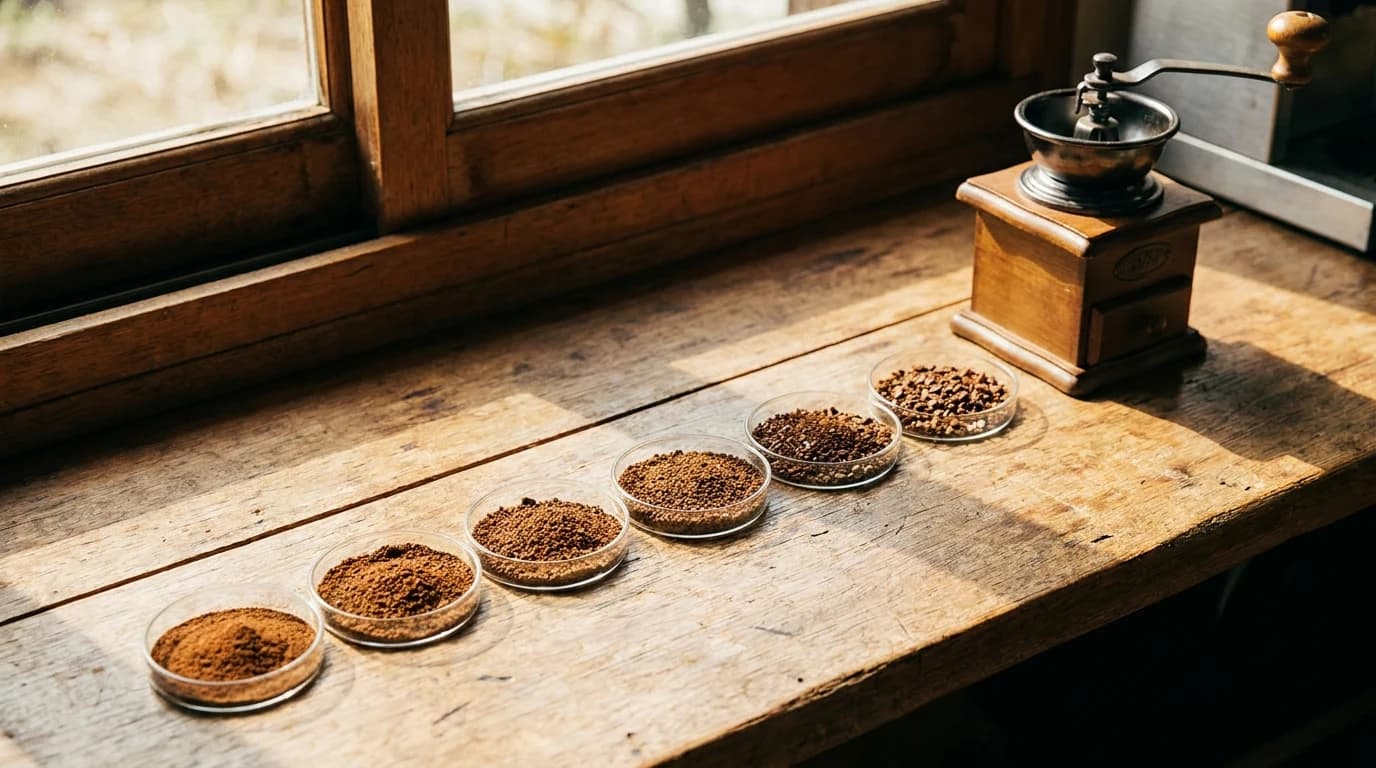
Key takeaways
- Three variables set the right grind: contact time, pressure, and how fine the filter is. Grind is the lever you use to compensate for all three.
- Short contact or high pressure wants fine coffee; long immersion wants coarse coffee. That single trade-off explains the whole spectrum from Turkish to cold brew.
- Bitter, harsh, and clogged usually means too fine and over-extracted. Sour, thin, and weak usually means too coarse and under-extracted.
- A burr grinder produces uniform particles so extraction is even; a blade grinder makes dust and boulders at once, which no grind setting can fix.
Grind size is the most powerful dial in coffee, and it is the one most people leave on default. Change nothing else and a bag of beans can taste sharp and sour or heavy and bitter depending only on how fine you ground it. This is the deeper companion to our grind size chart and the interactive grind size tool: instead of just telling you where to set the dial, it explains why each method wants what it wants, so you can troubleshoot any brewer from first principles.
The one rule behind every grind
Brewing is extraction: hot water dissolves flavor out of coffee particles. Three things decide how fast that happens, and grind is how you compensate for all three.
- Contact time. The longer water sits on the grounds, the more it pulls out. Long steeps need coarse coffee so they do not over-extract; fast brews need fine coffee to extract enough before the water leaves.
- Pressure. Forcing water through under pressure speeds extraction dramatically, so pressurized methods need a fine, tightly packed bed to slow the flow to the right pace.
- Filter type. A thick paper filter slows the drawdown and traps fines, so it tolerates a coarser grind. A metal mesh lets everything through, so it wants coarser coffee to avoid sludge.
Grind size is simply the knob that balances these against each other. Finer means more surface area and faster extraction; coarser means less surface area and slower extraction.
The one line to remember: sour usually means go finer, bitter usually means go coarser. Our guide to why coffee tastes sour walks through that half of the problem in detail.
Method by method
| Method | Grind | Texture reference | Why | Classic mistake |
|---|---|---|---|---|
| Turkish | Extra-fine | Powdered sugar / flour | Boiled unfiltered; particles must stay suspended | Not fine enough, gritty and thin |
| Espresso | Fine | Table salt, slightly finer | ~9 bar, 25 to 30 sec; needs surface area fast | Too coarse, sour and gushing shots |
| Moka pot | Fine-medium | Between espresso and table salt | Low steam pressure, short contact | Too fine, clogs and turns bitter |
| AeroPress | Medium-fine (flexible) | Fine table salt | Short brew, but recipe-dependent | Wrong grind for the chosen recipe |
| Pour-over (V60) | Medium-fine | Table salt | ~2 to 3 min drip through cone | Too fine, stalls and over-extracts |
| Drip machine | Medium | Coarse sand | Flat bed, moderate 4 to 6 min contact | Too fine, bitter and slow drawdown |
| Chemex | Medium-coarse | Coarse sand to sea salt | Thick filter slows flow, needs faster grind | Too fine, filter clogs for good |
| French press | Coarse | Sea salt | ~4 min full immersion, metal mesh | Too fine, muddy and bitter with silt |
| Percolator | Coarse | Sea salt | Water recirculates repeatedly | Too fine, harsh and over-brewed |
| Cold brew | Extra-coarse | Cracked peppercorns | 12 to 24 hr steep | Too fine, bitter and hard to filter |
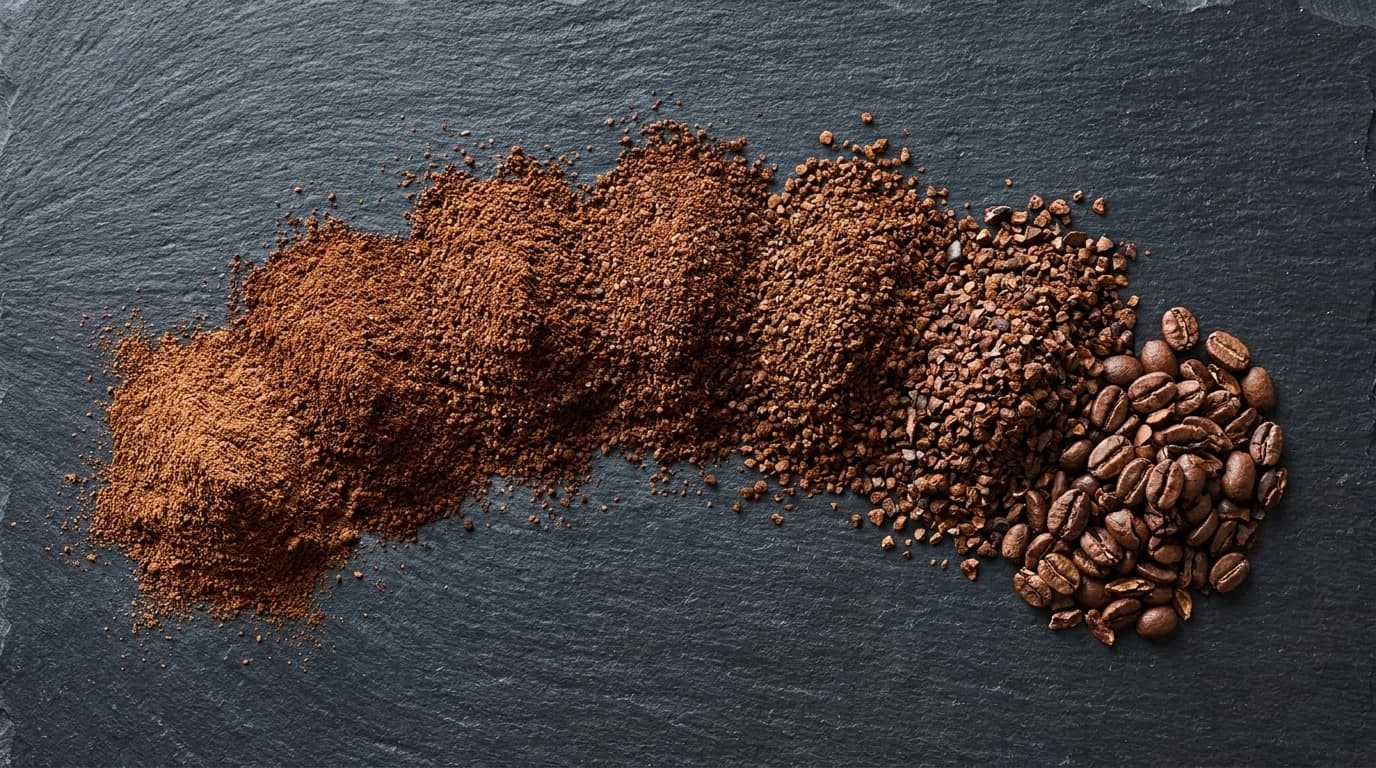
The pattern running down that table is worth naming:
- Contact time and grind move in opposite directions. Turkish (seconds, unfiltered) is the finest; cold brew (many hours) is the coarsest.
- Pressure pulls the grind finer. Espresso and moka sit fine because something is forcing water through.
- A thicker filter pushes the grind coarser. Chemex is the clearest case: same brew shape as a V60, a step coarser purely because of the paper.
Espresso: fine, because pressure and time are extreme
Espresso is the tightest constraint in coffee. Around 9 bar of pressure pushes water through a compacted puck in roughly 25 to 30 seconds. To extract a full shot in that sliver of time, water needs enormous surface area to grab, so the grind is fine, near table salt but slightly finer. Too coarse and the water gushes through in a pale, sour blonde stream; too fine and it chokes, dripping out bitter and dark. This is the method where a small grind change moves the cup the most, which is why a dedicated espresso dial-in tool is worth using.
Moka pot: fine-medium
A stovetop moka pot uses steam pressure, far gentler than an espresso machine, so it sits just coarser than espresso. Go too fine and the low pressure struggles to push through, stewing the coffee into bitterness. Our moka pot bitterness fix covers this in depth.
AeroPress: flexible medium-fine
The AeroPress is the chameleon. A short, espresso-style recipe wants a finer grind; a longer, immersion-style steep wants something closer to pour-over. There is no single answer, only a grind matched to the recipe you are running. Our AeroPress vs French press guide covers why the paper filter makes it so forgiving.
Pour-over and drip: medium-fine to medium
A V60 cone drips through in a few minutes with a thin paper filter, so medium-fine is the sweet spot. An automatic drip machine holds a flatter, deeper bed for longer, so it steps coarser to medium. Go too fine in either and the bed stalls, over-extracting into bitterness.
Chemex: medium-coarse for a thick filter
The Chemex uses a filter far thicker than a standard cone. That paper slows the drawdown so much that a medium grind would clog it and back up. Going medium-coarse restores a healthy flow rate, which is a clean example of the filter, not just the brewer, setting the grind.
French press and percolator: coarse
A French press is full immersion for about four minutes behind a metal mesh, so it wants a coarse, even grind. Too fine and fine particles slip through the screen, leaving silt and a bitter, muddy cup. A percolator recirculates water through the grounds repeatedly, so it likewise needs a coarse grind to avoid over-brewing.
Why metal mesh forces coarse: paper catches fines, metal does not. Anything smaller than the screen ends up in your cup, still extracting while you drink it.
Cold brew: extra-coarse
Cold brew steeps for 12 to 24 hours. With that much contact time, only the coarsest grind avoids a harsh, over-extracted concentrate, and a coarse grind also filters far more cleanly. See how to make cold brew concentrate and the cold brew makers category for gear.
Turkish: extra-fine powder
Turkish coffee is the opposite extreme from cold brew. The grounds are boiled directly in the water and never filtered, so they must be ground to a flour-like powder that stays suspended and settles slowly. It is finer than espresso and beyond the reach of most home grinders, which is why Turkish setups usually pair the cezve with a dedicated Turkish mill.
Check before you buy for Turkish: many hand grinders and most electric filter grinders simply do not go fine enough, and forcing them there produces an uneven powder rather than a true Turkish grind.
Reading the result
Signs you are too fine for the method:
- The brew stalls, drips, or backs up in the filter
- Bitter, drying, ashy finish
- Silt or mud in the bottom of the cup
Signs you are too coarse:
- The brew runs through fast and pale
- Sharp, sour, thin flavor with no sweetness
- Weak body even at a normal ratio
The grinder matters more than the setting
None of this works on a blade grinder. Blades chop randomly, producing dust and boulders in the same batch, so the fines over-extract into bitterness while the chunks under-extract into sourness, in one cup. A burr grinder crushes beans to a uniform size, which is what makes consistent extraction possible at all. That consistency, more than any single dial, is why we cover it in blade vs burr grinder taste and stock recommendations in the grinders category. Dial in the grinder first; everything else follows.
Your next step
Need a grinder that actually holds its setting?
Grinders that reach both ends of the chart
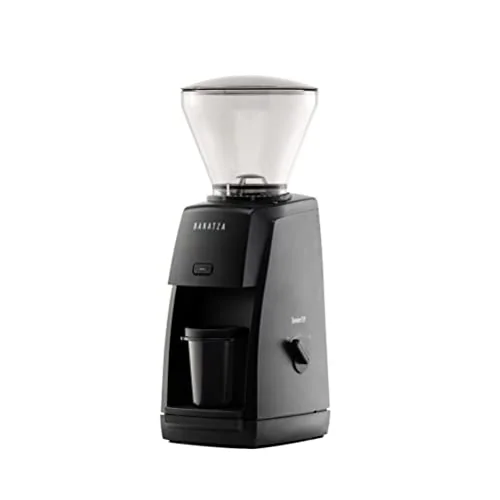
Encore ESP
The grinder most people should buy first — it does espresso and filter, and Baratza will fix it forever.
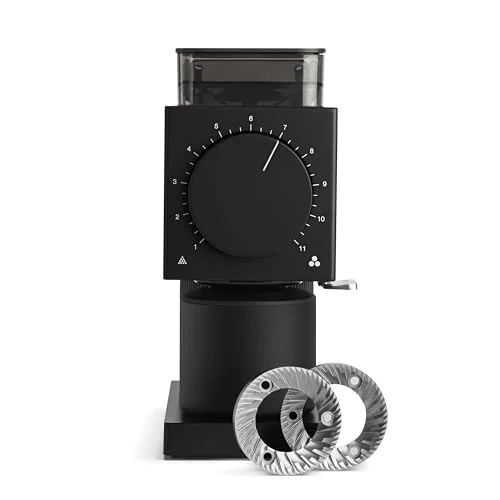
Ode Gen 2
The best filter-only grinder: 64mm flat burrs, near-zero retention, and an exceptionally clean cup.
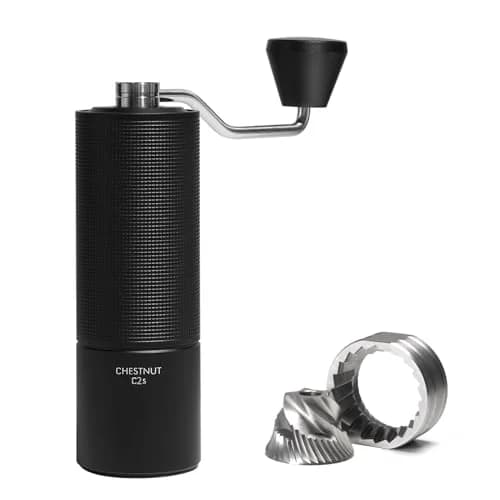
Chestnut C2S
The budget hero — steel burrs and a clean filter grind for the price of a few bags of beans.
BrewSift earns a commission on qualifying purchases made through these links, at no extra cost to you. Prices shown were checked on publication and change often.
FAQ
Why does espresso need a much finer grind than French press?
Espresso pushes water through the coffee in around 25 to 30 seconds under roughly 9 bar of pressure, so the water needs a lot of surface area to grip in that short time, which means a fine grind. French press steeps for about four minutes with no pressure, so a coarse grind gives water all the contact it needs without over-extracting.
Can I use one grind size for every brew method?
Not well. A medium grind is a passable compromise for drip and pour-over, but it will choke an espresso machine and run weak and sour in a French press. Because each method has different contact time and pressure, each has its own ideal grind, which is exactly why an adjustable burr grinder matters.
My coffee tastes bitter. Is my grind too fine or too coarse?
Bitter, harsh, and drying almost always means the grind is too fine for the method, so the water is over-extracting. Try going coarser one step at a time. If instead the coffee tastes sour, sharp, and thin, the grind is too coarse and under-extracting, so go finer.
Does a blade grinder really matter if I set it right?
There is no right setting on a blade grinder because it chops randomly, producing fine dust and coarse chunks at the same time. The dust over-extracts while the chunks under-extract, so the same cup tastes both bitter and sour. A burr grinder crushes beans to a uniform size, which is why it makes a bigger difference than most upgrades.
How fine is fine enough for Turkish coffee?
Turkish coffee uses the finest grind of any method, finer than espresso and closer to powdered sugar or flour. The coffee is boiled directly in the water and never filtered, so the particles have to be fine enough to stay suspended and settle slowly. Most home grinders cannot reach that texture, which is why Turkish is traditionally ground on a dedicated hand mill.