Why Is My Coffee Sour? Fixes for Every Brew Method
Sour coffee is almost always under-extraction: the water didn't dissolve enough flavor from the grounds before the brew ended. The usual culprits are a grind that is too coarse, water below about 195F, too short a brew time, or too little coffee for the water. Grind finer, brew hotter, or let it steep longer and the sourness fades into sweetness.
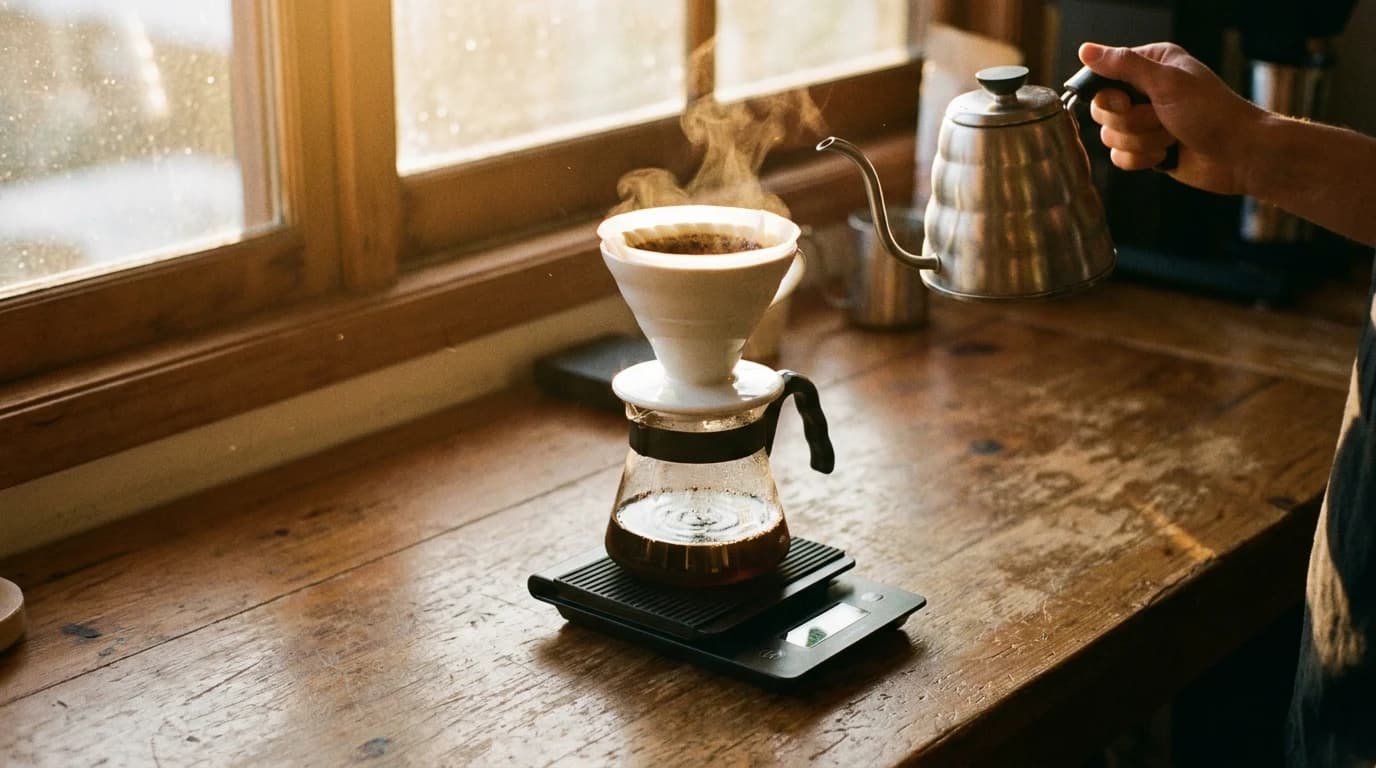
Key takeaways
- Sour equals under-extraction (tart, sharp, lemony); bitter equals over-extraction (harsh, dry, ashy). They are opposite problems with opposite fixes.
- The four biggest levers are grind size, water temperature, brew time, and coffee-to-water ratio. Change one at a time so you know what worked.
- Light roasts are denser and give up flavor slowly, so they sour more easily and usually want a finer grind and hotter water.
- Fix by method: drip and pour-over want hotter water and a finer grind, immersion brewers want a longer steep, and cold brew simply needs more time.
Take a sip and your face scrunches: the coffee is sharp, tart, lemony, almost sour like green apple or vinegar. That flavor has one main cause across every brewer you own. It is under-extraction — the water didn't dissolve enough flavor from the grounds before the brew ended, so the bright, acidic notes that come out first dominate and the sweeter, rounder notes that come out later never arrive.
The good news: sourness is one of the most fixable problems in coffee. Once you know which lever to pull, you can usually turn a sour cup sweet with a single change.
Sour vs. bitter: opposite problems
Before you fix anything, make sure you have the right problem. Sour and bitter are opposite ends of the extraction scale, and treating one like the other makes things worse.
| Symptom | What it means | Direction to move |
|---|---|---|
| Sharp, tart, lemony, makes your mouth water | Under-extracted (too little pulled out) | Extract more |
| Harsh, dry, ashy, lingers at the back | Over-extracted (too much pulled out) | Extract less |
| Thin, watery, weak but not sharp | Too weak a ratio | Use more coffee |
The timing tell: sourness shows up fast and at the front of the sip. Bitterness lingers on the finish. If the sensation is gone before you swallow, you are under-extracting.
If your espresso specifically is the problem, the diagnosis is the same but the dials differ — see our dedicated guide on sour vs. bitter espresso, because espresso extraction moves on grind and dose in ways drip brewing does not.
The four levers that fix sour coffee
Every brew method extracts flavor through the same four variables. When coffee tastes sour, one of these is holding extraction back.
- Grind size. Coarser grounds expose less surface area, so water pulls out less. A grind too coarse for your method is the most common cause of sour coffee. Grinding one step finer is usually the first thing to try. Our grind size tool shows the target texture for each brewer.
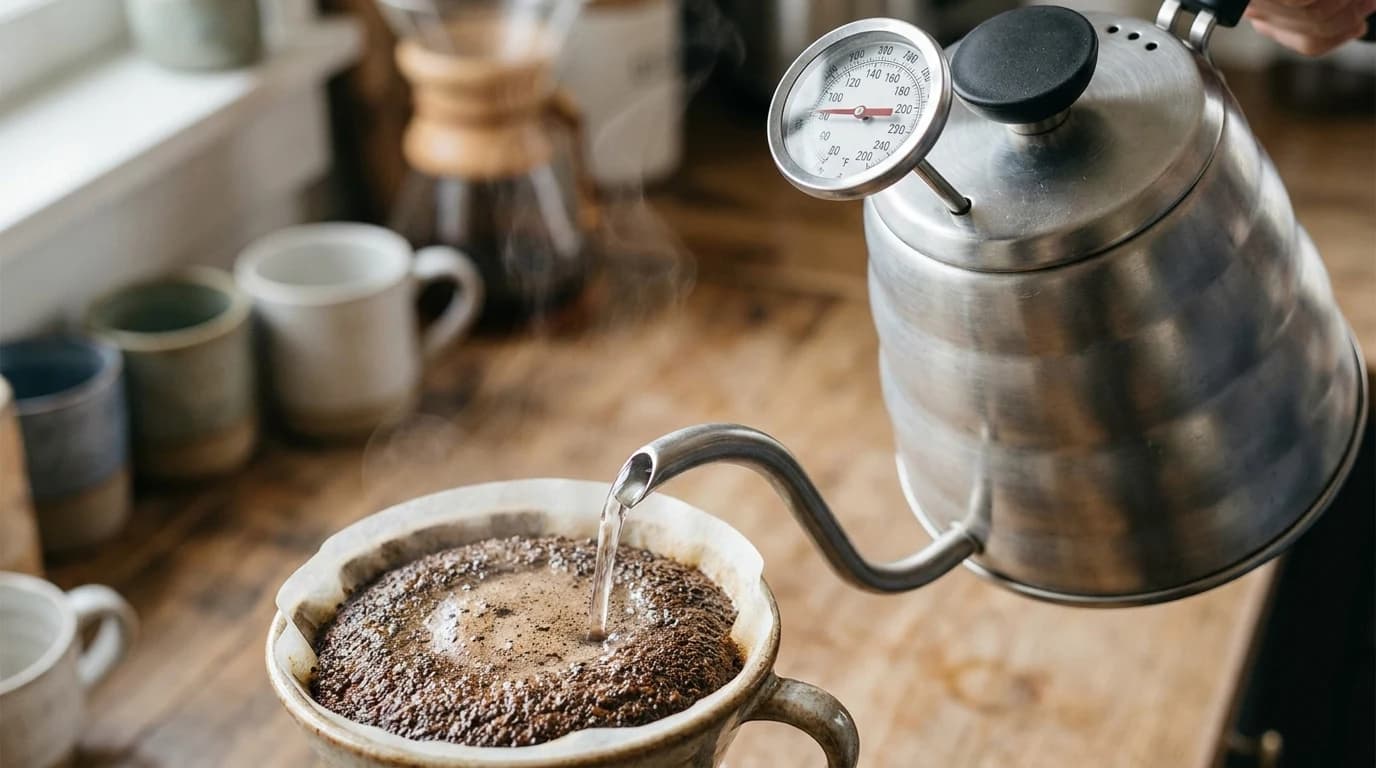
- Water temperature. Below about 195F, water struggles to dissolve the heavier, sweeter compounds and the cup skews sour. The SCA recommends brewing between roughly 195F and 205F. A gooseneck kettle with a temperature gauge makes this repeatable; without one, boil and rest for about 30 seconds.
- Brew time. End the brew too early and you stop before sweetness develops. This matters most for immersion methods like French press and AeroPress, where steep time is the whole game.
- Ratio. Too little coffee for the water gives a weak, sharp cup. The SCA golden-cup range is about 1:15 to 1:18 (grams of coffee to grams of water). Our coffee ratio tool does the math for any batch size.
Change one lever at a time
Change one lever at a time. If you grind finer, raise the temperature, and add coffee all at once, you learn nothing about which one mattered.
Fixes by brew method
The lever that matters most depends on how your brewer works. Percolation methods (water passes through) live and die by grind and temperature; immersion methods (grounds soak) live and die by time.
| Method | Most likely cause of sourness | First fix to try |
|---|---|---|
| Drip machine | Water not hot enough, or grind too coarse | Grind finer; check the machine actually hits ~200F |
| Pour-over (V60, Kalita) | Grind too coarse, or pour too fast | Grind finer; pour slower and more evenly |
| French press | Steep too short, or grind too coarse | Steep the full 4 minutes; grind a touch finer |
| AeroPress | Water too cool, or steep too short | Use hotter water; extend steep by 30 to 60 seconds |
| Cold brew | Not enough time | Steep 12 to 18 hours; use plenty of coffee |
The per-method traps
- Drip machines are a common hidden culprit. Many budget machines never reach brewing temperature, so no grind adjustment fully rescues them. If yours brews lukewarm, that is your sour source.
- Pour-over rewards a slow, even pour — dumping water fast creates channels that let some grounds sit under-extracted.
- French press sourness usually means you plunged early; give it the full four minutes.
- AeroPress is forgiving, but cool water and a rushed steep both push it sour; a longer bloom and steep fix most cups.
- Cold brew cannot be rushed at all — cold water extracts slowly, so a sour batch almost always needs more time, not a finer grind. Our cold brew concentrate guide covers the ratio and steep math.
Don't forget the beans
Light roasts sour more easily
Sometimes the brew is fine and the beans are the issue. Light roasts are denser and less soluble than dark roasts, so they give up their flavor slowly and sour more easily. If you switched to a bright single-origin light roast and everything suddenly tastes sharp, grind finer and brew hotter to compensate — the same brew settings that worked for a dark roast will under-extract a light one.
Freshness plays a smaller role
Freshness plays a smaller role than people assume. Truly stale beans tend to go flat, papery, and cardboard-like rather than bright and sour. That said, very freshly roasted beans that haven't rested a few days can taste sharp and unsettled. If your grind, temperature, and time are all dialed in and the cup is still sour, try a different bag before you keep chasing the machine.
For a deeper walkthrough of reading grind size from taste alone, our grind size chart and dial-in guide maps each flavor symptom to the adjustment that fixes it.
The 30-second diagnosis
Next time a cup tastes sour, run this order and fix the first "no" you find:
- Is the water hot enough, near 200F?
- Is the grind fine enough for the method?
- Did the brew run long enough?
- Is there enough coffee for the water?
Change nothing else, and taste again. Nine times out of ten, sour turns to sweet within one adjustment.
Your next step
Check grind size and recipe before replacing the grinder. Compare grinders only if yours cannot make a repeatable adjustment.
The gear behind the four levers
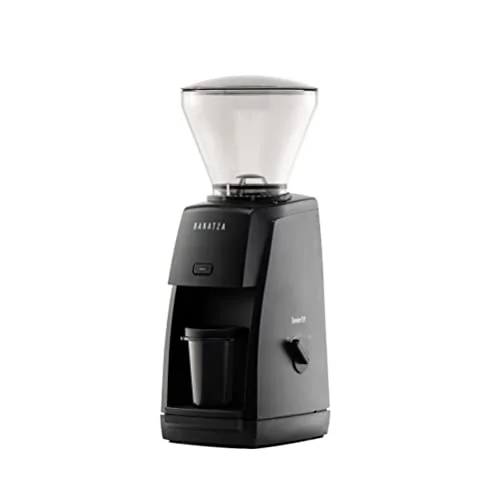
Encore ESP
The grinder most people should buy first — it does espresso and filter, and Baratza will fix it forever.
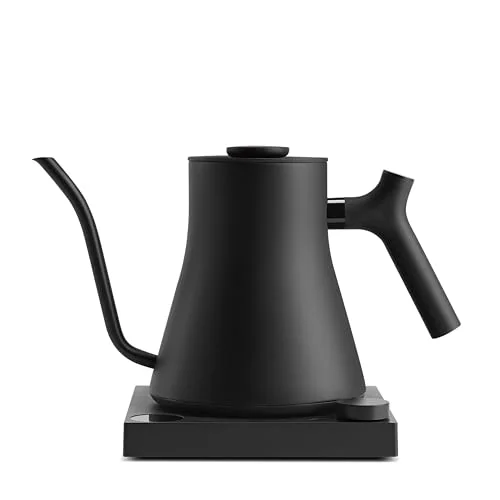
Stagg EKG Pro
The benchmark electric gooseneck — to-the-degree control, a PID that holds it, and a counterbalanced handle.
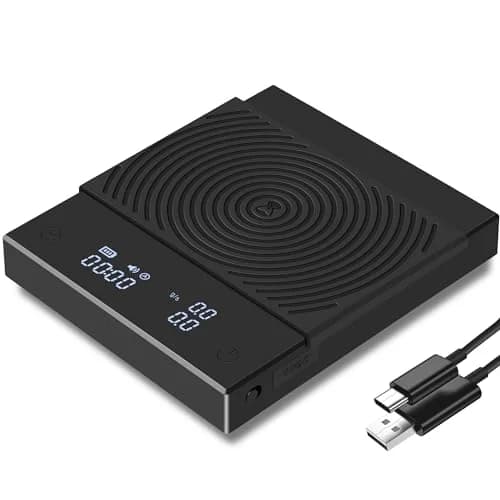
Black Mirror Basic 2
Acaia-style 0.1g performance and a fast refresh for less than half the price.
BrewSift earns a commission on qualifying purchases made through these links, at no extra cost to you. Prices shown were checked on publication and change often.
FAQ
How do I know if my coffee is sour or just bitter?
Sourness hits fast and sharp at the front of the sip, like lemon, green apple, or vinegar, and often makes your mouth water. Bitterness lingers at the back and finish, feeling harsh, dry, or ashy. Sour means the coffee was under-extracted; bitter means it was over-extracted.
Does grind size really cause sour coffee?
Yes, it is the most common cause. A coarser grind exposes less surface area, so water pulls out fewer of the sweeter, heavier compounds before the brew ends, leaving the sharp acids dominant. Grinding a step finer is usually the single most effective fix.
What water temperature stops coffee from tasting sour?
Most brew methods extract well between about 195F and 205F. Below roughly 195F the water struggles to dissolve enough flavor and the cup skews sour. If your kettle has no gauge, boil it and wait about 30 seconds before pouring.
Why is my cold brew sour when everything else is fine?
Cold water extracts very slowly, so time is the main lever. Sour cold brew almost always steeped too briefly. Aim for roughly 12 to 18 hours, and use a coarse grind with plenty of coffee so the long steep balances out.
Can stale or very light-roast beans make coffee taste sour?
Light roasts are denser and less soluble, so they under-extract and taste sour more readily unless you grind finer and brew hotter. Beans that are freshly roasted but under-rested can also read as sharp. Truly stale beans usually go flat and papery rather than bright and sour.