Electric Turkish Coffee Maker vs Cezve: What It Fixes
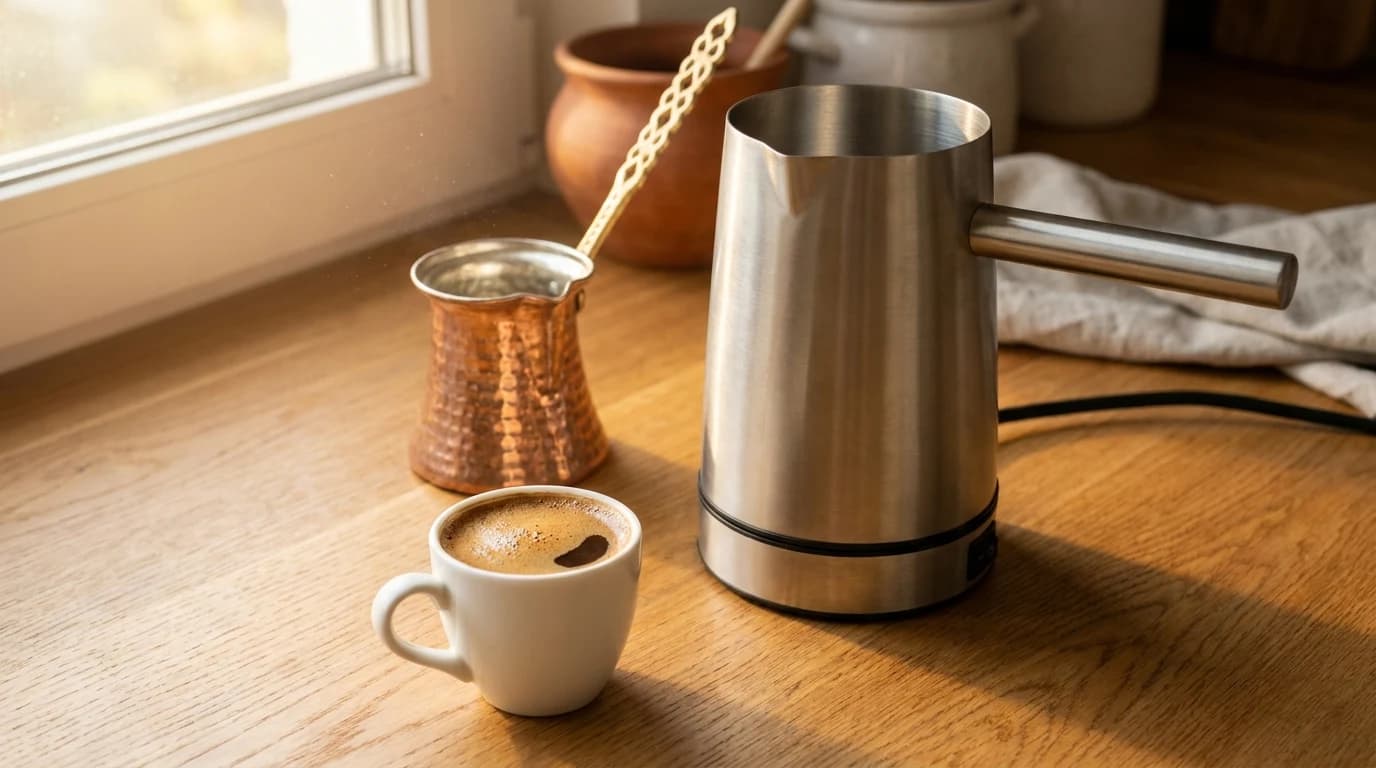
An electric Turkish coffee maker does one job and does it well: it runs the slow heat ramp and stops the pot at peak foam, so nothing boils over while you walk away. That is worth real money if you brew most mornings. What it cannot do is change the grind or the freshness of the coffee you put in, and those are the two things that actually decide whether Turkish coffee is good. Fix the grind first — coffee ground to true Turkish fineness costs a fraction of any machine. Then buy the machine for the convenience, not for a better cup.
Key takeaways
- An electric Turkish coffee maker automates two of the four steps in the traditional method — the slow heat ramp and the stop — and neither is the step that decides how the coffee tastes.
- Grind is the constraint no machine addresses: Turkish coffee is never filtered, so it needs a powder finer than espresso, which most home burr grinders cannot produce.
- Arzum rates the Okka Minio for up to four demitasse cups and describes an automatic shut-off that prevents overflows; SAKI describes an overspill sensor that watches foam expansion in real time and stops the brew at peak foam.
- Only the top of Arzum's range, the Okka Rich Spin Pro, states an auto-brewing altitude detection system — a tell that the engineering problem in this category is the heat curve, not the coffee.
- By Arzum's own description the Minio's pot is non-stick and hand-wash only, while SAKI states its brew path is all stainless with no coatings and the pot is dishwasher safe.
- UNESCO's description of the tradition opens with beans ground to a fine powder — the one step every machine on the market leaves entirely to you.
- No automation8.1BrewSift ScoreExcellent
- The stop, cheapest8.2BrewSift ScoreExcellent~$91.92Buy on AmazonRead review
- The stop, plus the dishwasher8.4BrewSift ScoreExcellent~$115.95Buy on AmazonRead review
- More cups, more drinks8.2BrewSift ScoreExcellent~$149.9Buy on AmazonRead review
Prices are approximate and change often. BrewSift earns a commission on qualifying purchases, at no extra cost to you.
The pitch for an electric Turkish coffee maker is never really about coffee. It is about the ninety seconds you spend hovering over a cezve waiting for the foam to lift, because the moment you look away you are cleaning the stovetop instead of drinking. Machines sell those ninety seconds back to you.
That is a genuine thing to buy. What is worth knowing before you spend is how much of Turkish coffee those ninety seconds actually represent — because the price ladder in this category implies a great deal more.
What the machine is replacing, step by step
UNESCO's description of the tradition is four moves long: the beans are ground to a fine powder, the powder goes into the pot with cold water and any sugar, and the pot is brewed slowly until the foam comes up. Every electric in the category is built around that same sequence. It simply takes over a specific part of it.
| Step | What it decides | Who still does it once you own a machine |
|---|---|---|
| Grind to a powder | Whether the cup is smooth or silty, and how fast the gas escapes | You |
| Dose, water and sugar | Strength, and how much foam there is to build | You |
| The slow heat ramp | Whether foam forms or the pot simply boils | The machine |
| The stop | Foam at its peak, or foam on your stovetop | The machine |
The honest framing: an electric automates the bottom two rows. It never touches the top two — and the top two are the ones that decide whether the coffee is any good.
The stop is the real feature, and it is a good one
Every automatic here sells the same core mechanism under a different name. Arzum describes the Okka Minio as one-touch brewing with an automatic shut-off that prevents overflows. SAKI is more specific about the how: an overspill sensor that watches foam expansion in real time and cuts the heat when it climbs too high, plus a setting that stops the brew at peak foam.
If you have ever walked away from a cezve at the wrong moment, you already know what that is worth. It is the single most common way a beginner loses both the coffee and ten minutes to scrubbing.
The spec that shows where the engineering went
The most revealing line on any of these product pages sits on the Okka Rich Spin Pro: an auto-brewing altitude detection system, with manual temperature adjustment layered on top. Water boils cooler the higher you live, so the temperature at which foam forms genuinely moves with elevation — and only the top of the range says it compensates. It is a small detail, and it tells you precisely where the design effort in this category goes. Into the heat curve. Not into the coffee.
The two things no machine can buy you
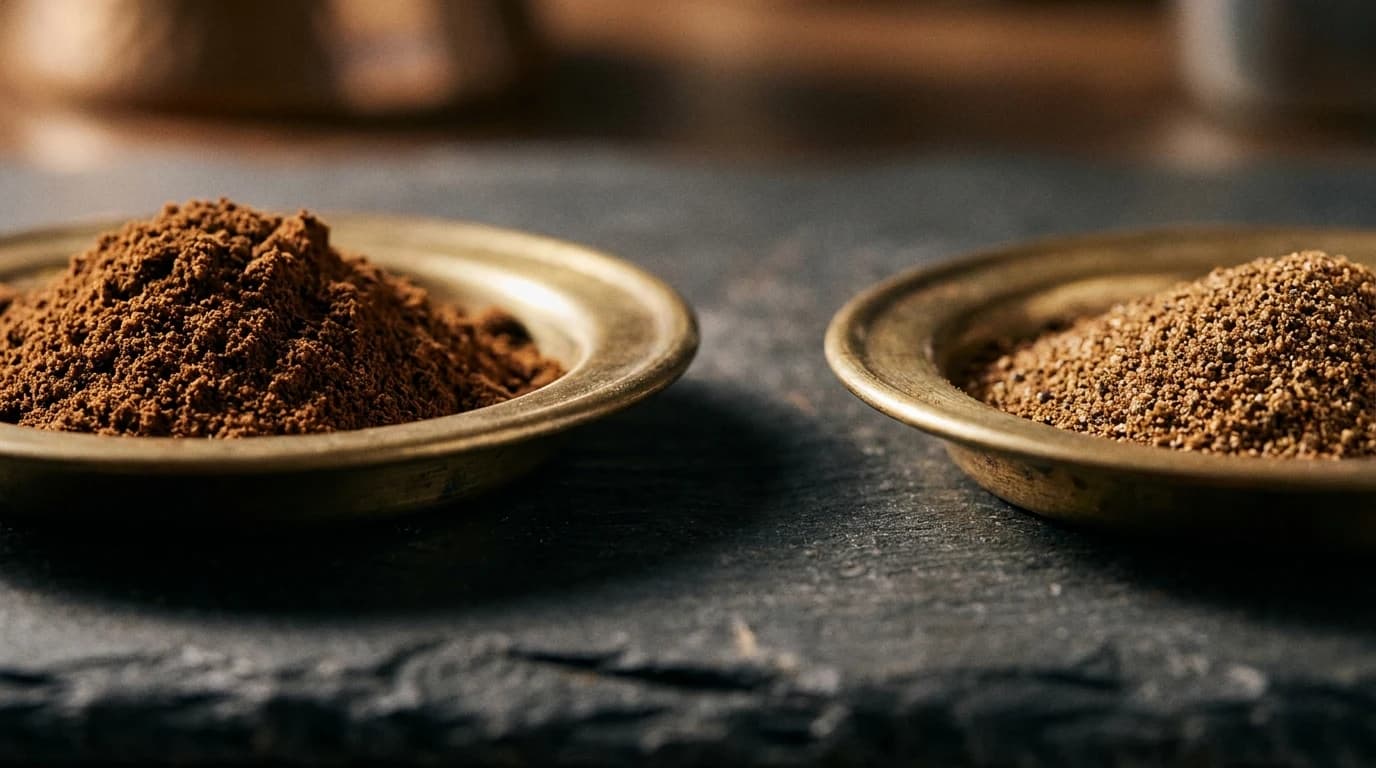
Grind comes first, and it is not close. Turkish coffee is never filtered — the grounds stay in the cup and settle — so the powder has to be fine enough to sink and soft enough not to feel like sand on the tongue. That is finer than espresso, and it is a setting most home burr grinders do not have at all. The machines say nothing about it, because there is nothing they can do: whatever you tip into the pot is what brews.
There are two honest ways out, and both cost less than the cheapest automatic. Buy a mill built for the job — the Zassenhaus Turkish Coffee Mill is the traditional answer — or skip grinding altogether and buy coffee already ground to Turkish fineness, which is what Kurukahveci Mehmet Efendi sells by the tin.
Freshness comes second. The foam is carbon dioxide leaving the coffee, and a powder that fine vents its gas quickly, which is why stale grounds will not foam no matter what heats them. No sensor puts gas back into coffee that has already lost it.
What actually changes the cup:
- A true powder grind, finer than espresso
- Coffee ground recently, or bought pre-ground and used quickly
- Enough coffee for the water — Turkish coffee is meant to be strong
- Heat slow enough that the foam has time to build
What people buy instead:
- A bigger machine, when they never brew more than two cups
- A copper pot, when the grind was the problem
- A milk function, for a drink that traditionally has no milk in it
- A second machine, after the first one made mediocre coffee from the same grounds
Where the money on the ladder actually goes
Every step up this category buys a real improvement in something. None of them buys an improvement in extraction.
| Step up | What you gain | What it does not change |
|---|---|---|
| Stovetop cezve to entry automatic | The stop, one-touch operation, no vigil | The cup |
| Entry automatic to open-form | A stainless brew path and a dishwasher-safe pot | The cup |
| Open-form to top of range | More cups per run, altitude compensation, milk and chocolate drinks | The cup |
The lining question almost nobody asks
Arzum's own page for the Minio describes a non-stick pot, which is what makes its cleanup quick and hassle-free — and also why that removable pot is hand-wash only. SAKI's pitch is the exact opposite: only stainless steel touches the coffee, no coatings anywhere in the brew path, and the pot goes in the dishwasher.
That is a real, checkable difference between two machines that otherwise do the same job, and it barely surfaces in reviews of the category. If you keep kitchen equipment for a decade, a coating is the part that ages. If you have already narrowed the decision to those two, the head-to-head covers the rest of it.
Rule of thumb: compare the pot before you compare the program. The programs are more alike than the marketing suggests; the pots are not.
Who should actually buy one
An electric earns its counter space if:
- You make Turkish coffee most mornings and have boiled it over more than once
- You brew for three or more people and want it done in a single run
- Someone in the house wants the ritual without learning the timing first
Skip it, at least for now, if:
- You have not solved the grind — fix that first, it is cheaper and it matters more
- You brew occasionally, where a stainless cezve does the same job for a fraction
- You are expecting it to taste better than your stovetop version, because it will not
If you are starting from nothing, spend in this order:
- Coffee ground to Turkish fineness — the whole method rests on it
- A pot, any pot, that suits your stovetop — the Turkish coffee pots and makers we rate start here
- A grinder that actually reaches powder, if you want to grind your own, which most burr grinders do not
- The machine, once you already know what a good cup tastes like
Your next step
Shopping the pot itself?
What to buy before you buy the machine
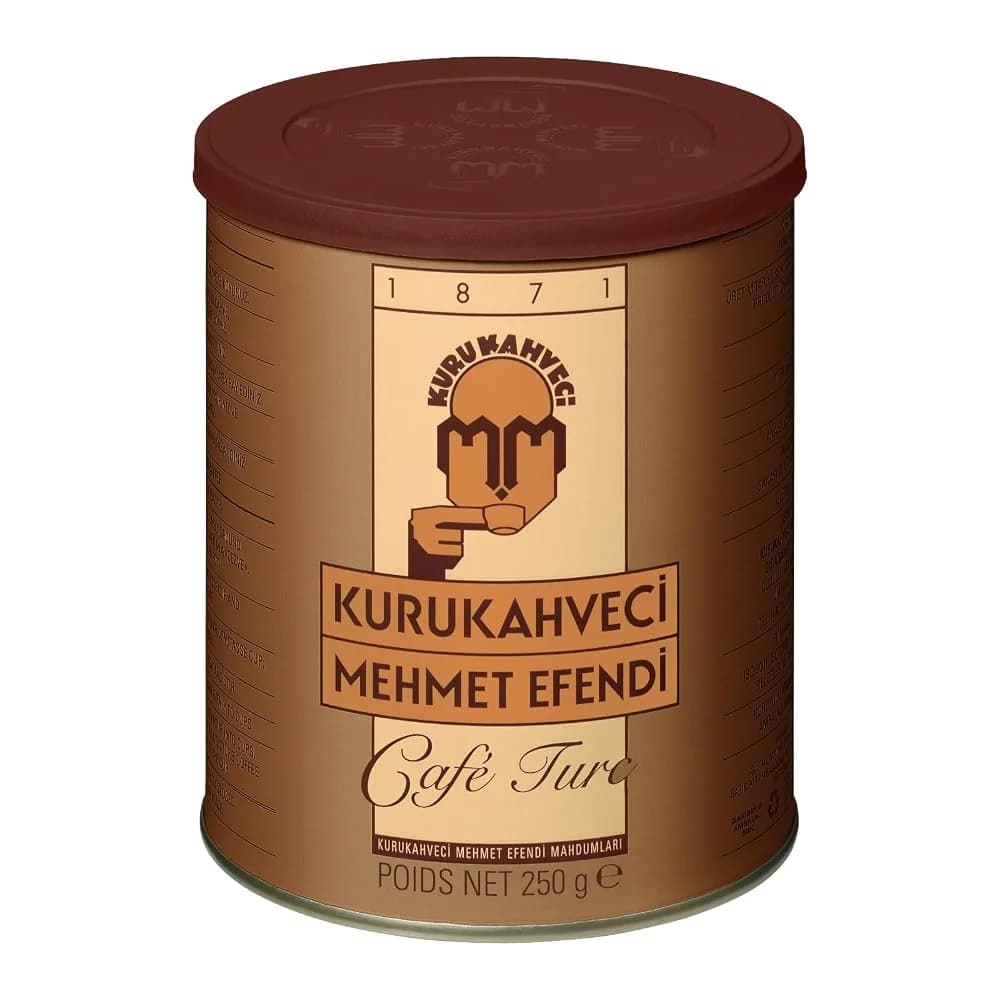
Turkish Coffee, Medium Roast (8.8 oz)
The Istanbul benchmark, ground finer than any home grinder reaches - the shortcut past the grinder problem.
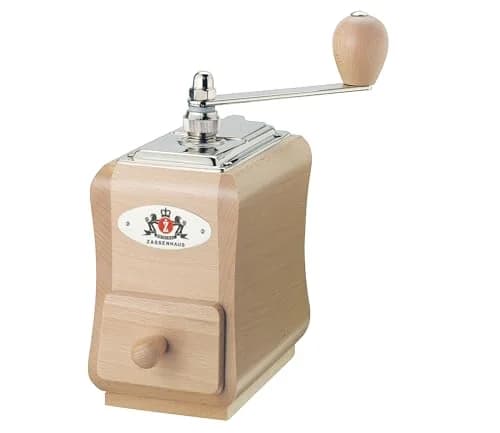
Turkish Coffee Mill
A traditional hand mill that grinds finer than espresso — the grind no electric grinder can reach for true Turkish coffee.
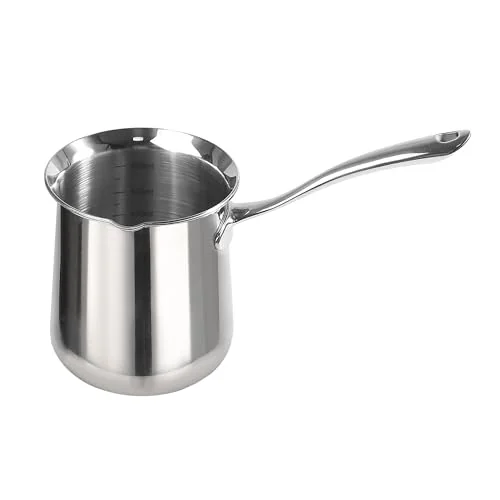
Tri-Ply Stainless Turkish Coffee Pot (20 oz)
A heavy tri-ply stainless cezve that holds 20 oz and that the listing rates dishwasher safe — practical over traditional.
BrewSift earns a commission on qualifying purchases made through these links, at no extra cost to you. Prices shown were checked on publication and change often.
FAQ
Does an electric Turkish coffee maker make better coffee than a cezve?
No, and none of the manufacturers claim it does. What an electric changes is consistency and attention: it runs a slow heat program and cuts the heat at the right moment, so you get the same result whether or not you were standing there. A cezve on a low flame, watched properly, can do exactly the same thing. If your Turkish coffee is disappointing on the stovetop, a machine will reproduce that disappointment reliably rather than fix it, because the grind and the freshness go in unchanged.
How many cups do these machines actually brew at once?
Fewer than the number suggests, because a cup here means a demitasse, not a mug. Arzum rates the Okka Minio for up to four demitasse cups in a run and the Okka Rich Spin Pro for one to five. That is a small pot by ordinary coffee standards — a five-cup run is still well under a pint of liquid. Size the machine to how many people you serve at once, not to how much coffee you personally drink in a morning.
Can I use espresso-ground coffee in an electric Turkish maker?
You can, and it will brew, but it will not behave like Turkish coffee. Espresso grind is coarser, so it settles into a grittier layer in the cup and releases its gas more slowly, which flattens the foam. It is the most common reason a new machine underwhelms on its first run. Either buy coffee already ground to Turkish fineness or use a mill made for it — an espresso grinder set to its finest is usually still not fine enough.
Which electric Turkish coffee makers can go in the dishwasher?
Very few, and it is worth checking before you buy. SAKI states that its pot lifts off and is dishwasher safe, and that only stainless steel touches the coffee with no coatings in the brew path. Arzum's page for the Okka Minio describes a non-stick pot instead, and that pot is hand-wash only. Since these machines are otherwise closely matched, cleanup is a legitimate way to decide between them.
Do I still have to watch the pot with an electric?
Not for the boil-over, which is the whole point of the sensor. Arzum describes an automatic shut-off that prevents overflows, and SAKI describes a sensor that cuts the heat as the foam expands and stops at peak foam. You do still have to dose it, and you still pour it yourself, so the ritual survives — what disappears is the part where you cannot leave the kitchen.
What can I use instead of a cezve?
An electric Turkish coffee maker is the closest substitute, because it takes over the two steps a cezve asks you to stand over: the slow heat ramp and the stop at peak foam. Otherwise any small pot that suits your stovetop will brew it. The vessel is not what decides the cup — the grind and the freshness of the coffee are, and no pot changes either.
Sources
- UNESCO Intangible Cultural Heritage — Turkish coffee culture and tradition: the beans are ground to a fine powder, then ground coffee, cold water and sugar are added to the pot and brewed slowly to produce the desired foam
- Arzum Okka USA — Okka Minio Automatic Turkish Coffee Maker: brews up to 4 demitasse cups, one-touch operation, automatic shut-off that prevents overflows, non-stick pot, 120V
- Arzum Okka USA — Okka Rich Spin Pro: 1 to 5 cups, 8 pre-set functions, intelligent overflow prevention, auto-brewing altitude detection system with manual temperature adjustment, stainless steel cooking pot
- SAKI — Electric Turkish Coffee Maker product page: sand-brew heating, peak foam detection, an overspill sensor that monitors foam expansion and cuts heat, a dishwasher-safe pot, and a 100% plastic-free stainless brew path