Sour vs Bitter Espresso: Diagnose a Bad Shot Fast
Sour, thin espresso that runs fast is usually under-extracted: grind a little finer while keeping dose and target yield fixed. Bitter, drying espresso that runs slowly is usually over-extracted: grind a little coarser. If taste and flow disagree, check puck preparation, temperature, roast, cleanliness, and water before making another grind change.
Key takeaways
- Taste alone is not enough. Pair sour or bitter flavor with shot speed and body before changing a setting.
- Change grind first, in small steps, while holding dose and target beverage weight constant.
- A sour slow shot or bitter fast shot is a contradiction worth investigating, not a reason to keep turning the grinder.
- Acidity can be pleasant and bitterness is normal in espresso; the problem is imbalance, not the mere presence of either taste.
Espresso compresses a lot of flavor into a small cup, which makes a bad shot feel obvious and the fix feel mysterious. The common advice — sour means grind finer, bitter means grind coarser — is useful, but incomplete. Taste can be distorted by roast, water, temperature, a dirty machine, or an uneven puck. The flow tells you whether the simple diagnosis fits.
Use two observations before touching the grinder: what the shot tastes like and how it reached the cup. That gives you a faster path than changing grind, dose, temperature, and shot time all at once. If you want the target numbers to work against, our espresso dial-in calculator turns your dose and shot style into a target yield and reads your shot time back as a fast or slow diagnosis.
The 60-second diagnosis
Taste a cooled spoonful, not only the first hot sip. Then match it to the shot you watched.
| Taste | Flow and body | Most likely problem | First change |
|---|---|---|---|
| Sharp, sour, thin | Fast, pale, watery | Under-extraction | Grind slightly finer |
| Harsh, bitter, drying | Slow, dark, heavy or drippy | Over-extraction | Grind slightly coarser |
| Sour but slow | Slow or uneven | Channeling, cool water, light roast, or misleading acidity | Inspect the puck before changing grind |
| Bitter but fast | Fast or spurting | Channeling, dark roast, dirty equipment, or water | Fix distribution and clean first |
| Sour and bitter together | Uneven, spurting, or multiple streams | Uneven extraction | Improve distribution and level tamp |
Reading the grid
This is a diagnosis grid, not a flavor law. A bright coffee can have deliberate acidity. A dark roast can carry bitterness even when extracted well. You are looking for the dominant defect: lemon-juice sharpness without sweetness, or a drying finish that lingers like over-steeped tea.
If it is sour and fast
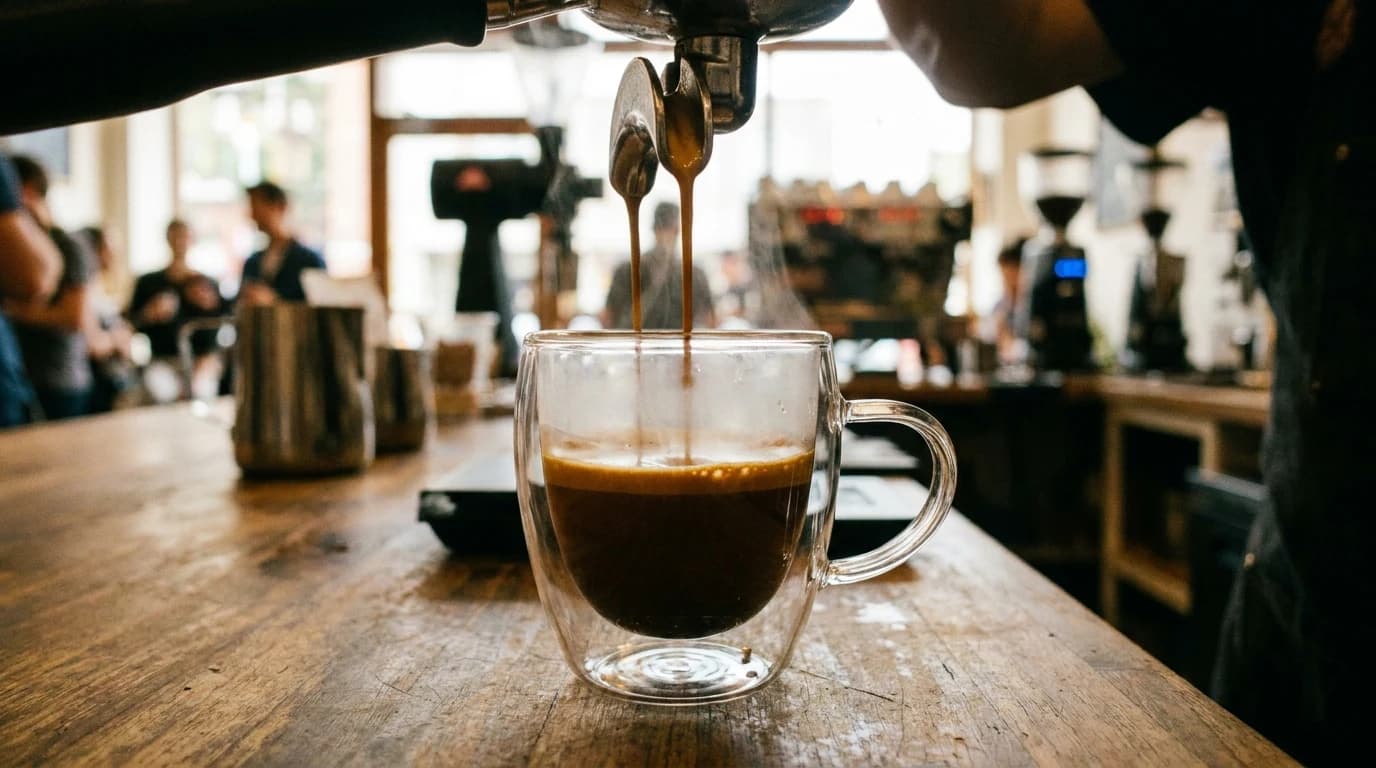
A fast shot gives water too little useful contact with the coffee. The cup often looks pale, feels thin, and tastes sharply acidic or salty rather than sweet. La Marzocco's home espresso guide ties a shot that runs fast, under 25 seconds, to a grind that may be too coarse and a grassy, sour or weak taste.
Grind finer first
Start with grind because it is the cleanest adjustment. Keep your dry dose and target beverage weight unchanged, move the grinder one small step finer, purge any retained grounds, and pull again. Do not also extend the yield. If the next shot slows and gains sweetness, the diagnosis was right.
The grind-size chart explains why the number printed on someone else's grinder cannot be copied reliably. Burr geometry, calibration, beans, and humidity all change what a setting means. Record your own dose, output, and time on a coffee scale; otherwise, you are comparing impressions instead of shots.
If it is bitter and slow
A slow shot can keep extracting after the pleasant balance has passed. The result may be bitter, harsh, woody, or astringent — the dry, puckering sensation matters as much as bitterness. La Marzocco's guide ties a slow shot, over 45 seconds, to a bitter or overly strong taste and a grind that may be too fine.
Keep dose and target yield fixed, then grind one small step coarser. If the machine barely drips, make a larger correction; if the shot is only a little slow, use the smallest available step. Pull, stir, let it cool briefly, and taste.
Strength is not extraction. A short, concentrated shot can taste intense without being over-extracted, and a long watery shot can still be bitter. Dose and beverage weight describe strength; taste and the behavior of the shot reveal extraction. Confusing the two is the most common reason a dial-in goes in circles.
When taste and flow disagree
Contradictory signals are where the one-line rule breaks. If a shot tastes sour but runs slowly, grinding finer may make the restriction worse without fixing the cup. If it tastes bitter but gushes, grinding coarser can make an already fast shot even thinner. Work through these checks instead.
- Look for channeling. Spurts, sudden blonding, multiple unequal streams, or obvious holes in the spent puck suggest water found an easy route. Some coffee over-extracts along that route while the rest stays under-extracted. Break up clumps, distribute evenly, and tamp level — a WDT tool and a level tamper are what make that repeatable.
- Confirm the measurements. Weigh both the dry dose and espresso output. A machine's programmed button can drift, and eyeballing crema is not a reliable yield measurement.
- Consider the roast. Light roasts are less soluble and can retain lively acidity. Dark roasts extract more readily and bring more roast bitterness. Do not force every bean toward the same flavor. The espresso bean guide can help set expectations before you change the recipe.
- Check temperature. Water that is too cool can leave a sour, underdeveloped cup; excessive heat can push a roast toward harshness. Change temperature only after grind and puck preparation are repeatable.
- Clean the coffee path. Old oils on the basket, screen, portafilter, or grinder can taste rancid and bitter. Follow the machine manufacturer's cleaning and backflushing instructions.
- Taste the water. If it tastes unpleasant alone, it will not disappear in espresso. Water chemistry also changes which flavors extract and how acidity presents.
Reading the spent puck
Signs the puck is the problem:
- A visible hole or crater in the surface
- Soupy, wet grounds that will not hold together
- Streaks or channels running through the cross-section
- Multiple uneven streams during the pour
Signs the grind is the problem:
- An even puck that simply ran fast or slow throughout
- A single steady stream from start to finish
- Consistent behaviour across several shots
- No spurting or sudden blonding
A fixed correction order
The fastest way to stop chasing espresso is to use the same order every time. Warm the machine and portafilter fully. Weigh a consistent dose, distribute, and tamp level. Choose a target output by weight. Pull the shot and note time only as evidence, not as the goal. Taste it.
Then change one variable
- Grind, if taste and flow point in the same direction.
- Puck preparation, if the flow is uneven or taste is both sour and bitter.
- Yield, if extraction seems balanced but the shot is too intense or too weak.
- Temperature, for a repeatable roast-specific problem.
- Beans or water, when technique is stable and the flavor still is not what you want.
Breville's dialing-in guidance makes the same core recommendation: keep the other variables constant and adjust one at a time. It sounds slower than turning three knobs, but it normally takes fewer shots because every result teaches you something.
Reset before the next shot
A clean comparison needs a clean reset. Between shots:
- Flush loose grounds from the group and wipe the basket dry.
- Purge enough grinder retention that the next dose reflects the new setting.
- Stir the finished espresso before tasting — the liquid in the cup is layered.
- Give it a short moment to cool; heat hides both sweetness and defects.
These small steps keep yesterday's residue or the previous grind setting from impersonating a new brewing problem.
The stopping rule
A dialed-in shot does not need to match a universal time or ratio. Stop when the cup has enough sweetness and body for the drink you are making, its acidity feels integrated rather than sharp, and the finish is pleasantly bitter rather than drying.
When to stop adjusting: the moment the shot is good, write down the dose, yield, time and grind setting. A recipe you can reproduce beats a recipe that matched someone's published numbers. Numbers make a cup repeatable; they do not decide whether it tastes good.
If repeated changes cannot produce both stable flow and a pleasant cup, the limiting factor may be the grinder rather than the machine. Espresso needs unusually fine, repeatable steps. Compare that requirement in the grinder guide before replacing the espresso machine.
Your next step
When the machine or grinder is the limit.
The prep tools this fix depends on
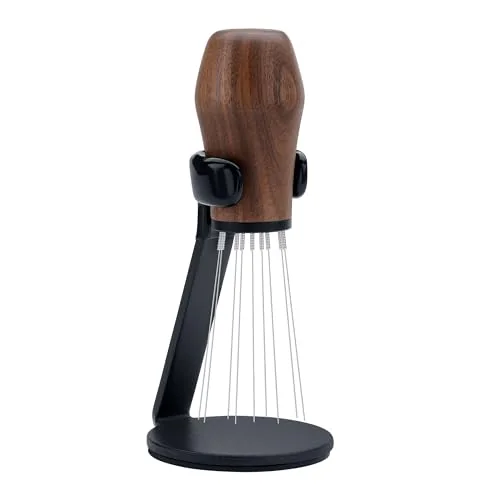
WDT Distribution Tool
Fine needles break up clumps in the grounds so water flows evenly — the cheapest cure for sour, weak shots.
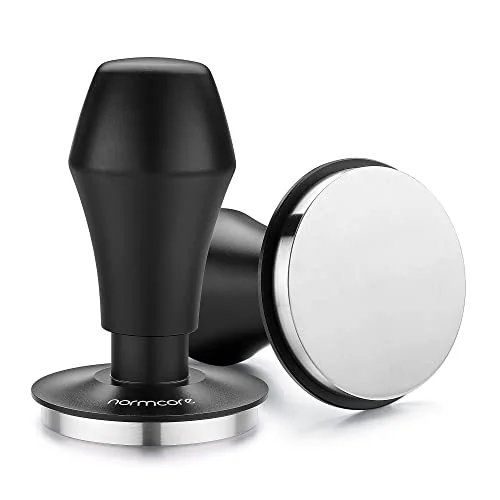
58.5mm Spring-Loaded Tamper
A calibrated spring clicks at a consistent pressure, so every tamp is level and identical — the fix for shot-to-shot variance.
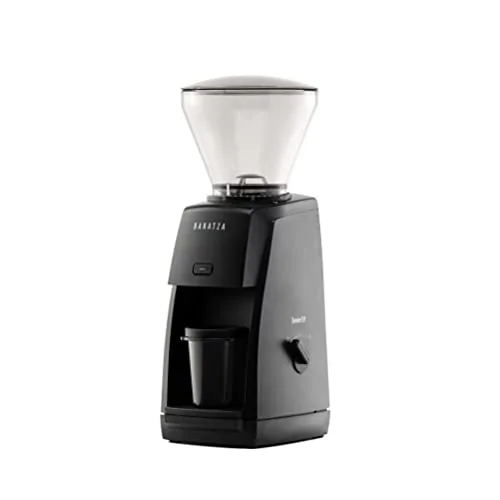
Encore ESP
The grinder most people should buy first — it does espresso and filter, and Baratza will fix it forever.
BrewSift earns a commission on qualifying purchases made through these links, at no extra cost to you. Prices shown were checked on publication and change often.
FAQ
Why does my espresso taste sour?
If the shot also ran quickly and tastes thin, it is probably under-extracted. Keep the dose and target yield the same and grind slightly finer. If it ran slowly, first check for channeling, a very light roast, low brew temperature, or water that makes acidity seem unusually sharp.
Why does my espresso taste bitter or dry?
A slow, dark, drying shot usually points to over-extraction, so try a slightly coarser grind. If the shot ran fast, inspect distribution and the puck for channeling, then consider the roast, machine cleanliness, and water rather than assuming the grind is simply too fine.
Should I change grind, dose, or shot time first?
Start with grind. Hold the coffee dose and target espresso weight constant, make one small grind adjustment, and taste again. Changing dose, yield, temperature, and grind together makes it impossible to learn which adjustment helped.
Can espresso be both sour and bitter?
Yes. Uneven extraction can leave some parts of the puck under-extracted and others over-extracted. The cup can taste sharply sour, harsh, and drying at once. Improve distribution, keep the tamp level, and check for channeling before chasing a new recipe.
Is espresso supposed to taste bitter?
Some bitterness is normal in espresso, and acidity can be pleasant too. The problem is imbalance, not the presence of either taste. A shot that is working finishes pleasantly bitter rather than drying, with acidity that feels integrated instead of sharp. Judge a cooled spoonful rather than the first hot sip, and look for a dominant defect rather than any single flavour you can name.
What is the difference between a good and a bad espresso shot?
A good shot carries enough sweetness and body for the drink you are making, acidity that feels integrated rather than sharp, and a finish that is pleasantly bitter rather than drying. A bad one is dominated by one defect: lemon-juice sharpness without sweetness, or an over-steeped-tea dryness that lingers. Watch the pour as well — spurting or sudden blonding points at the puck rather than the grind.
Sources
- La Marzocco Home — The essential guide to mastering espresso at home (fast shots under 25 s read sour or weak, slow shots over 45 s bitter; adjust grind)
- Breville coffee extraction guide — extraction sequence, grind control, and taste-led troubleshooting
- Breville dialing-in guide — holding variables constant and adjusting espresso by taste