Espresso Beans vs Coffee Beans: What Is Actually Different
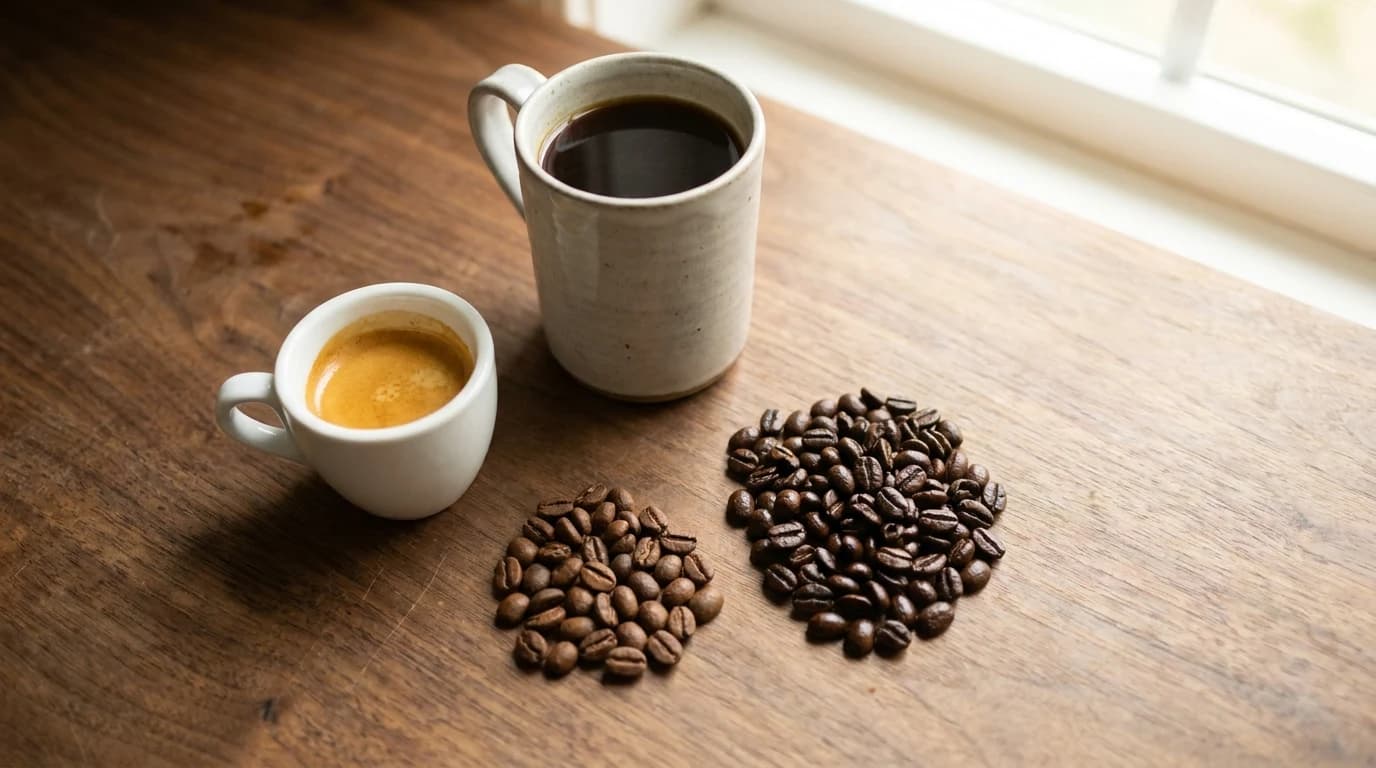
Espresso beans are ordinary coffee beans that a roaster has blended and roasted for espresso, usually medium to dark and sometimes with some robusta for body and crema. There is no separate espresso plant. You can brew espresso beans in a drip machine or French press, and you can pull espresso from regular beans; roast level, freshness and a grinder fine enough for the shot matter far more than the word on the bag.
Key takeaways
- Espresso is a brewing method, not a type of bean. Any whole-bean coffee can be pulled as espresso if it is ground fine enough.
- An espresso label usually signals three things: a medium-to-dark roast, a blend built to taste the same shot after shot, and sometimes a share of robusta.
- In BrewSift's own catalog, 17 of 31 whole-bean coffees list espresso as a fit, none of them light roasts, and 12 of those 17 also suit drip, pour-over, French press or cold brew.
- The grinder and the roast date move an espresso shot more than the label does. Buy the bag for the drink you make most often.
Walk down the coffee aisle and espresso beans sit on their own shelf, often at a higher price, as if they came from a different plant. They do not. Espresso is a way of brewing, not a kind of bean. The label tells you how the roaster expects the coffee to be used, and that expectation usually shows up in three places: roast level, blend and, sometimes, a share of robusta.
The short version: every espresso bean is a coffee bean. The label is a roaster's recommendation, not a species, and any whole bean can be pulled as espresso once it is ground fine enough.
What espresso actually refers to
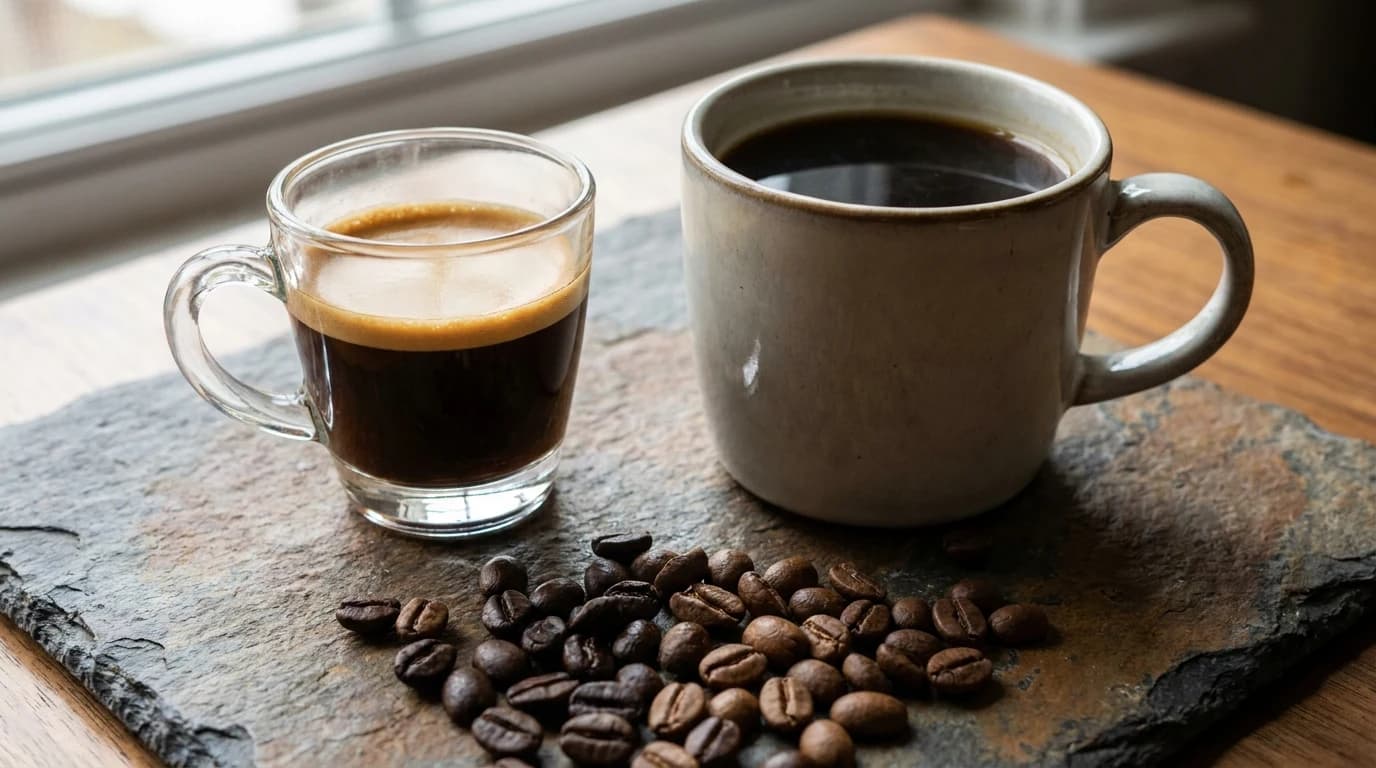
Espresso is defined by the brew. The SCA definition, quoted in AeroPress's espresso explainer, is a small, concentrated drink of about 25 to 35 ml made from 7 to 9 g of coffee. Breville's home espresso recipe works at double that: a 19 g dose to 38 g in the cup, in 20 to 30 seconds. Hot water under pressure is pushed through a fine, compacted bed, and whatever is in the coffee, sweetness, bitterness or sourness, arrives concentrated.
That concentration is the whole reason espresso-labelled coffee exists. A roaster building for espresso picks and roasts for what survives being concentrated and, very often, being poured into a cup of steamed milk.
| Bag labelled espresso | Bag labelled for drip or filter | |
|---|---|---|
| The plant | Coffee, usually arabica, sometimes with robusta | Coffee, usually all arabica |
| Typical roast | Medium to dark | Anything from light to dark |
| Built for | Sweetness and body when concentrated | Clarity and aroma at filter strength |
| Brew it the other way? | Yes, it makes a heavier drip cup | Yes, light roasts just take more dialing in |
What the label looks like on real bags
BrewSift files each of the 31 whole-bean coffees in its catalog under the brew methods it suits. Reading those tags as a group shows how the espresso idea plays out on actual bags rather than in theory:
- 17 of the 31 list espresso as a fit. Ten of those are medium roasts, six are dark and one is medium-dark.
- None of the lighter coffees makes the list. The four light and medium-light coffees we carry are all filed under pour-over and filter.
- 12 of the 17 also list drip, pour-over, French press or cold brew. Most coffees that suit espresso are not espresso-only.
- Only four carry the word espresso in their name, among them Peet's Espresso Forte and Intelligentsia Black Cat Classic Espresso.
On the 1-to-5 profile scores we author for every bean, the espresso group averages lower acidity (2.6 against 3.0) and more body (3.8 against 3.4) than the rest. That is the pattern in miniature. Espresso coffees lean heavier and gentler, because concentration turns brightness into sourness faster than it turns body into anything unpleasant.
The three real differences
Roast level
Espresso roasts sit in the middle to the dark end. A darker roast dissolves more easily and tastes less acidic, so it forgives a slightly-off grind and gives the chocolatey, heavy-bodied shot most people picture. Our light vs dark roast breakdown covers what roasting changes. The short version: light roasts can make remarkable espresso, but they are denser and more demanding to dial in.
Blend
Most espresso coffees are blends. A blend lets a roaster balance one origin's sweetness against another's body so the shot tastes the same bag after bag, which matters when someone repeats one recipe every morning. Single origins make espresso too, and tend to taste more distinctive and less predictable.
Robusta, sometimes
Some espresso blends, Italian-style ones especially, include robusta alongside arabica; Lavazza's Amazon listing describes Super Crema as exactly that kind of blend. According to the National Coffee Association, robusta carries 50 to 60% more caffeine than arabica. Roasters use it for body and a thicker crema, and it is the one case where an espresso bag can differ at the level of the plant.
Worth knowing: the espresso label never tells you the roast date, and freshness moves a shot more than the label does. Read the date before the name.
Can you swap them?
Espresso beans for regular coffee: yes, and plenty of people do. Grind for your brewer, not for espresso, and expect a heavier, darker, lower-acid cup. In a drip machine or French press that often reads as smooth and rich.
Regular beans for espresso: also yes, with more tuning. A medium roast sold for filter usually pulls a pleasant shot once the grind is fine enough. A very light roast needs a finer grind and more patience, and can taste sour until you get there; sour vs bitter espresso is the diagnostic.
What actually works:
- Buying whole bean and grinding for the method in front of you
- Picking a medium to medium-dark roast when one bag has to serve both
- Reading the roast date before the label
- Adjusting the grind first, then the dose, when a new bag tastes off
What people try that does not help:
- Paying extra for the word espresso on a bag you will only brew as drip
- Buying an espresso roast for a light, fruity cup; the roast has already traded that away
- Expecting any label to fix the uneven grind of a blade grinder
- Treating a dark roast as the stronger coffee, when by weight the caffeine barely moves
The part that matters more than the bean
For espresso, the grinder matters more than the bag. A shot needs a fine, even, adjustable grind, which pre-ground coffee and most basic grinders cannot hold. The grinder guide separates the ones that genuinely reach espresso from the ones that only claim to, and one grinder for espresso and pour-over covers the case where a single grinder has to do both. Once the grind is right, the espresso dial-in tool walks through ratio and time, and the espresso machine guide covers the other half of the setup.
Which bag to buy
- Espresso machine, mostly milk drinks: a medium-dark espresso blend. Our best coffee beans for espresso guide starts with Lavazza Super Crema and La Colombe Corsica.
- Moka pot: an espresso-style blend ground a touch coarser than for a machine; the moka pot guide covers the pot itself.
- Drip, pour-over or French press: buy for flavor, not the label. The chocolatey and nutty guide is a good start if you like a rounder cup, and certified organic coffee works the same way under either label.
- One bag for everything: a medium roast tagged for both espresso and filter, such as Stumptown Hair Bender or Counter Culture Big Trouble.
Rule of thumb: buy the bag for the drink you make most often, and let the grinder handle the rest.
Grinders and brewers that make the espresso half work
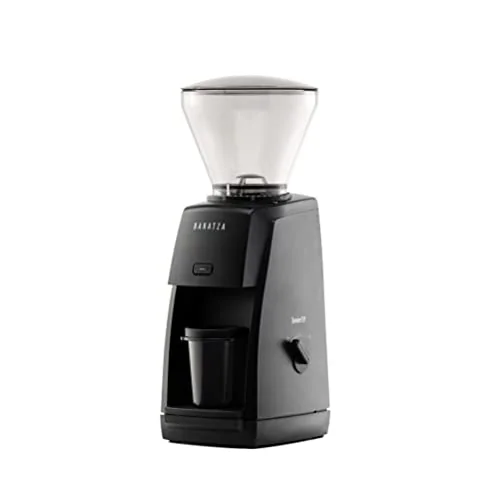
Encore ESP
The grinder most people should buy first — it does espresso and filter, and Baratza will fix it forever.
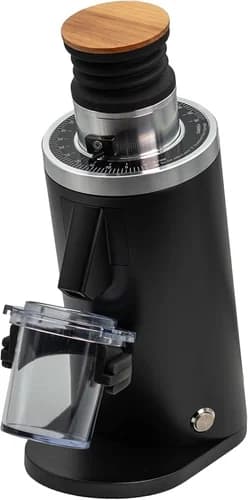
DF54
Single-dose 54mm flat-burr performance at a price that undercuts the establishment.
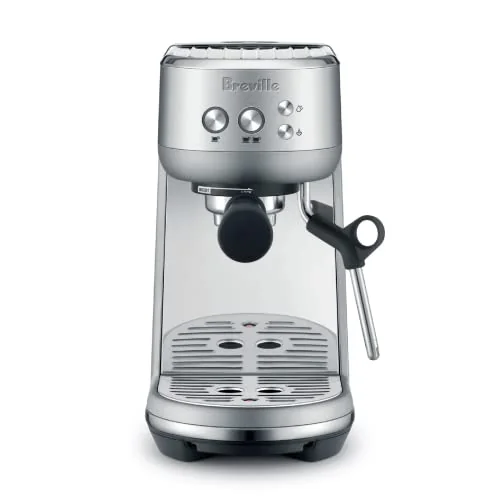
Bambino
The Bambino Plus's cheaper sibling — same fast heat-up and tiny footprint, with a manual steam wand.
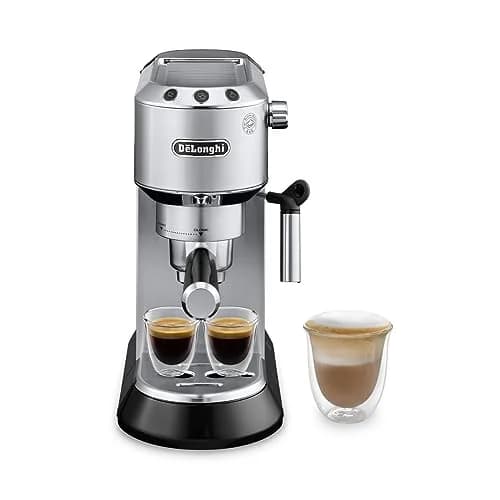
Dedica Arte EC885
A genuinely slim, genuinely cheap entry into real (if modest) espresso with a steam wand.
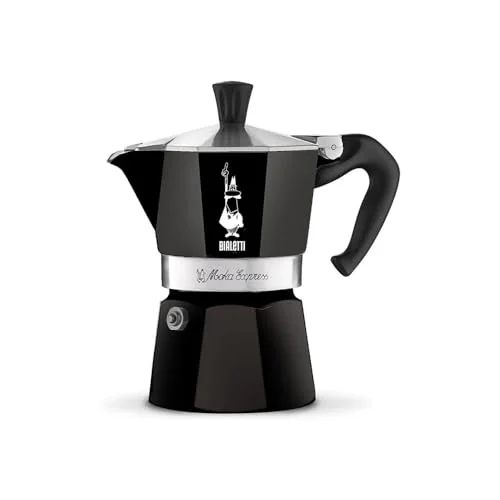
Moka Express 6-Cup
The iconic aluminium stovetop pot — strong, sweet, espresso-adjacent coffee for the price of lunch.
BrewSift earns a commission on qualifying purchases made through these links, at no extra cost to you. Prices shown were checked on publication and change often.
FAQ
Are espresso beans different from regular coffee beans?
Not as a plant. Espresso beans are coffee beans that a roaster has chosen, blended and roasted with espresso in mind, usually to a medium or dark roast and sometimes with some robusta added. Nothing stops you brewing them another way, and nothing stops you pulling espresso from beans sold for drip.
Can I use espresso beans in a regular coffee maker?
Yes. Grind them for your brewer rather than espresso-fine, and expect a heavier, darker, lower-acid cup than a typical filter coffee. In a drip machine or French press that often reads as smooth and rich rather than wrong.
Can I use regular coffee beans in an espresso machine?
Yes, with more tuning. A medium roast sold for filter usually pulls a pleasant shot once the grind is fine enough. A very light roast is denser and more acidic, so it needs a finer grind and more patience, and it can taste sour until you get the extraction right.
Do espresso beans have more caffeine?
Only if the blend includes robusta, which the National Coffee Association says carries 50 to 60 percent more caffeine than arabica. Roast level itself barely changes caffeine by weight, so a dark espresso roast is not automatically stronger than a light filter roast.
What roast is best for espresso?
Medium to medium-dark is the most forgiving. It dissolves readily, keeps acidity low and gives the chocolatey, full-bodied shot most people expect, especially under milk. Light roasts can make excellent espresso but are harder to dial in.
Is espresso ground coffee the same as espresso beans?
It is the same coffee after grinding, usually very fine. Pre-ground espresso saves you a grinder but cannot be adjusted, and espresso is the method most sensitive to grind, so whole beans and a capable grinder give you far more control over the shot.