Coffee from Honduras
Central America's biggest producer and an improving specialty story. Honduran coffee delivers caramel sweetness, stone fruit, and cocoa at friendly prices, and its regional Denominations of Origin (like Marcala) are putting it on the specialty map.
Updated
The cup
Cup profile
Typical roast
Tasting notes
Growing regions
Marcala
1,300–1,700mHonduras's protected Denomination of Origin — sweet and clean.
Copán
1,000–1,500mNear the Guatemalan border — chocolate and red fruit.
Montecillos
1,200–1,700mBright, fruit-forward high-grown lots.
How to brew it
This is a bright, expressive origin — pour-over and filter methods show off its acidity and aromatics. Keep the roast on the lighter side.
The context
Honduras is now the largest arabica producer in Central America and Mexico by a wide margin, and most of it comes from smallholders registered with IHCAFE, the Honduran Coffee Institute. Growth in recent years owes a lot to rust-resistant varieties such as Parainema, and to certified and specialty coffee, which USDA reports made up over half of Honduran exports in 2023/24, including lots sold under the Marcala Denomination of Origin.
Common questions
What are the coffee regions of Honduras?
USDA lists six key regions: Copán, Montecillos, Opalaca, Comayagua, El Paraíso and Agalta, at roughly 1,000 to 1,600 meters. Coffee is grown in 15 of the country's 18 departments.
What do SHG and HG mean on Honduran coffee?
They are export grades. SHG, strictly high grown, is coffee grown at higher altitudes; HG, high grade, meets a high quality standard without necessarily reaching the SHG altitude. Honduras also grades by screen size and exports certified organic coffee as its own category.
Is Honduras a big coffee producer?
Yes. In USDA's world coffee estimates, Honduras produces more arabica than any other country in Central America or Mexico, roughly twice Guatemala's output. The Honduran Coffee Institute registers tens of thousands of producers, most of them small farms.
What is Parainema coffee?
Parainema is a rust-resistant arabica variety that USDA credits with driving recent growth in Honduras's planted area and harvest, after leaf rust hit the country hard. Traditional varieties such as Bourbon, Catuaí, Caturra and Typica are still widely grown.
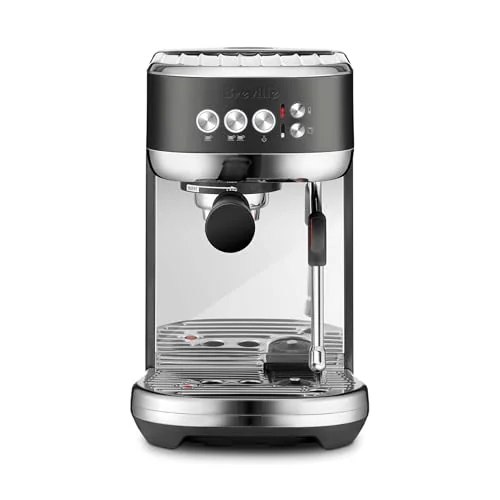
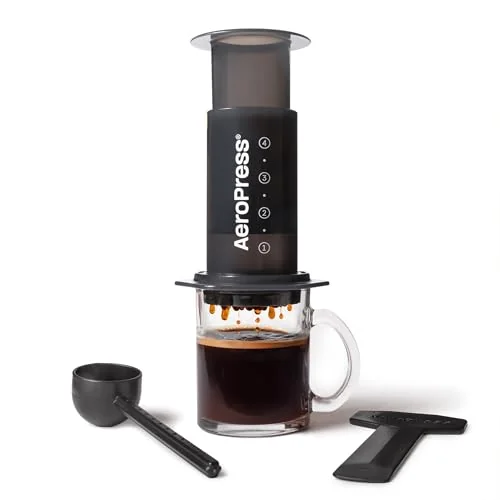
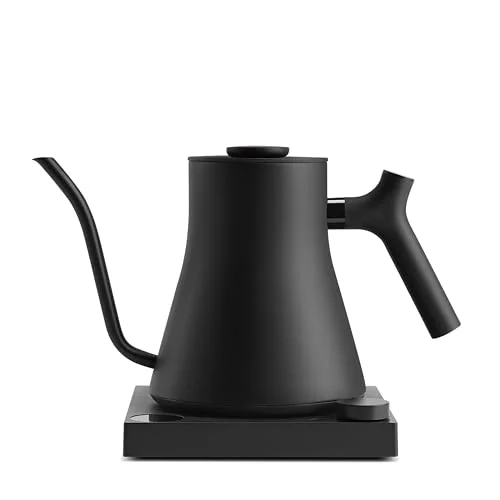
Brew Honduras coffee with
The gear that suits this origin's character. A good grinder helps every cup.
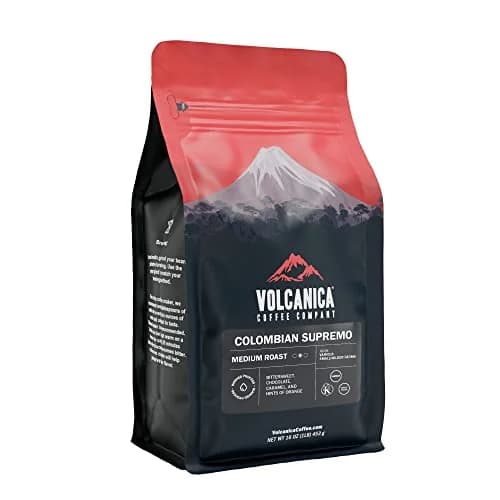
Beans with this profile
Widely available coffees that lean into Honduras's flavor character.
Bean guides for this taste
Ranked picks that lean into Honduras's profile — with a top choice and buying advice.