Coffee from Guatemala
A versatile, dependable favorite. Guatemalan coffee leans cocoa, baking spice, and gentle orange acidity, with enough body for espresso and enough nuance for filter — Antigua's volcanic terroir is the classic.
Updated
The cup
Cup profile
Typical roast
Tasting notes
Growing regions
Antigua
1,500–1,700mVolcanic soil and shade — chocolate, spice, and balance.
Huehuetenango
1,500–2,000mHigh, dry, remote — bright fruit-forward cups.
Atitlán
1,500–1,700mLakeside volcanic region — full body and citrus.
How to brew it
This is a bright, expressive origin — pour-over and filter methods show off its acidity and aromatics. Keep the roast on the lighter side.
The context
Guatemala sells its coffee by region. Anacafé, the national coffee association set up by public law, has promoted eight named coffee regions since the 1990s, from Antigua and Acatenango to Huehuetenango and Cobán, each with its own cup profile. Almost all of the country's coffee is arabica, and most of what it exports is graded strictly hard bean, the top export grade.
Common questions
What are the coffee regions of Guatemala?
Anacafé, Guatemala's national coffee association, markets eight: Acatenango Valley, Antigua Coffee, Traditional Atitlán, Rainforest Cobán, Fraijanes Plateau, Highland Huehue, New Oriente and Volcanic San Marcos. It began promoting coffee by region in the 1990s so buyers could tell the cup profiles apart.
What does SHB mean on Guatemalan coffee?
SHB stands for strictly hard bean, the top grade in Guatemala's export classification, above hard bean. USDA reports that 83 percent of Guatemala's green coffee exports in the 2023/24 marketing year were classified as strictly hard bean.
Is Guatemalan coffee arabica or robusta?
Overwhelmingly arabica. USDA, citing Anacafé, puts arabica at about 98 percent of Guatemala's planted coffee area, with robusta making up the remaining 2 percent.
What is Anacafé?
Anacafé is Guatemala's national coffee association, established by public law under Legislative Decree 19-69. According to USDA, its role is to support coffee production, marketing and export; it also issues export licenses and supplies certified seed of varieties such as Caturra, Catuaí and Anacafé 14.
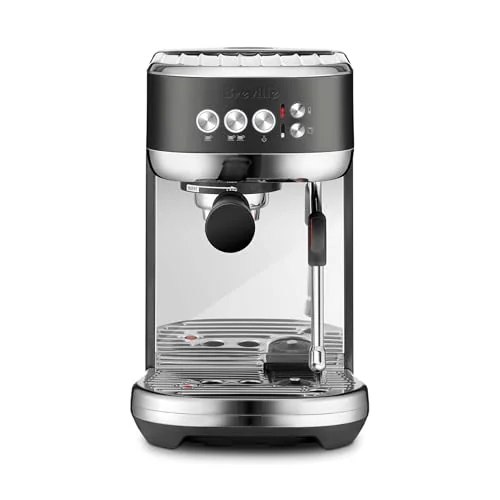
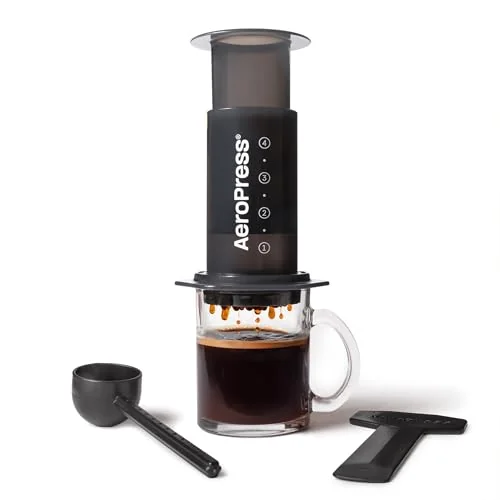
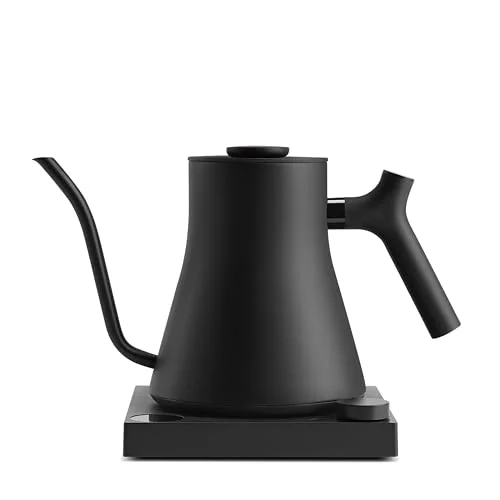
Brew Guatemala coffee with
The gear that suits this origin's character. A good grinder helps every cup.
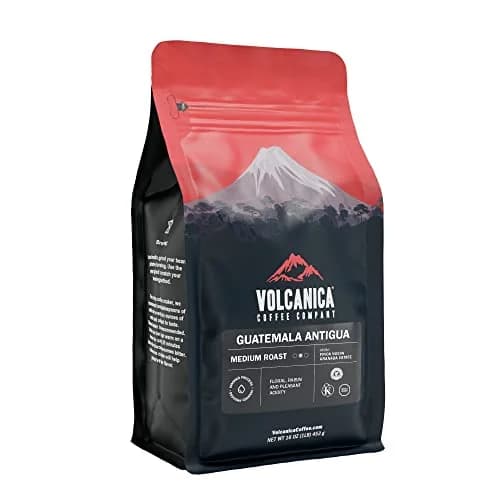
Beans with this profile
Widely available coffees that lean into Guatemala's flavor character.
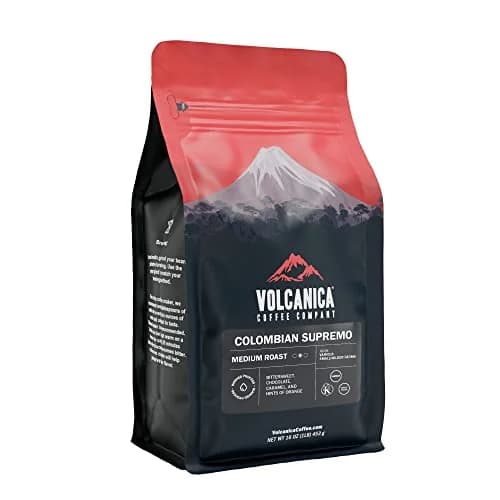
Bean guides for this taste
Ranked picks that lean into Guatemala's profile — with a top choice and buying advice.