Coffee from Costa Rica
The home of honey processing and the micro-mill movement. Costa Rican coffee is clean, sweet, and bright — citrus and brown sugar — and the country's experimentation with honey and natural processing has made it a specialty darling.
Updated
The cup
Cup profile
Typical roast
Tasting notes
Growing regions
Tarrazú
1,200–1,900mHigh-altitude, bright, clean — the benchmark region.
West Valley
1,200–1,650mHeart of the micro-mill movement — expressive honeys.
Central Valley
1,000–1,400mBalanced, sweet, and approachable.
How to brew it
This is a bright, expressive origin — pour-over and filter methods show off its acidity and aromatics. Keep the roast on the lighter side.
The context
Costa Rica banned the planting of robusta by executive decree in 1988 and eradicated existing plantations in 1990, according to ICAFE, the Costa Rican Coffee Institute, to keep the country an arabica origin. Its micro-mills let individual farms process and sell their own distinctive lots; USDA reports the number of mills rose from 210 to 308 in a decade.
Common questions
Does Costa Rica grow robusta?
Not commercially. An executive decree banned planting robusta in 1988, and ICAFE, the Costa Rican Coffee Institute, says existing plantations were removed through an eradication programme in 1990. The coffee you buy from Costa Rica is arabica.
What are Costa Rica's coffee regions?
ICAFE's map, reproduced by USDA, shows eight: Tarrazú (Los Santos), West Valley (Valle Occidental), Central Valley, Tres Ríos, Brunca (Pérez Zeledón and Coto Brus), Turrialba, Orosi and Guanacaste. USDA reports Tarrazú has been the highest-producing canton for seven years running.
When is coffee harvested in Costa Rica?
USDA reports the harvest is concentrated from November to February, but it starts around August in the lower, southern areas and can run to May at high altitude, so lots from different regions ripen at different times.
What is a Costa Rican micro-mill?
A very small mill that processes coffee for a handful of nearby farms, so a single farm can sell its own lot instead of pooling it. USDA counts 308 mills in Costa Rica, up from 210 a decade earlier, driven by this shift toward micro-lots.
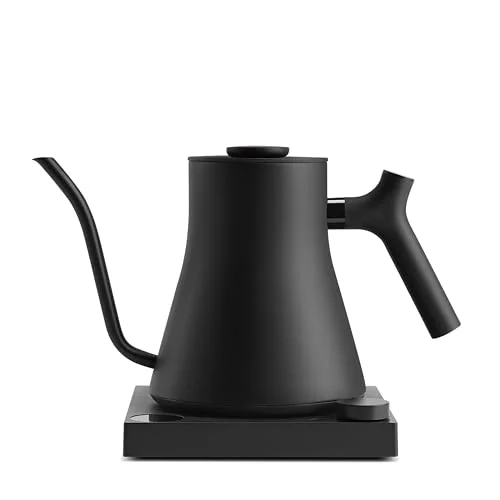
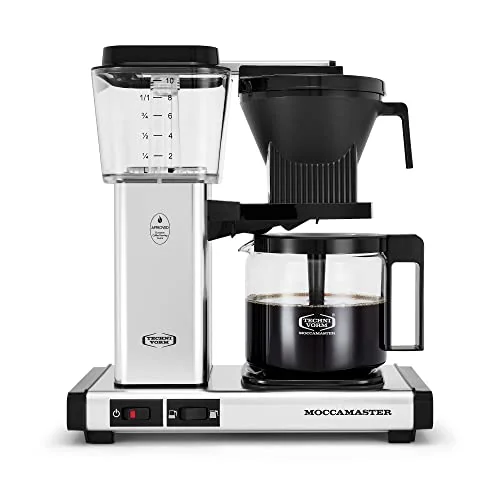
Brew Costa Rica coffee with
The gear that suits this origin's character. A good grinder helps every cup.

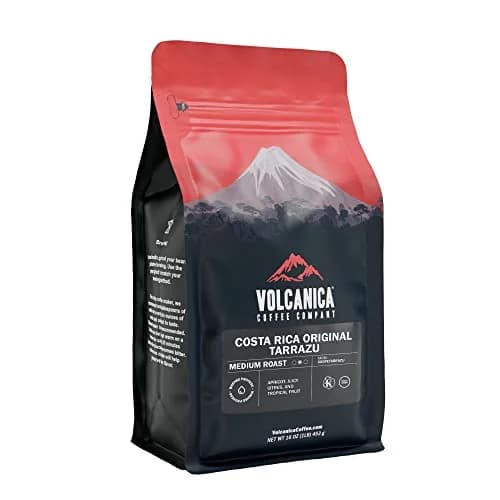
Beans with this profile
Widely available coffees that lean into Costa Rica's flavor character.