Coffee from Colombia
The reliable crowd-pleaser. Colombian coffee is balanced and approachable — caramel sweetness, gentle citrus, and a clean body — which makes it as good in espresso as it is in drip. Two harvests a year mean it's almost always fresh.
Updated
The cup
Cup profile
Typical roast
Tasting notes
Growing regions
Huila
1,200–1,800mSweet, fruity, and balanced — Colombia's most celebrated region.
Nariño
1,800–2,300mVery high altitude near the equator — bright, complex, vibrant.
Tolima
1,200–1,900mSweet and rounded, often with red-fruit notes.
Santander
1,200–1,700mLower, warmer — fuller-bodied and chocolatey.
How to brew it
This is a bright, expressive origin — pour-over and filter methods show off its acidity and aromatics. Keep the roast on the lighter side.
The context
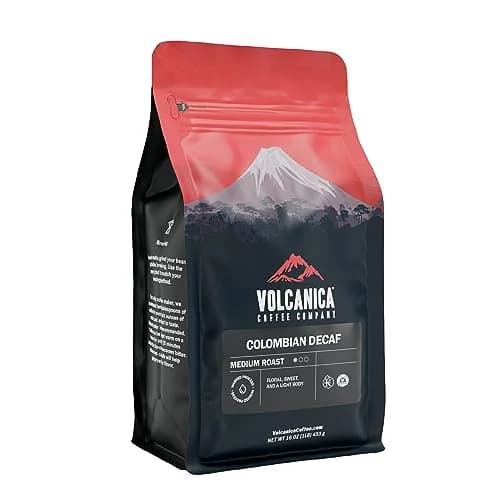
Smallholder farming is the backbone — the Federación Nacional de Cafeteros (and 'Juan Valdez') built Colombia's global reputation for consistent, washed coffee. Colombia is also where decaf stops being a compromise: Volcanica's Colombian Decaf uses the chemical-free Swiss Water process and keeps the caramel-and-chocolate sweetness this origin is known for. Our best decaf coffee guide, linked below, names it the best overall decaf and ranks it against the rest.
Common questions
When is coffee harvested in Colombia?
Twice a year. USDA, drawing on the Colombian Coffee Growers Federation, describes a main harvest from October to December and a second, smaller mitaca crop from April to June that is concentrated in the central coffee region; some areas harvest year-round.
What does Café de Colombia on the bag mean?
It is a protected origin name. Colombian coffee became a Denomination of Origin in Colombia in 2005, and the European Union protected Café de Colombia as a geographical indication in 2007, followed by Switzerland in 2013 and the United Kingdom in 2020.
What is Castillo coffee?
Castillo is a disease-resistant Colombian arabica variety. USDA reports that 87 percent of Colombia's coffee area is now planted with rust-resistant varieties, up from 35 percent in 2010, and that Cenicafé, Colombia's coffee research centre, released an updated Castillo 2.0 in December 2024 that is more resistant to disease and climate stress.
How much coffee does Colombia produce?
USDA forecasts about 13.4 million 60-kilogram bags for 2026/27, and counts all of it as arabica, making Colombia the world's second-largest arabica producer after Brazil.
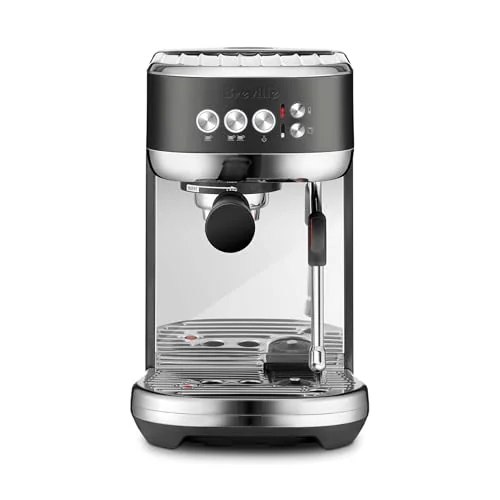
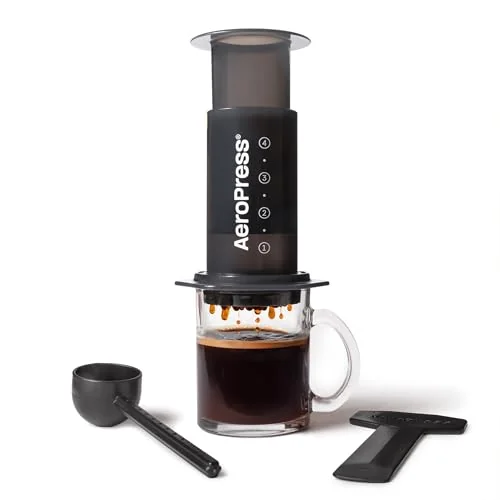
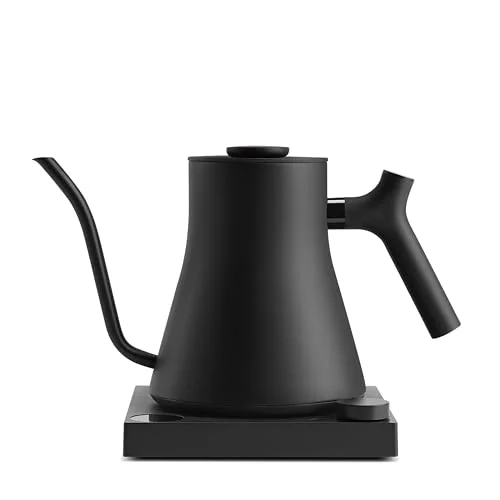
Brew Colombia coffee with
The gear that suits this origin's character. A good grinder helps every cup.
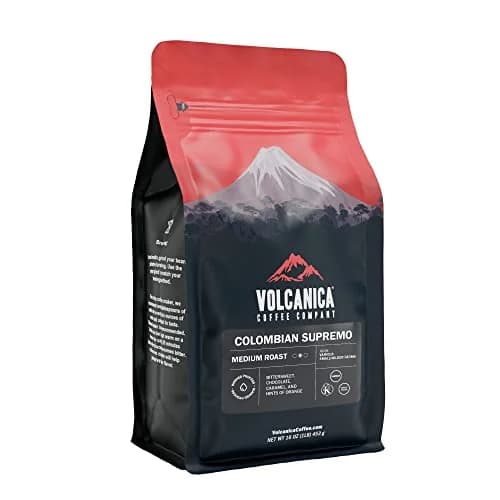
Beans with this profile
Widely available coffees that lean into Colombia's flavor character.
Bean guides for this taste
Ranked picks that lean into Colombia's profile — with a top choice and buying advice.