Coffee from Brazil
The world's largest producer and the backbone of most espresso blends. Brazilian coffee is low-acid, nutty, and chocolatey with a heavy body — the safe, comforting choice for milk drinks and anyone who finds bright coffees too sour.
Updated
The cup
Cup profile
Typical roast
Tasting notes
Growing regions
Sul de Minas
900–1,300mRolling hills of Minas Gerais — sweet, nutty, classic Brazil.
Cerrado Mineiro
900–1,250mFlat, mechanized, consistent — chocolate and caramel.
Mogiana
900–1,200mBetween São Paulo and Minas — full-bodied and sweet.
How to brew it
This is a full-bodied, lower-acid origin — it shines in immersion and espresso, where its richness comes through.
The context
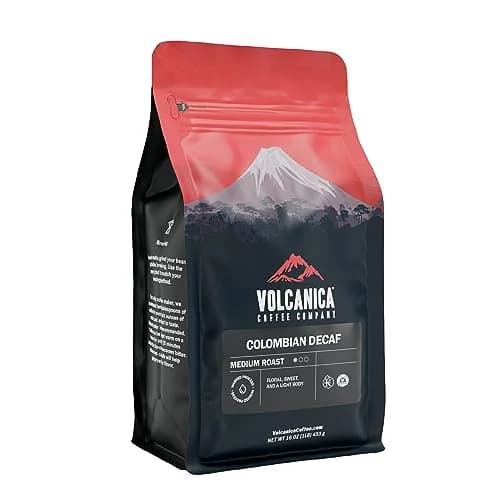
Coffee built modern Brazil. Its scale and natural processing make it the dependable base note in espresso blends worldwide. If that nutty, chocolatey cup is what you are after, our best chocolatey and nutty coffee guide, linked below, ranks the bags that lean the same way; if it is caffeine you want to cut, the best decaf coffee guide covers Swiss Water decafs with the same profile.
Common questions
How much of the world's coffee comes from Brazil?
USDA puts Brazil at nearly 40 percent of world production, and between 40 and 50 percent of the world's arabica depending on the year. Arabica trees alternate between heavy and light crops, and in Brazil that on-year, off-year cycle tends to move the whole market.
Does Brazil grow robusta?
Yes, a lot of it. Brazil's robusta, known locally as conilon, is about a third of its crop, and USDA reports that around 70 percent of it is grown in Espírito Santo. Most arabica comes from Minas Gerais, which grows over 70 percent of Brazil's arabica.
When is coffee harvested in Brazil?
USDA reports that Brazil's robusta harvest starts in April and arabica in May, with the harvest wrapping up by September.
Why do Brazil's harvests swing from year to year?
Arabica trees alternate between high-yielding and lower-yielding years, and USDA notes the pattern is especially strong in Brazil: its arabica grows on elevated plateaus and rolling hills with fairly uniform weather rather than in varied mountain microclimates, so frost, heat or drought push large areas into the same off-year at once. The same flat terrain allows mechanised pruning and harvesting.
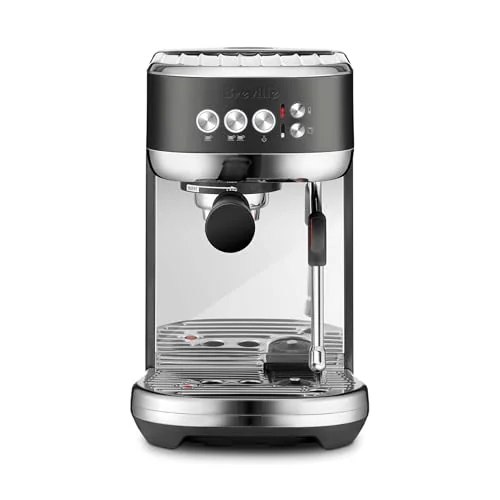
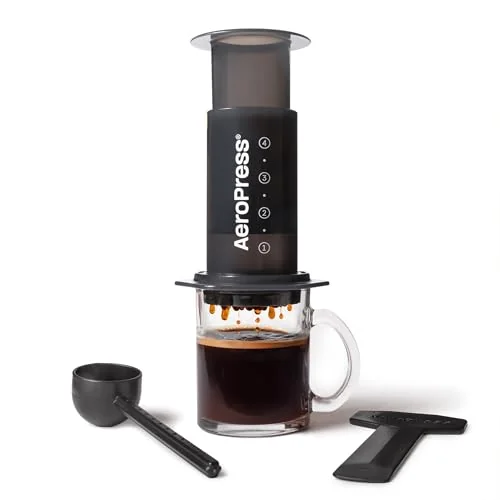
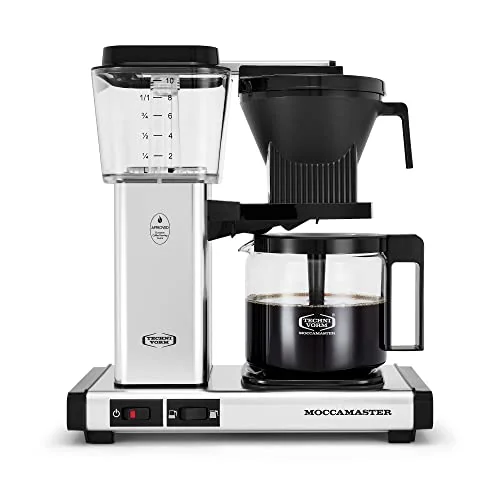
Brew Brazil coffee with
The gear that suits this origin's character. A good grinder helps every cup.
Beans with this profile
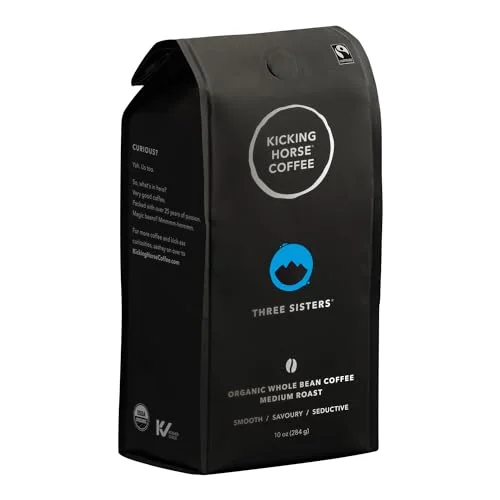
Widely available coffees that lean into Brazil's flavor character.
Bean guides for this taste
Ranked picks that lean into Brazil's profile — with a top choice and buying advice.