Should You Freeze Coffee Beans? What Actually Works
Yes, you can freeze coffee beans, and it is a good idea for beans you will not finish within about two to four weeks. Freeze them once in airtight, single-use portions, grind straight from frozen, and never refreeze thawed beans. For beans you will drink within a couple of weeks, an airtight opaque canister at room temperature is the better choice.
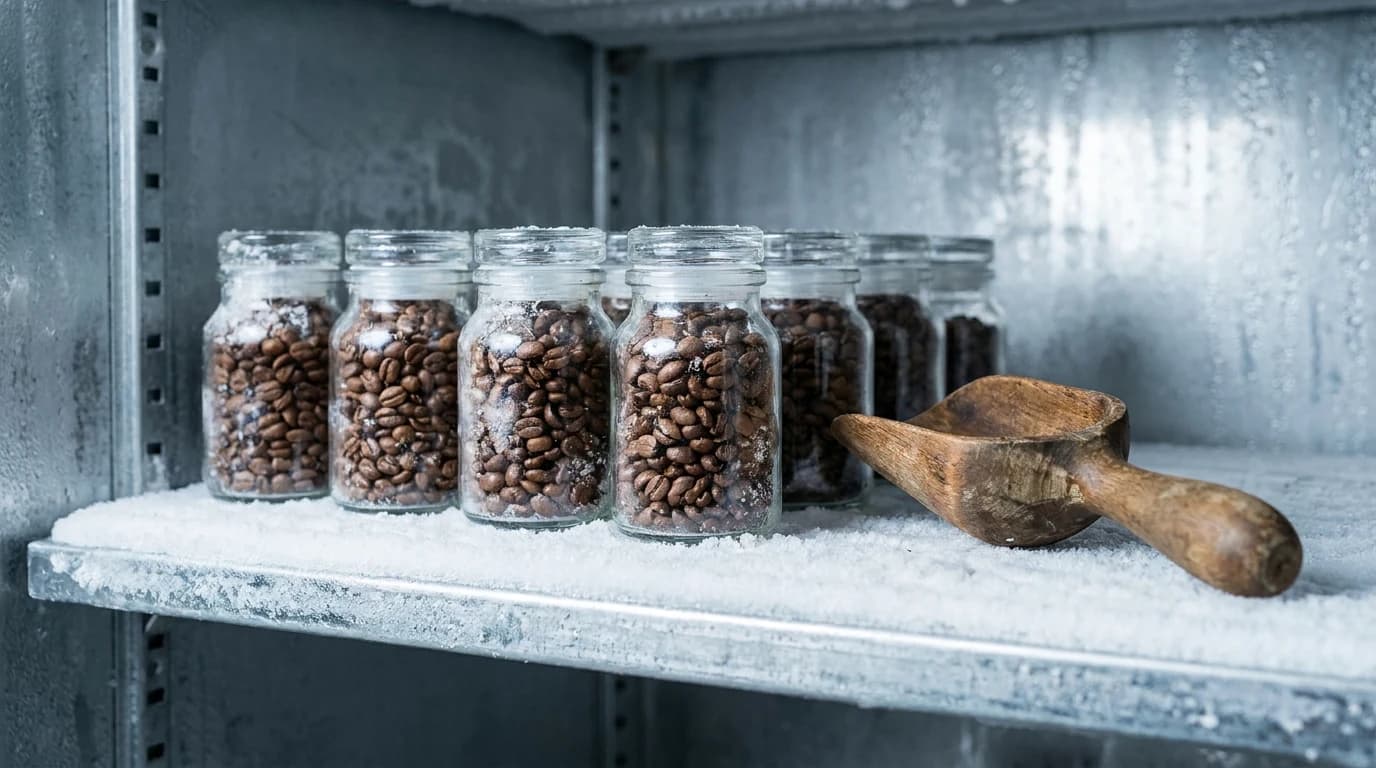
Key takeaways
- Freezing is for long-term storage, not everyday beans. Use it for anything you will not finish in about two to four weeks.
- The enemy is moisture and temperature cycling, not the cold itself. Freeze once, in airtight single-use portions, and grind straight from frozen.
- Never refreeze thawed beans. Every thaw invites condensation that dulls the coffee and can make it taste flat or stale.
- For beans you will drink soon, an airtight opaque canister at room temperature beats the freezer with less hassle.
Freezing coffee beans has a bad reputation it does not fully deserve. For years the advice was simple and wrong: never put coffee anywhere near the freezer. The truth is more useful. Freezing works well for one specific job, and fails badly when used for the wrong one.
Here is the short version. Freeze beans you will not finish within about two to four weeks. Do it once, in airtight single-use portions, and grind straight from frozen. For beans you will drink sooner than that, skip the freezer and use an airtight opaque canister at room temperature. The method matters more than the freezer itself.
Why freezing gets a bad name
The damage people blame on freezing almost always comes from doing it carelessly. The real enemies of stored coffee are oxygen, moisture, and temperature cycling. When you pull a bag of beans out of the freezer, use a scoop, and put the rest back, you invite all three problems at once. Warm, humid air rushes into the cold bag, condensation forms on the beans, and the next time you open it the cycle repeats.
That is what makes coffee taste flat, papery, or stale. It is not the cold. Owner reports and specialty-coffee guidance generally agree on this point: beans frozen once and sealed tight hold their character remarkably well, while beans that are frozen, thawed, and refrozen suffer quickly. The National Coffee Association, which notes that views on freezing differ, allows one shortcut if you keep a single airtight container: take out no more than a week's worth quickly and put the rest back before condensation forms.
The actual rule: it is not "don't freeze coffee," it is "don't open the same frozen bag twice." Every failure story is a re-opening story.
The right way to freeze beans
The method is straightforward once you accept the core rule: each portion gets frozen once and opened once. Never refreeze thawed beans.
Five steps, in order
- Portion first. Divide beans into single-use amounts, roughly what you would brew in a few days. Small canning jars, vacuum-sealed bags, or heavy zip bags with the air pressed out all work.
- Seal airtight. The goal is to keep moisture out. The tighter the seal, the better the result.
- Freeze and forget. Store the portions flat and leave them alone until you need one.
- Grind straight from frozen. Do not thaw first. Cold beans shatter cleanly, and grinding immediately means condensation never gets a chance to form. If you want to fine-tune the result, our grind size guide walks through where to start.
- Use the whole portion. Once a portion is open, treat it like any fresh bag and finish it within a couple of weeks at room temperature.
Why single use is the whole trick
That single-use discipline is the whole trick. It is why a chest freezer full of correctly portioned beans can taste better in month three than an open bag on the counter tastes in week three.
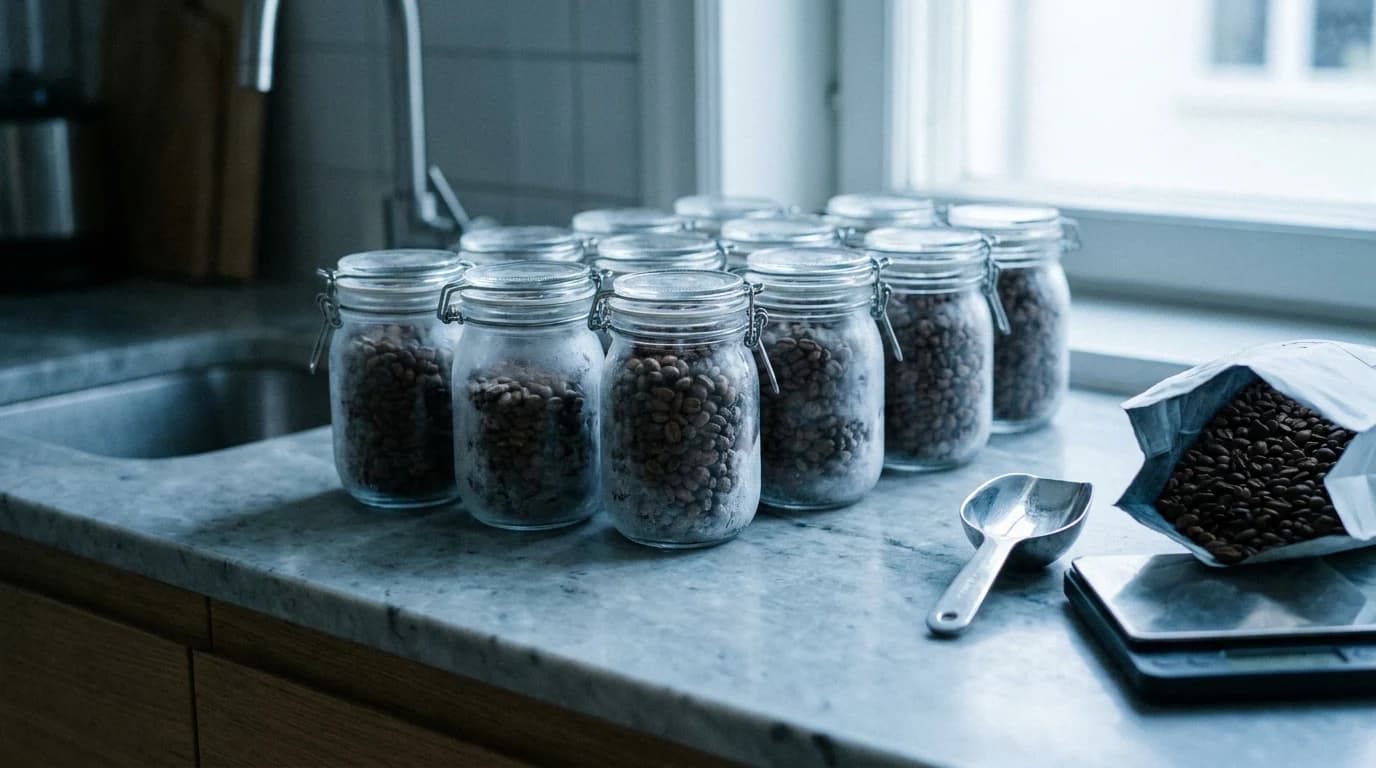
Freeze or counter? A quick guide
| Situation | Best choice | Why |
|---|---|---|
| Beans you will finish in 2 to 4 weeks | Airtight opaque canister, room temp | Simpler, no condensation risk, plenty fresh |
| A bulk buy or a bag you cannot use soon | Freeze in single-use portions | Locks in freshness for months |
| A rare or special roast you want to ration | Freeze in small portions | Consistency over a long stretch |
| Beans you have already thawed | Use them now, do not refreeze | Refreezing invites moisture and staling |
| Pre-ground coffee | Neither is great; buy less, grind fresh | Ground coffee stales fast regardless |
Do and do not
| Do | Do not |
|---|---|
| Freeze in airtight single-use portions | Freeze one big bag you reopen daily |
| Grind straight from frozen | Thaw beans on the counter before grinding |
| Freeze once and use the portion up | Refreeze beans that have thawed |
| Keep everyday beans in a sealed canister | Store beans loose in the fridge |
What about room-temperature storage?
For most people, most of the time, the freezer is overkill. If you buy a bag and drink it within two to four weeks, an airtight opaque container in a cool cupboard is all you need. Air, light, heat, and moisture are the four things to keep out, and a good canister handles all of them. We cover the trade-offs between designs in our coffee storage roundup, and if you want to understand exactly how beans lose their punch over time, our companion piece on coffee freshness explained goes deeper.
Why the fridge is the worst option
The fridge is the one place to avoid entirely:
- It is humid, so condensation forms on the beans.
- It cycles temperature constantly as the door opens.
- Coffee is porous and happily absorbs the smell of last night's leftovers.
- It is not cold enough to actually arrest staling the way a freezer is.
If you are choosing between the fridge and the counter, the counter wins every time.
The specialty-coffee angle
If freezing were truly ruinous, the people most obsessed with flavor would never do it. In fact, plenty of specialty roasters and competition baristas freeze beans deliberately, precisely because it lets them serve the same coffee at the same quality over a long period. Their approach mirrors the home version: tiny airtight portions, frozen once, pulled out and used without ever going back in. The scale is different, but the principle is identical.
That is the reassuring part. Freezing is not a desperate last resort. Done properly, it is a legitimate tool that some of the fussiest coffee people rely on.
Does grinding matter more than storage?
Storage protects freshness, but grinding is where freshness gets spent. Ground coffee has vastly more surface area exposed to air, so it stales in minutes and hours rather than days and weeks. That is why freezing whole beans and grinding on demand beats freezing pre-ground coffee by a wide margin. If your grinder is not keeping up, our grinders guide and our tool for measuring freshness can help you spot where flavor is leaking out of your routine.
The bottom line
Should you freeze coffee beans? Yes, when the job calls for it:
- Freeze what you cannot drink within two to four weeks, in airtight single-use portions, once.
- Grind it straight from the freezer, never thawed.
- Store everyday beans in a sealed opaque canister at room temperature.
- Skip the fridge entirely.
Get those few things right and cold storage becomes a genuine freshness tool rather than the flavor-killer it is often accused of being.
Your next step
Choose storage for the amount you will actually use: daily beans need a different routine from frozen single-use portions.
Airtight storage for the beans you keep out
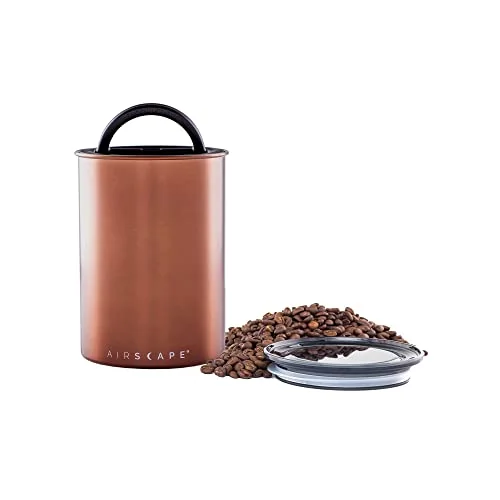
Airscape Coffee Canister
A plunger lid pushes the air out and seals with a satisfying click — simple, effective, no electronics.
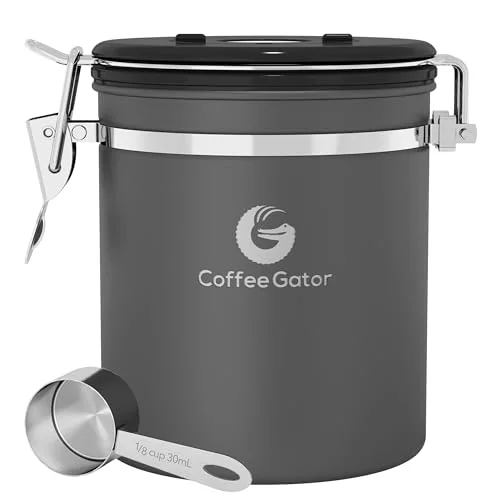
Stainless Canister with CO2 Valve
A one-way CO2 valve lets fresh beans degas without letting oxygen back in — ideal for just-roasted bags.
BrewSift earns a commission on qualifying purchases made through these links, at no extra cost to you. Prices shown were checked on publication and change often.
FAQ
Does freezing coffee beans ruin them?
No, when done correctly it preserves them. Beans are damaged by moisture and repeated warming and cooling, not by cold storage itself. Sealing them airtight in single-use portions and grinding straight from frozen avoids the condensation that causes trouble.
Should I grind frozen beans or let them thaw first?
Grind them straight from frozen. Thawing before grinding lets condensation form on the cold beans, which is exactly what you want to avoid. Cold beans also tend to shatter more evenly, which many people find gives a more consistent grind.
How long do frozen coffee beans last?
Kept sealed and unopened in the freezer, quality holds up for a few months and often longer. The key is that each portion is opened only once, brought to room temperature only once, and used up rather than returned to the freezer.
Can I freeze ground coffee too?
You can, but it helps less. Ground coffee has far more surface area exposed to air and stales quickly no matter how it is stored, so freezing only slows an already fast decline. Freezing whole beans and grinding fresh gives a much better result.
Is the fridge a good place to store coffee?
No, the fridge is the worst of both worlds. It is humid, it cycles temperature every time the door opens, and coffee readily absorbs food odors. If you are not freezing, keep beans in an airtight opaque container in a cool cupboard instead.
Sources
- National Coffee Association — Storage and shelf life (airtight, opaque, cool storage; grind just before brewing; freezing guidance; freshness windows by storage type)
- Uman et al. (2016), Scientific Reports — The effect of bean origin and temperature on grinding roasted coffee (colder beans grind to a narrower particle distribution)