Pre-ground coffee is the way most people actually buy coffee, and a good bag beats a stale whole bean every time. What separates the bags worth buying is roast level, a 100 percent arabica blend, a grind that suits your brewer, and a size you will finish before it fades. These seven pre-ground coffees cover dark, medium and light, budget and premium, low-acid, decaf and the New Orleans chicory classic.
Look for: a roast level you already like, 100 percent arabica, a drip-friendly grind, and a bag you will finish in a couple of weeks.
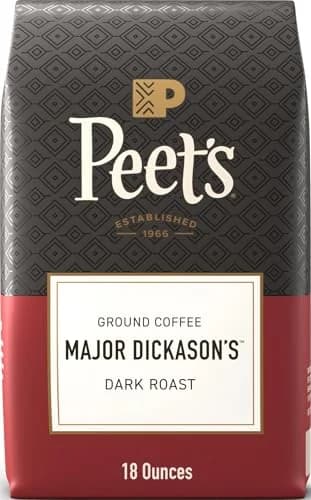
Peet's signature dark blend in a pre-ground bag, and owner reviews consistently report a heavy, low-acid cup that holds up to milk.
dark chocolatetoasted nutwarm spice
Acidity
Mild
Body
Heavy
Sweetness
Balanced
Brews: Drip · Pour-over · French press
Why this one: Peet's signature dark blend is the pre-ground bag that loses least to grinding, because its dark chocolate, toasted nut and warm spice are heavy, roasty notes rather than delicate ones. It is low in acidity (2/5) with a maximum body (5/5), so it tastes full in a drip machine and owner reviews consistently report it holds up to milk. The 18 oz bag at around $16 is good value for the quality. The trade-off is the roast: if you dislike smoky dark coffee, start with the medium picks below.
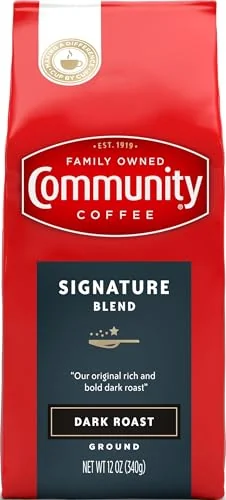
A Louisiana family roaster's flagship dark blend, and the roaster describes it as roasted for a deep chocolate profile in drip, pour-over or cold brew.
chocolatecaramelroast
Acidity
Mild
Body
Full
Sweetness
Balanced
Brews: Drip · Cold brew · Pour-over
Why this one: At around $8 for 12 oz, the Louisiana family roaster's flagship dark blend is the cheapest bag here, and the roaster describes it as roasted for a deep chocolate profile in drip, pour-over or cold brew. The catalog rates it chocolate and caramel with low acidity (2/5) and a fairly full body (4/5). It is a straightforward, roast-forward cup rather than a nuanced one, which is exactly what a budget everyday bag should be.
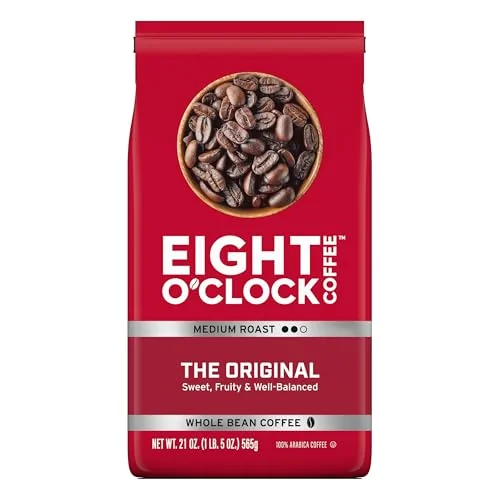
A long-running 100 percent arabica supermarket staple, and forum consensus tends to name it the value pick when the alternative is a canned robusta blend.
sweetlight fruitbalanced
Acidity
Medium
Body
Medium
Sweetness
Sweet
Brews: Drip · Cold brew
Why this one: A long-running 100 percent arabica supermarket staple, and a balanced medium roast: sweet (4/5) with moderate acidity and body, so it suits people who find dark roasts burnt. Check the price before you buy. The 21 oz bag listed at about $30 on Amazon when we last checked, which works out to more per ounce than every other bag here except Lifeboost, so choose it for the profile rather than to save money. A bag this size also only stays good if you get through it quickly; decant a week's worth and keep the rest sealed.
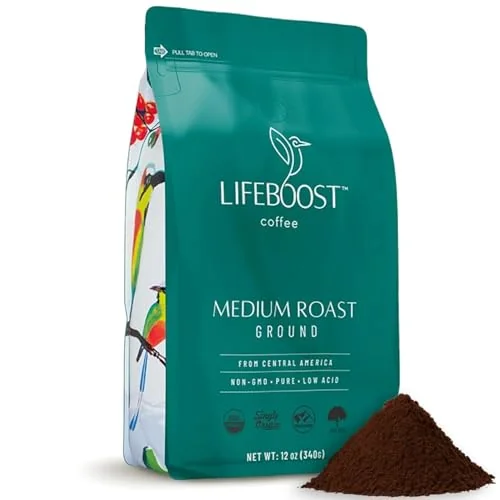
Marketed as a low-acid single-origin organic ground coffee, and owner reviews from people with sensitive stomachs report it sits easier than a standard supermarket roast.
mild chocolatesoft caramelsmooth finish
Acidity
Soft
Body
Medium
Sweetness
Balanced
Brews: Drip · Pour-overOrganic
Why this one: Marketed as a low-acid single-origin organic ground coffee, and the catalog rates it the lowest on acidity of any pick here (1/5), with mild chocolate and soft caramel. Owner reviews from people with sensitive stomachs report it sits easier than a standard supermarket roast. It costs roughly three times the budget picks, so it earns its place only if acidity is the reason you are shopping.
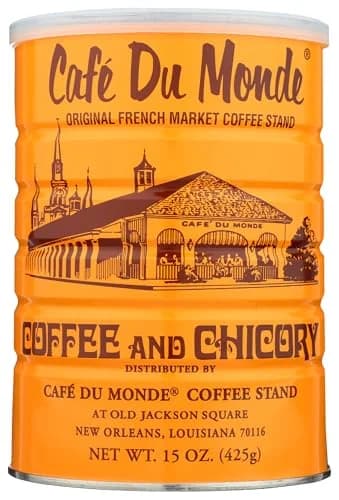
The New Orleans chicory blend most people mean when they say cafe au lait, and owner reviews report it tastes noticeably better cut with hot milk than drunk black.
chicoryroasted nutbittersweet cocoa
Acidity
Mild
Body
Heavy
Sweetness
Balanced
Brews: Drip · French press · Milk drinks
Why this one: The New Orleans coffee-and-chicory blend most people mean when they say café au lait. Roasted chicory root adds a bittersweet, cocoa-like depth and a heavy body (5/5), and owner reviews report it tastes noticeably better cut with hot milk than drunk black. Chicory is not coffee, so expect a different, earthier cup than a straight blend; it is a style to choose on purpose.
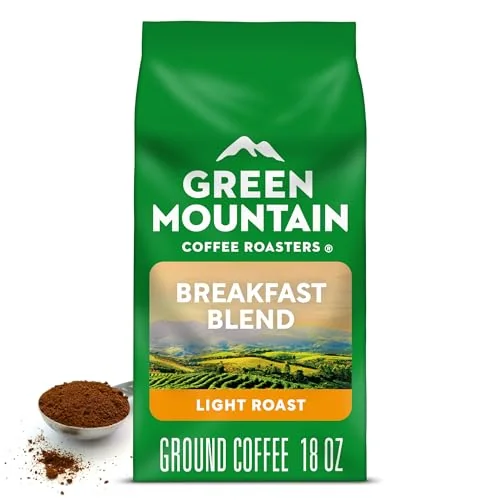
A widely stocked light roast the roaster describes as bright and balanced, and owner reviews report it as an easy everyday drip coffee rather than a standout.
nuttylight caramelclean finish
Acidity
Lively
Body
Light–med
Sweetness
Balanced
Brews: Drip · Pour-over
Why this one: A widely stocked light roast the roaster describes as bright and balanced, with nutty and light caramel notes and a light body (2/5). Owner reviews report it as an easy everyday drip coffee rather than a standout, and that is its job: the mild, clean morning cup for people who find dark roast too heavy.
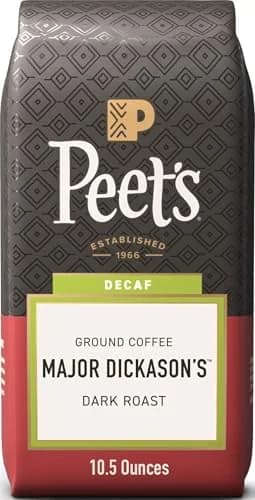
The decaffeinated version of Peet's flagship blend in a ground bag, and owner reviews report it keeps more of the original's weight than most supermarket decafs.
dark chocolatetoasted nutspice
Acidity
Mild
Body
Full
Sweetness
Balanced
Brews: Drip · Pour-overDecaf
Why this one: The decaffeinated version of Peet's flagship blend in a ground bag, with the same dark chocolate, toasted nut and spice. Owner reviews report it keeps more of the original's weight than most supermarket decafs, which is the usual failure of ground decaf. The smaller 10.5 oz bag also suits the slower pace most decaf gets drunk at.
Weigh your ground coffee rather than scooping it: pre-ground coffee settles and packs differently from bag to bag, and the coffee ratio calculator on BrewSift gives you a starting dose for any brewer. If a pre-ground bag tastes harsh in a French press, shorten the steep rather than using less coffee.
Ground coffee or whole bean: what you actually give up
Grinding exposes far more of the coffee to air, so the aromatic compounds that carry flavor escape much faster from ground coffee than from whole beans. That is the whole trade. A good pre-ground bag, opened and finished within a couple of weeks, still makes a better cup than whole beans that have sat open for two months. What pre-ground cannot do is flex: the grind is fixed at the factory, usually for auto-drip, so you cannot go finer for a moka pot or coarser for a French press. Roast level also changes how much you lose. Dark and chocolatey coffees keep their character better once ground than bright, floral light roasts, which is why most of the picks here sit at medium or dark. If you already own a burr grinder, whole bean is better; if you do not, buying well-chosen ground coffee in the right size is a perfectly good way to drink well.
Match the grind to your brewer
Most supermarket ground coffee is ground for automatic drip machines, a medium grind that also works in most pour-over cones. That covers the majority of kitchens. Problems start when the brewer wants something else. A French press needs a coarse grind; drip-ground coffee in a press over-extracts and leaves sludge in the cup, so use a finer mesh or shorten the steep. Cold brew also prefers coarse, but a long steep is forgiving, which is why the roaster of Community Coffee's Signature Blend lists cold brew among its uses. Espresso machines need a far finer grind than any bag here, so coffee sold pre-ground for espresso is a separate product. If your cup tastes bitter and harsh, the grind is probably too fine for your brewer; thin and sour means too coarse or too short.
Three things on the label matter more than the brand. First, roast level: it predicts flavor more reliably than any tasting note, with light roasts bright, medium roasts sweet and balanced, and dark roasts heavy and roasty. Second, the bean: 100 percent arabica generally means a smoother, more aromatic cup, while blends that include robusta are cheaper, more bitter and higher in caffeine. Third, the date: a roast date tells you freshness directly, while many supermarket bags print only a best-by date, which says when the coffee stops being sold rather than when it is at its best. Tasting notes on the bag are the roaster's description rather than a guarantee, and words like bold or smooth are not regulated, so treat them as a direction rather than a promise.
How to keep ground coffee fresh
The enemies are air, light, heat and moisture, and ground coffee is more exposed to all four than whole bean. Keep the bag rolled tight and clipped, or better, move the coffee into an airtight, opaque container and keep it at room temperature in a cupboard away from the stove. The fridge is a bad home, because coffee absorbs odours and condensation forms every time the cold container meets warm kitchen air. The freezer only makes sense for an unopened portion you will not touch for weeks; freeze it sealed and do not return thawed coffee to it. Most of all, buy a bag size you will finish quickly. A large bag is only cheaper per cup if the last scoop still tastes like coffee.
Ground coffee is almost always the cheaper way to make a cup at home, because a bag of coffee costs far less per serving than the same coffee sealed into individual pods, and a drip machine or a pour-over cone costs little to run. Pods win on convenience and consistency, not price. If you are weighing the two, the pod vs beans cost calculator on BrewSift works out the per-cup difference from your own prices and habits, and the pod price index ranks what common pods actually cost per cup.
When you buy through links on BrewSift, we may earn an affiliate commission. This is how we fund independent research — it never influences our scores or which products we recommend. How we score & stay independent →
Not sure which is right for you?
The taste quiz narrows it to three picks matched to exactly how you brew and what you like.
Peet's Major Dickason's Blend ground is the best all-rounder here: a dark blend with dark chocolate and toasted nut, low acidity and a full body that holds up to milk, in an 18 oz bag at around $16. For a balanced medium roast, Eight O'Clock The Original. On a tight budget, Community Coffee's Signature Blend dark roast costs around $8 for 12 oz. For low acidity, Lifeboost's medium roast ground.
What is the best ground coffee for a drip coffee maker?
Nearly every bag here is ground for auto-drip, so the choice comes down to roast. Peet's Major Dickason's for a heavy dark cup, Eight O'Clock The Original for a balanced medium roast, Lifeboost's medium roast if acidity bothers you, and Green Mountain Breakfast Blend for a lighter, brighter morning cup.
What is the best ground coffee for a French press?
A dark, full-bodied blend suits a press best, so Peet's Major Dickason's or Café Du Monde coffee and chicory. The catch is grind size: supermarket ground coffee is usually ground for drip, which is finer than a press wants. Shorten the steep a little and pour carefully to keep sediment out of the cup, or buy whole bean and grind coarse if the press is your main brewer.
What is the best cheap ground coffee?
Community Coffee's Signature Blend dark roast, at around $8 for 12 oz, is the cheapest bag here, and the roaster describes it as roasted for a deep chocolate profile. Peet's Major Dickason's in the 18 oz bag is the better coffee for not much more. If you prefer a lighter roast, Green Mountain Breakfast Blend costs a little more per bag but slightly less per ounce, at around $11 for 18 oz.
Is ground coffee worse than whole bean?
It fades faster, not worse to begin with. Grinding exposes more of the coffee to air, so aroma escapes more quickly once the bag is open. A fresh, well-chosen ground coffee finished within a couple of weeks still beats stale whole beans. Whole bean wins if you own a burr grinder and want to adjust the grind for different brewers; ground wins on convenience.
What is the best low acid ground coffee?
Lifeboost's medium roast ground, which is marketed as low-acid and rated the lowest for acidity of any pick here. Dark roasts such as Peet's Major Dickason's and Community Coffee's Signature Blend are also low on acidity, because a darker roast breaks down more of the acids that taste sharp. Brewing it as cold brew lowers the extracted acids further. Our low acid coffee guide covers the topic in depth.
What is the best decaf ground coffee?
Peet's Decaf Major Dickason's Blend ground. Owner reviews report it keeps more of the original blend's weight and dark chocolate than most supermarket decafs, which tend to taste thin. The 10.5 oz bag suits the slower pace decaf usually gets drunk at, so it stays fresher to the last scoop.
How should I store ground coffee after opening?
In an airtight, opaque container at room temperature, away from the stove and sunlight. Avoid the fridge, where coffee picks up odours and moisture. Freeze only sealed portions you will not use for weeks, and do not refreeze. Above all, buy a bag you will finish quickly, since ground coffee loses aroma steadily once it is open.