Coffee from Vietnam
The world's second-largest producer and the king of robusta. Vietnamese coffee is bold, dark, and low-acid, traditionally brewed strong through a phin filter and sweetened with condensed milk. A growing specialty arabica scene is emerging in Da Lat.
Updated
The cup
Cup profile
Typical roast
Tasting notes
Growing regions
Dak Lak (Buon Ma Thuot)
500–800mThe robusta heartland of the Central Highlands.
Lam Dong (Da Lat)
1,300–1,600mHigher and cooler — Vietnam's emerging specialty arabica.
How to brew it
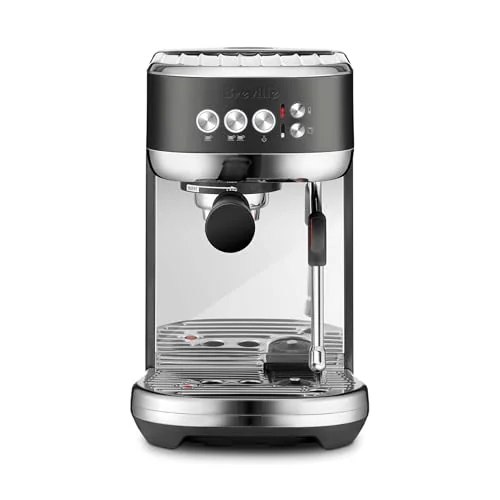
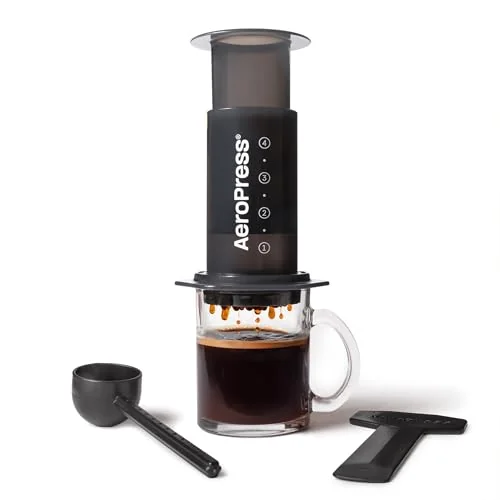
This is a full-bodied, lower-acid origin — it shines in immersion and espresso, where its richness comes through.
The context
Cà phê sữa đá — strong coffee over ice with sweetened condensed milk — and Hanoi's famous egg coffee are cultural institutions built around bold robusta.
Common questions
Is Vietnam the world's second-largest coffee producer?
Yes. USDA forecasts Vietnam at a record 32.5 million 60-kilogram bags for 2026/27, second only to Brazil, and it is the world's largest robusta producer.
Where is Vietnamese coffee grown?
In the Central Highlands. USDA reports that Dak Lak, Lam Dong, Dak Nong, Gia Lai and Kon Tum provinces hold 92 percent of Vietnam's coffee area and produce 90 percent of its output, helped by volcanic soil and distinct wet and dry seasons.
Does Vietnam grow arabica?
A little. USDA forecasts about one million bags of arabica against roughly 30 million of robusta, so arabica is a small share of the crop.
Brew Vietnam coffee with
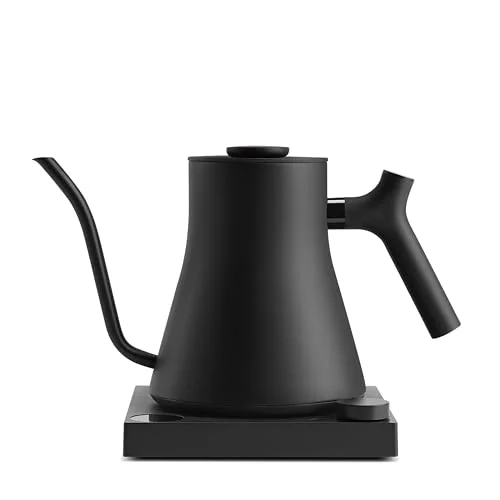
The gear that suits this origin's character. A good grinder helps every cup.
Beans with this profile
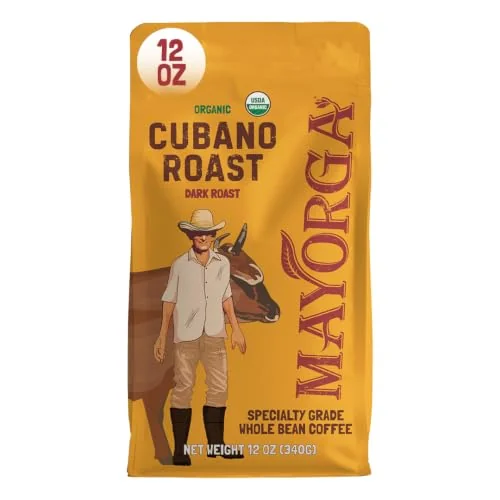
Widely available coffees that lean into Vietnam's flavor character.
Bean guides for this taste
Ranked picks that lean into Vietnam's profile — with a top choice and buying advice.