Coffee from Indonesia
Big, earthy, and unmistakable. Indonesian coffee — especially Sumatra — is low-acid and full-bodied with cedar, dark chocolate, and herbal, savory notes, the signature of its wet-hulling process. A natural fit for French press and dark-leaning espresso.
Updated
The cup
Cup profile
Typical roast
Tasting notes
Growing regions
Sumatra (Gayo, Lintong, Mandheling)
1,100–1,600mHeavy body, earthy, low-acid — the classic profile.
Sulawesi (Toraja)
1,400–1,900mCleaner than Sumatra, with spice and dark fruit.
Java
900–1,800mHistoric estates — fuller, rounder, mild acidity.
How to brew it
This is a full-bodied, lower-acid origin — it shines in immersion and espresso, where its richness comes through.
The context
Wet-hulling — pulping and hulling at high moisture — is the signature Indonesian process and a big part of the earthy, full-bodied, low-acid profile. Most Indonesian coffee is actually robusta from southern Sumatra; the specialty arabica comes mainly from northern Sumatra and highland Java, Sulawesi and Papua.
Common questions
Is most Indonesian coffee arabica or robusta?
Robusta. USDA reports robusta is roughly 80 to 90 percent of Indonesia's production, centred in southern Sumatra (South Sumatra, Lampung and Bengkulu). Indonesia's arabica comes mainly from northern Sumatra.
When is Indonesian arabica harvested?
Twice a year, according to USDA: a first harvest in April and May, and a second that normally begins in September or October.
Where does Indonesian coffee come from?
Sumatra dominates, producing between 70 and 75 percent of Indonesia's green coffee according to USDA. Smaller amounts come from the highlands of Java, Sulawesi and Papua.
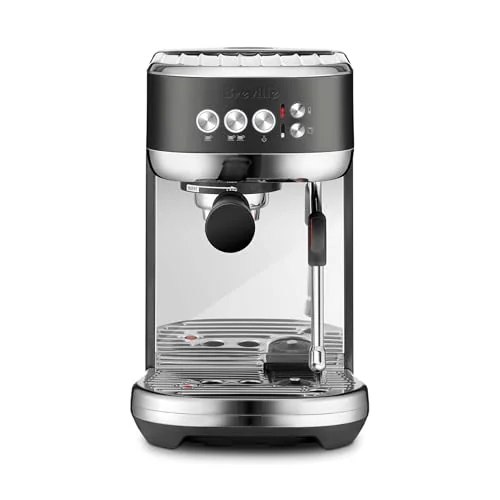
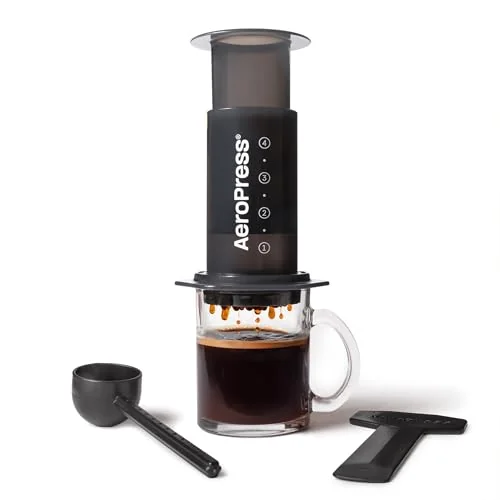
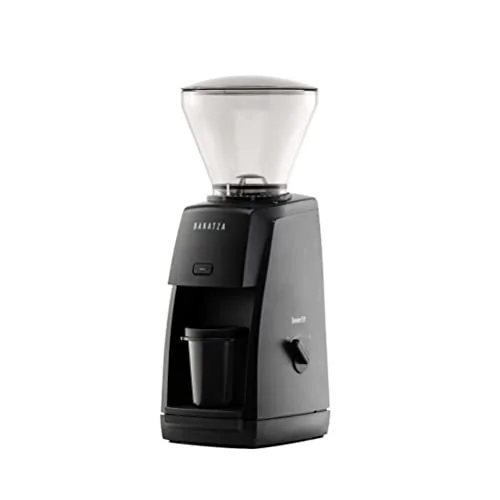
Brew Indonesia coffee with
The gear that suits this origin's character. A good grinder helps every cup.
Beans with this profile
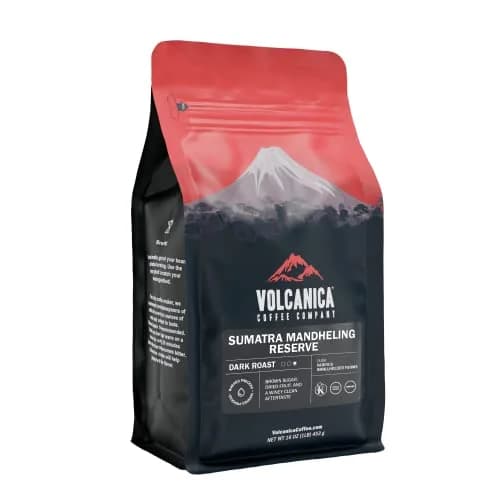
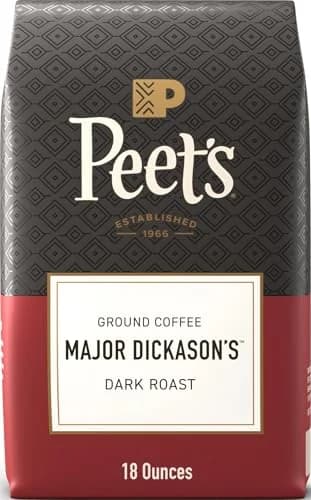
Widely available coffees that lean into Indonesia's flavor character.
Bean guides for this taste
Ranked picks that lean into Indonesia's profile — with a top choice and buying advice.