How to Use a French Press: The Ratio, the Grind and the 4-Minute Myth
Use 1 gram of coffee for every 15 grams of water, a coarse grind, water just off the boil and a 4-minute steep, then press slowly and pour all the coffee out. Size the recipe by the press's real capacity: Bodum counts a cup as about 4 oz, so an 8-cup Chambord holds 34 oz (1 liter), not 64. For that press, about 57 g of coffee to 850 g of water is a calculated 1:15 starting point.
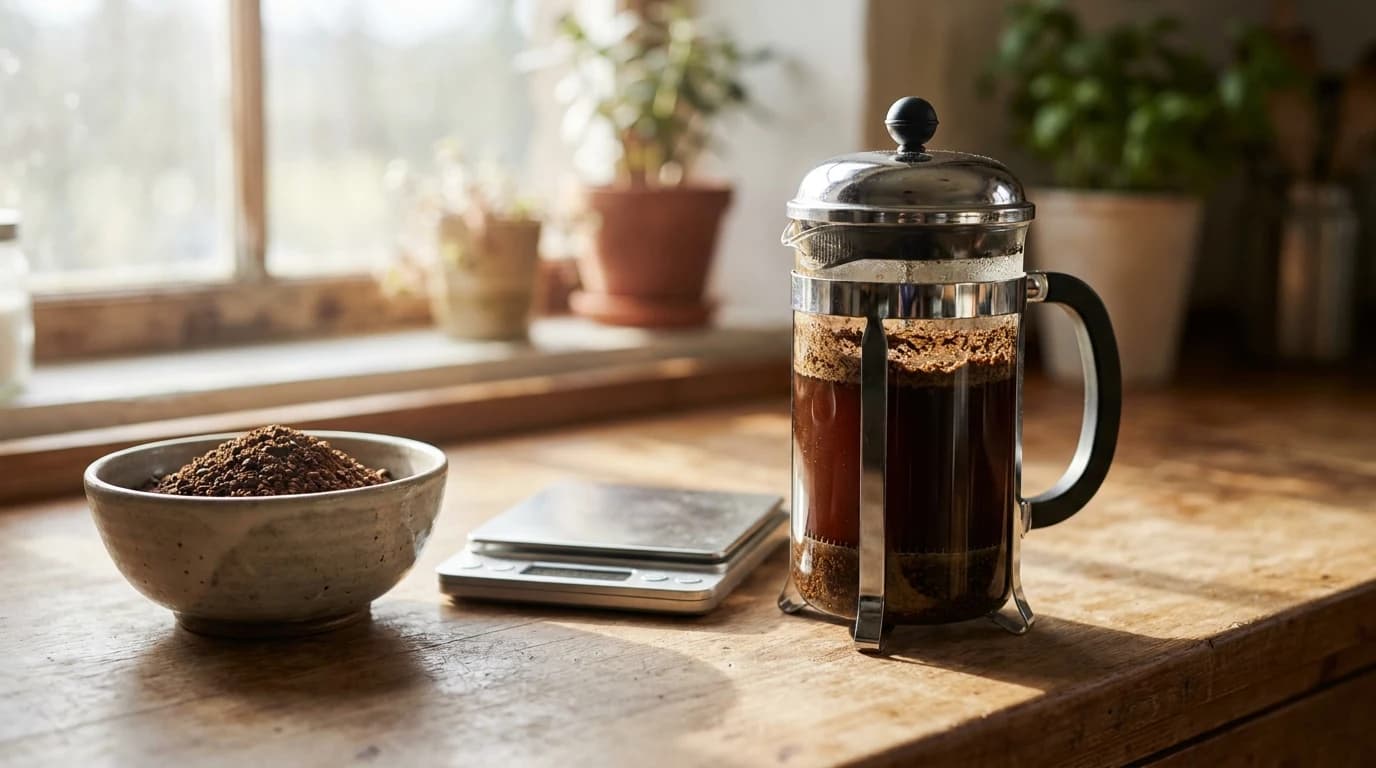
Key takeaways
- A French press cup is a European cup of about 4 oz, per Bodum, so the 8-cup Chambord holds 34 oz (1.0 l), not the 64 oz that eight US cups would suggest.
- Start at 1:15 by weight. Stumptown's 8-cup recipe of 56 g coffee to 850 g water works out to about 1:15, and Blue Bottle's no-press guide also uses 1:15.
- Grind coarse, like breadcrumbs in Stumptown's words, keep the water at least 1 inch below the rim as Bodum instructs, steep 4 minutes, then press slowly.
- Pour all the coffee out once it is pressed. Stumptown decants unserved coffee into a carafe to avoid over-extraction and bitterness.
- Four minutes is a default, not a deadline: Blue Bottle's no-press method steeps 15 minutes with a slightly finer grind and never plunges.
- The 8-cup press, 34 oz8.4BrewSift ScoreExcellent~$39.69Buy on AmazonRead review
- Budget hand grinder for French press8.1BrewSift ScoreExcellent
- Electric burr grinder, espresso to press8.1BrewSift ScoreExcellent~$199.95Buy on AmazonRead review
- 0.1 g scale with timer8.3BrewSift ScoreExcellent~$49.69Buy on AmazonRead review
Prices are approximate and change often. BrewSift earns a commission on qualifying purchases, at no extra cost to you.
Eight cups sounds like a pot for a crowd. On a French press it means 34 ounces, about four ordinary mugs of liquid before the grounds take their share. That one mismatch sits behind most recipes that come out weak, overflowing or oddly strong, so start with the size of your press and work back to the grams.
The short version: 1:15 by weight, a coarse grind, water just off the boil, four minutes, press slowly, pour everything out.
What a "cup" means on a French press
Bodum, whose Chambord is the press most recipes are written around, says all of its coffee makers are measured in European cup sizes, with one cup equal to about 4 oz. A US measuring cup is 8 oz, which is where the imagined 64-ounce press comes from. Here are the Chambord sizes as Bodum lists them:
| Chambord size | Bodum's stated capacity | In 8 oz US cups (calculated) |
|---|---|---|
| 3-cup | 0.35 l / 12 oz | 1.5 |
| 4-cup | 0.5 l / 17 oz | About 2 |
| 8-cup | 1.0 l / 34 oz | About 4 |
| 12-cup | 1.5 l / 51 oz | About 6 |
That capacity is the whole vessel, not the brew. Bodum's instructions say to leave at least 1 inch (2.5 cm) at the top, and the coffee takes up room too, so the water you pour is always less than the number on the box. The 8-cup Chambord is the size most household recipes assume, Stumptown's included.
French press ratio by press size
A ratio like 1:15 means 1 gram of coffee for every 15 grams of water, both weighed. Weight beats scoops because, as Blue Bottle points out, a scoop of coffee varies in density with the bean and the roast. Water is the easy half: 1 ml weighs about 1 g, so the scale reads it directly.
The brew water below is scaled from Stumptown's recipe, which puts 850 g of water in an 8-cup press, or 85% of its 1-liter capacity. Every coffee figure is calculated and rounded to the nearest gram:
| Press size | Brew water | 1:12 (strong) | 1:15 (start here) | 1:17 (lighter) |
|---|---|---|---|---|
| 3-cup (12 oz) | 300 g | 25 g | 20 g | 18 g |
| 4-cup (17 oz) | 425 g | 35 g | 28 g | 25 g |
| 8-cup (34 oz) | 850 g | 71 g | 57 g | 50 g |
| 12-cup (51 oz) | 1,275 g | 106 g | 85 g | 75 g |
Why 1:15 is the default: Stumptown's 56 g to 850 g works out to about 1:15, and Blue Bottle's no-press guide uses 1:15 outright. Move toward 1:12 if you add milk or like a heavy cup, and keep that inch of headroom, because the bigger dose takes up more room. Move toward 1:17 for a lighter mug. For a size not listed, the coffee ratio calculator does the division.
Remember the unit: a press cup is about 4 oz, so build the recipe from grams of water, not from the cup number.
How to use a French press, step by step
This follows Stumptown's method for an 8-cup press, with Bodum's own instructions where they add something. Scale the grams from the table for other sizes.
1. Heat the water and preheat the press
Heat water to just off the boil. Stumptown says about 205°F; Bodum gives 92 to 96°C, roughly 198 to 205°F. Rinse the empty press with hot water and tip it out.
2. Weigh and grind coarse
Weigh 57 g of coffee and grind it coarse, "like breadcrumbs" in Stumptown's words. An even coarse grind keeps fine particles, and the sludge they make, to a minimum. A burr grinder such as the Timemore Chestnut C2S hand grinder or the electric Baratza Encore ESP gives you that; compare more in coffee grinders.
3. Pour half, then stir
Add the grounds, start a timer and pour 450 g of water, wetting all the grounds. At 1:00, stir them in. A scale with a built-in timer, like the Hario V60 Drip Scale, covers both jobs.
4. Top up and wait
Add water to 850 g total, staying at least 1 inch below the rim. Set the lid on without pressing.
5. Press slowly at 4:00
Move the press off the scale, then lower the plunger slowly, as Bodum instructs. If the plunger fights you, stop rather than forcing a glass carafe full of hot coffee, and check the grind before the next brew.
6. Pour it all out
Serve straight away and decant the rest into a carafe. Stumptown's reason: coffee left sitting on the grounds keeps extracting and turns bitter.
The 4-minute myth: when to steep longer
Four minutes appears in both Bodum's and Stumptown's instructions, and it is a sound default. It is not a deadline. Blue Bottle publishes a no-press method that runs 15 minutes, which it says gives a cup of exceptional clarity. It works because it changes several things at once:
- Grind slightly finer than usual for French press, since grounds that settle to the bottom get less contact with the water.
- Bloom with about 60 g of water for 30 seconds, then fill to full weight at 1:15.
- Break the crust at 4 minutes with two spoons, skim off the foam, and let it stand uncovered.
- Rest the plunger on top at 13 minutes without pressing, then pour at 15.
So longer is not simply better. The long steep is a complete recipe with its own grind and handling, and leaving an ordinary coarse brew on the counter for 15 minutes is not the same thing.
Fixing sludge, bitterness and weak coffee
A French press filters through metal mesh, so some fine particles always reach the cup. Name the complaint first, then change one thing at a time:
| What you taste | Likely cause | Try next |
|---|---|---|
| Gritty, muddy last sips | Fines from a too-fine or uneven grind, or a rushed pour | Grind coarser and more evenly, check the filter is clean and seated, pour slowly and leave the last bit behind |
| Bitter and heavy | Grind too fine | Go a little coarser, Blue Bottle's fix for a bitter, strong cup |
| Bitter but weak | Too little coffee for the water | Add coffee, Blue Bottle's fix for a bitter, weak cup |
| Tastes stewed after the first mug | Coffee left on the grounds | Decant everything once pressed |
If sediment is the dealbreaker even with a good grind, try the no-press method, or read AeroPress vs French press to see whether a paper-filtered cup suits you better.
Gear for this method
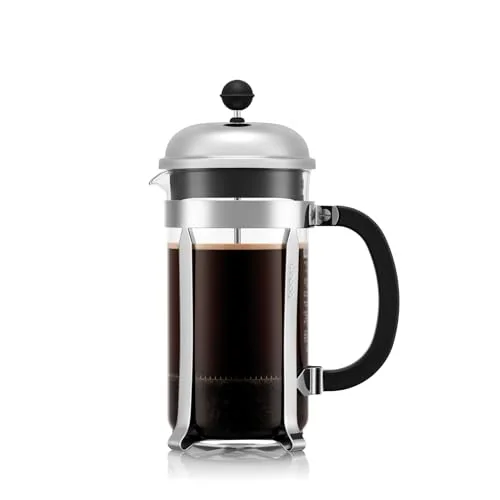
Chambord French Press
The classic French press — rich, full-bodied immersion coffee with no paper and minimal fuss.
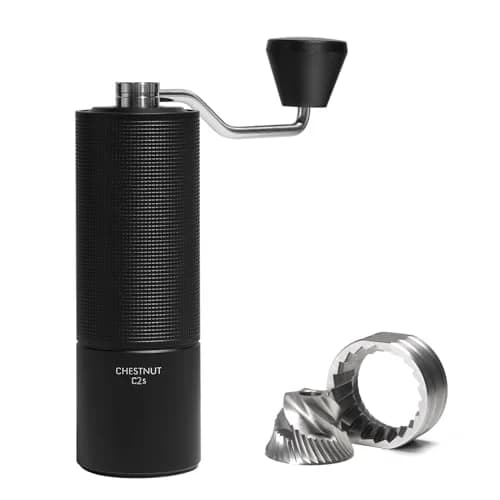
Chestnut C2S
The budget hero — steel burrs and a clean filter grind for the price of a few bags of beans.
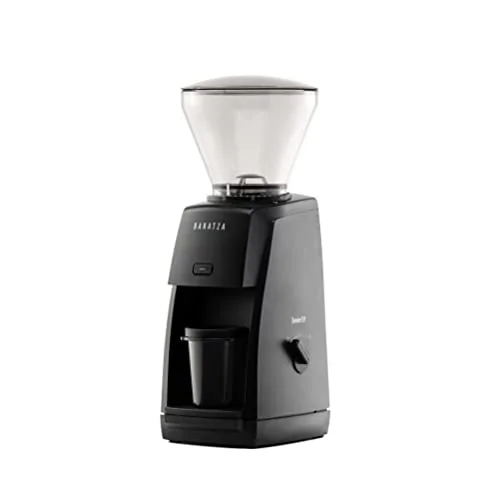
Encore ESP
The grinder most people should buy first — it does espresso and filter, and Baratza will fix it forever.
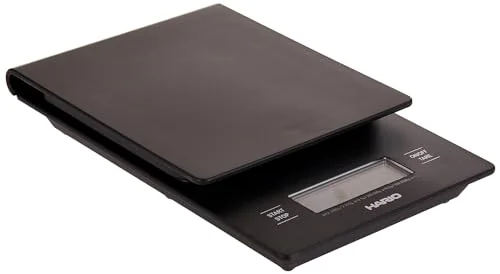
V60 Drip Scale (VST-2000B)
Hario's own pour-over scale — 0.1g resolution, a built-in timer, and a footprint sized for a V60 and carafe.
BrewSift earns a commission on qualifying purchases made through these links, at no extra cost to you. Prices shown were checked on publication and change often.
FAQ
How much coffee do I use in an 8-cup French press?
Bodum's 8-cup Chambord holds 1.0 liter (34 oz). With 850 g of water, a 1:15 ratio calculates to about 57 g of coffee, 1:12 to about 71 g and 1:17 to about 50 g. Stumptown's own 8-cup recipe uses 56 g of coffee to 850 g of water.
What is a cup on a French press?
Bodum says its coffee makers are measured in European cup sizes, with one cup equal to about 4 oz. That makes its Chambord sizes 12 oz for the 3-cup, 17 oz for the 4-cup, 34 oz for the 8-cup and 51 oz for the 12-cup.
How long should French press coffee steep?
Four minutes is the standard in both Bodum's and Stumptown's instructions. It is not a hard limit: Blue Bottle's no-press method steeps for 15 minutes, uses a slightly finer grind, breaks the crust at 4 minutes and pours without plunging.
Why is my French press coffee sludgy?
The metal mesh filter lets fine particles through, and a too-fine or uneven grind makes more of them. Grind coarser and more evenly, check the filter is clean and seated, pour slowly and leave the last bit in the press. If it still bothers you, try a no-press, settle-and-pour method or a paper-filter brewer.
Can I leave coffee in the French press after pressing?
It is better not to. Stumptown advises pouring any coffee you are not serving right away into a carafe to avoid over-extraction and bitterness.
Sources
- Bodum — Chambord French Press, 8 cup, 1.0 l, 34 oz (European cup about 4 oz, other Chambord sizes, brewing instructions)
- Stumptown Coffee Roasters — Brew Guide: French Press (56 g coffee, 850 g water, press at 4 minutes)
- Blue Bottle Coffee — The Blue Bottle No-Press French Press Brewing Guide (1:15, 15 minutes)
- Blue Bottle Coffee — Blue Bottle Explains: Bitterness (grind for strong cups, dose for weak ones)
- Blue Bottle Coffee — Do You Need a Scale to Make Coffee? (scoop density varies)