Coffee from Ethiopia
The birthplace of arabica, and still the most exciting origin in the world. Ethiopian coffee is famously bright, floral, and fruity — think blueberry, jasmine, and citrus — and rewards light roasts and pour-over brewing.
Updated
The cup
Cup profile
Typical roast
Tasting notes
Growing regions
Yirgacheffe
1,700–2,200mThe classic floral, tea-like, citric profile. Within the Gedeo zone.
Guji
1,800–2,300mBerry-forward, especially in naturals — jammy and intense.
Sidama (Sidamo)
1,500–2,200mBalanced brightness with floral and stone-fruit notes.
Harrar
1,500–2,100mDry-processed, wild and winey with blueberry intensity.
How to brew it
This is a bright, expressive origin — pour-over and filter methods show off its acidity and aromatics. Keep the roast on the lighter side.
The context
Coffee is woven into daily life — the traditional coffee ceremony, roasting beans and brewing in a jebena, can take hours and is a cornerstone of hospitality.
Common questions
Which regions produce the most Ethiopian coffee?
Oromia, by far. USDA reports it grows about 59 percent of Ethiopia's coffee, followed by Sidama and South-West Ethiopia at around 13 percent each. Yirgacheffe lies in the Gedeo Zone of the South Ethiopia region.
Who regulates Ethiopian coffee?
The Ethiopian Coffee and Tea Authority (ECTA) regulates quality, marketing and export standards. Since 2021 exporters have been allowed to buy directly from producers instead of going through the Ethiopian Commodity Exchange (ECX).
How important is coffee to Ethiopia?
Very. USDA reports that coffee brings in roughly a third of Ethiopia's export earnings and supports about 15 million people, and its production figures make Ethiopia the largest coffee producer in Africa.
Brew Ethiopia coffee with
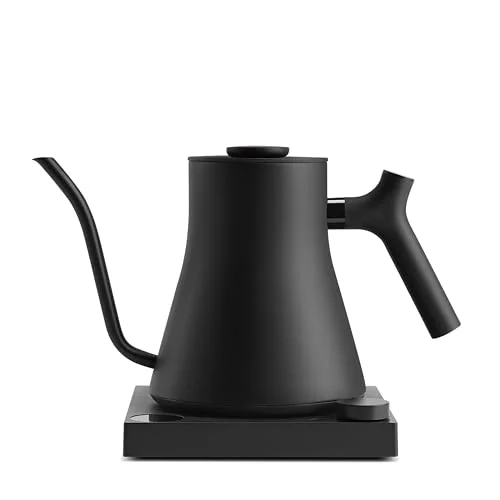
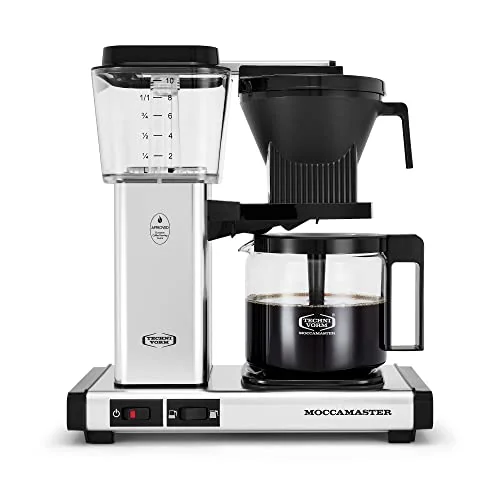
The gear that suits this origin's character. A good grinder helps every cup.

Beans with this profile
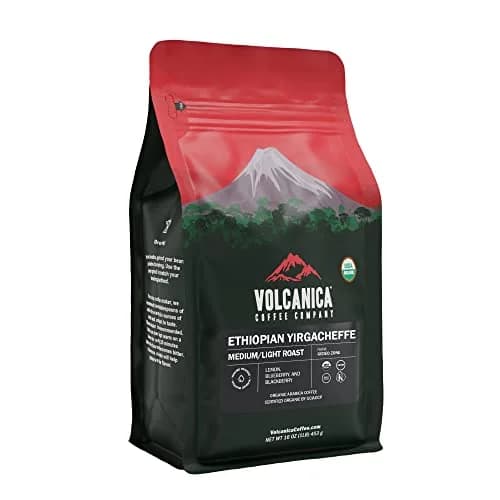
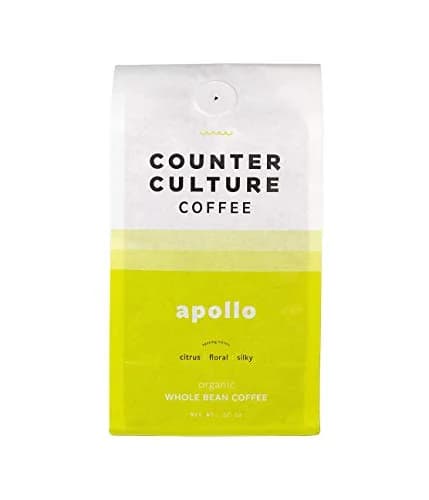
Widely available coffees that lean into Ethiopia's flavor character.